Culture Craze
South Africa’s sleep crisis: New census shows we are tired despite enough hours
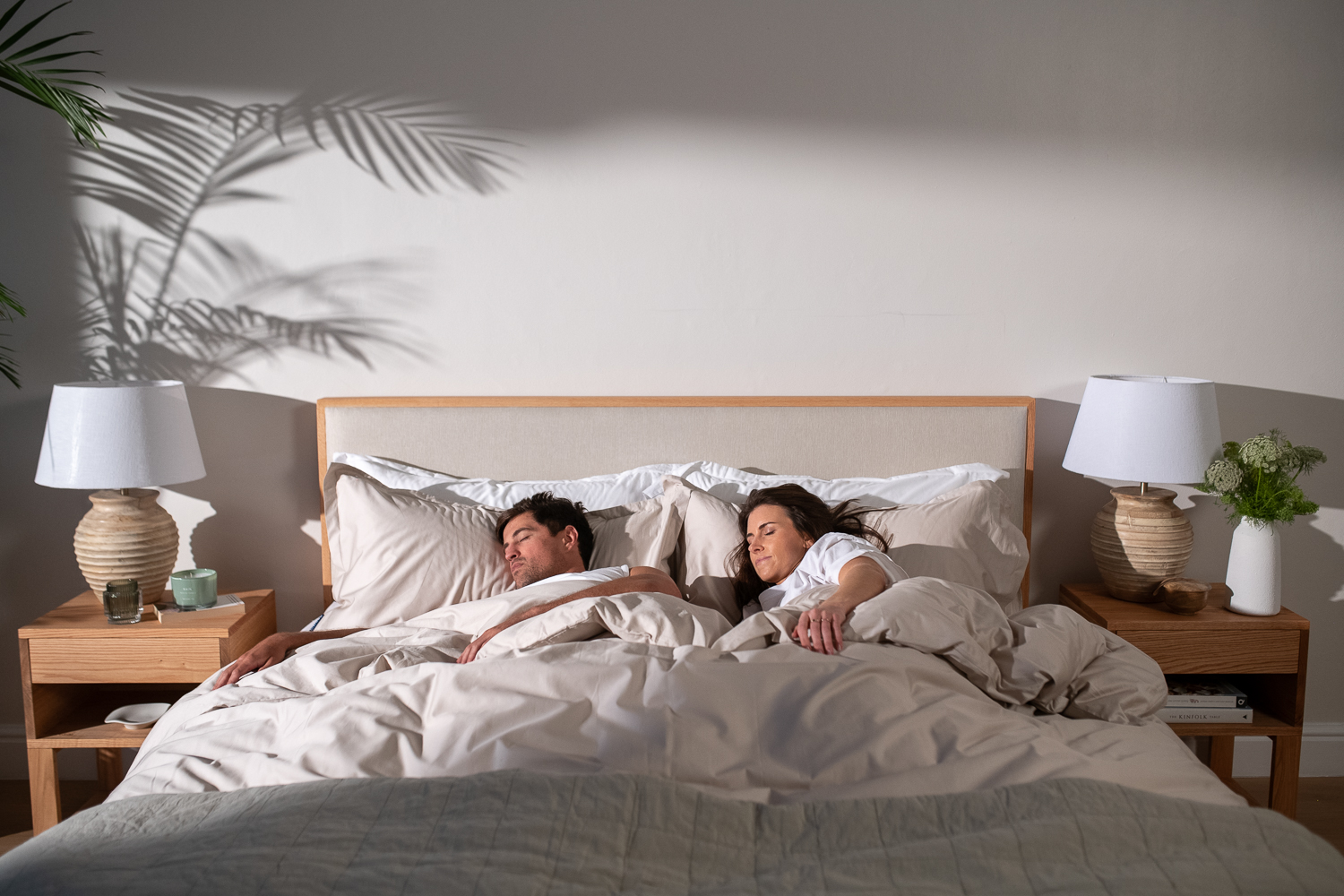
South Africa is sleeping enough hours, but not recovering: The new national sleep census data reveals
(Part of World Sleep Month, 1-31 March 2026; World Sleep Day, 13 March 2026)
As World Sleep Awareness Month begins this March, new national data reveal that South Africans may be sleeping enough hours, but not getting the restorative recovery their bodies and minds need. Findings from the 2025 Sloom National Sleep Census reveal a striking disconnect between sleep duration and sleep quality, a national “sleep paradox” where the hours are there, but the recovery is not.
Sloom’s newly launched South Africa Sleep Quality Score (SSQS), the country’s first composite benchmark designed to measure sleep restoration, places the national average at 54 out of 100. There were 5,602 respondents across all nine provinces.
Key findings from the 2025 Sloom National Sleep Census include:
- SSQS national average: 54/100
- 6% sleep 7 to 9 hours, but only 15.1% wake truly rested
- 1 in 6 wake up feeling exhausted
- 8% cite physical discomfort as their biggest disruptor, and 84.6% say pain affects their sleep
- Mattress Age Penalty: SSQS is 4 points lower for the oldest mattresses (48.1 for 20+ years) compared to the newest (60.5 for less than 1 year).
- 8% say stress keeps them awake at night
- Average SSQS for major hubs: Gauteng (54.7), KwaZulu-Natal (53.4), and Western Cape (53.1)
“While more than half of adults sleep enough hours, only 15% wake up truly rested,” says Rudo Kemp, Founder & CEO of Sloom. According to the Census, 57.6% of South Africans report sleeping within the recommended 7 to 9 hours per night. Yet despite this, only 15.1% say they wake up feeling truly rested.
When asked what was preventing a good night’s sleep, the leading barrier was not technology or external noise, but physical discomfort. More than half of respondents (55.8%) cited discomfort as their biggest sleep disruptor, pointing to widespread issues with pain and inadequate sleep support. In fact, an overwhelming 84.6% of South Africans report that pain affects their sleep, either occasionally or often, suggesting that disrupted rest is closely tied to physical strain and nightly discomfort.
The Census also looked at the factors driving mattress purchase decisions. Comfort was overwhelmingly the top priority, cited by 86.7% of respondents, followed by price at 59.7%, and warranty or trial period at 37.6%. These findings highlight that while cost and guarantees are important, comfort remains the non-negotiable factor, reinforcing the link between mattress quality and restorative sleep.
The results also show a clear relationship between physical support and restorative rest. Sloom found that mattress age is a powerful predictor of sleep quality. Respondents on a mattress less than one year old scored an average SSQS of 60.5 out of 100, while those on a mattress 20 years or older scored just 48.1. This 12.4-point difference quantifies the ‘sleep penalty’ of aged, inadequate sleep support, reinforcing that physical discomfort is not just an inconvenience but a fundamental barrier to recovery.
Stress has also emerged as a major national disruptor of sleep. Nearly 49.8% of respondents say stress keeps them awake at night. The poorest sleep scores were not amongst young adults in South Africa, but rather middle-aged South Africans. The lowest scoring age group was 46–55, averaging 52.4 out of 100, potentially reflecting the impact of stress and career demands during these years. Socio-economic pressure also emerged clearly, with unemployed respondents recording the lowest average sleep score overall at 49.6, reinforcing the link between sleep disruption, stress, and financial insecurity.
Not all findings were negative. The data suggests sleep quality is highly responsive to lifestyle choices and prioritisation. Respondents who actively prioritise sleep score an average of 15.7 points higher than those who do not, while those who exercise regularly score 8.5 points higher, making exercise one of the strongest non-mattress predictors of sleep quality.
To understand sleep health beyond hours slept, Sloom developed the Sleep Score Index, a 0 to 100 measure of restorative sleep built from five weighted pillars: sleep duration, night wakings, morning restedness, mattress comfort, and consistency of routine. With South Africa’s national score sitting at 54 out of 100, the findings point to a country facing widespread challenges with recovery and a growing need to shift the conversation beyond sleep quantity toward sleep quality.
“We developed the Sleep Quality Score to give South Africans a clear snapshot of the sleep challenges we face as a nation,” says Kemp. “My hope is that we can raise awareness and help South Africans make informed, actionable changes to improve the quality of their rest.”
South Africans are encouraged to look beyond the clock and focus on the deeper question: are we truly recovering while we sleep? “This data shows that the issue isn’t just sleep duration, it’s discomfort, disruption, and a lack of true restoration,” says Kemp. “If we can improve even one of those areas, we can begin to shift sleep from something we simply get through, to something that genuinely restores us.”
Follow Joburg ETC on Facebook, Twitter, TikT
For more News in Johannesburg, visit joburgetc.com
Featured Image: Supplied