Culture Craze
When old jokes resurface: Trevor Noah caught in Epstein-era backlash
When satire meets a changed world
It was meant to be a punchline. Instead, it became a flashpoint.
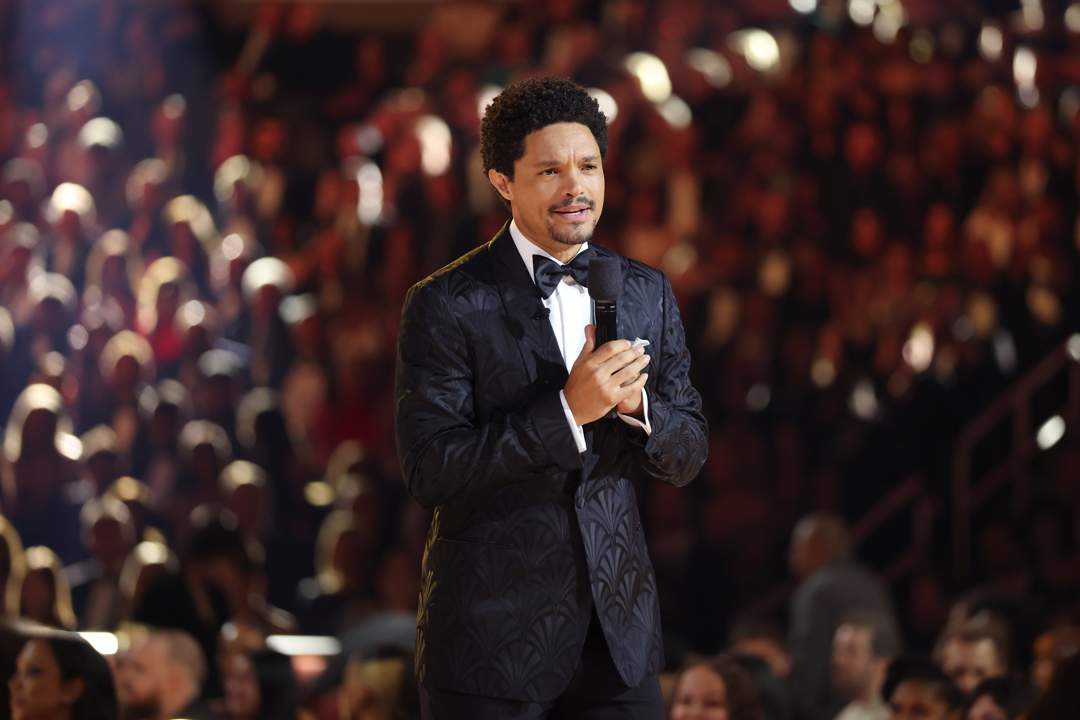
South African comedian Trevor Noah found himself pulled into a very different conversation this week, one shaped by the resurfacing of the Epstein files and a growing public reckoning with power, privilege, and the way celebrities speak about children. The timing could not have been worse. Noah had just wrapped up his sixth and final stint as host of the Grammy Awards, a glossy night that represents the industry at its most polished.
What followed was the internet doing what it does best. Digging. Reposting. Reframing.
A Grammys joke that opened a bigger door
During his monologue, Noah referenced Jeffrey Epstein, remarking on how many powerful figures appear uncomfortable whenever his name comes up. He also made a pointed remark about Donald Trump, which reportedly sparked talk of legal threats.
In isolation, it was classic Noah. Observational, political, and sharpened by irony. But once Epstein’s name re-entered the trending cycle, the mood shifted. X users began pulling up old tweets, and one from 2012 took on a life of its own.
The tweet that would not stay buried
The post in question read, “People who have children should be arrested for tempting child molesters.” Shared without context, it spread fast, accompanied by outrage and accusations that Noah was trivialising abuse or targeting minors.
What got lost in the screenshots was the original intent. The tweet formed part of a satirical thread using the hashtag Swazirules, mocking a controversial law in Swaziland, now eSwatini, that threatened women with arrest for wearing clothing deemed “revealing” because it might tempt men into rape. Noah’s follow-up lines pushed the absurdity further, suggesting that people with nice things should be arrested for provoking robbers.
At the time, the target was victim-blaming. In 2026, with Epstein back in the headlines, many readers were not in the mood for nuance.
This is the guy who hosted the Grammys last night by the way.
Someone check for Trevor Noah in the Epstein Files.
Sick and deranged. pic.twitter.com/ACX3hoiEWr
Jack (@jackunheard) February 3, 2026
Why context is struggling to survive online
Satire has always relied on shared understanding. Strip that away, and it curdles quickly. Another old Noah tweet, joking that some people make such good-looking children they should be commissioned to have more, has also been recirculated. Even supporters admit it lands badly now.
This is not just about one comedian. The Epstein case exposed allegations of trafficking, elite protection, and a culture that allowed predators to operate for years. Against that backdrop, jokes about children, however ironic, are being read through a much darker lens.
This is what Trevor Noah says about children. This is creepy.
Then he has the nerve of accusing others of being pedophiles to million of people on camera. pic.twitter.com/0Q4axd6qVR
Levi 🇨🇩 (@UBGK12) February 3, 2026
Not just Trevor Noah
Noah is not alone in this reckoning. Old posts by Chrissy Teigen have also resurfaced, including tweets intended as commentary on how shows like Toddlers & Tiaras sexualised children. Lines once framed as discomfort and irony are now being interpreted as deeply unsettling.
Teigen has previously apologised for other online behaviour, particularly bullying young stars, describing her past self as horrible and attention-seeking. That history is now being pulled into the same conversation, as the public connects dots between celebrity culture, power, and accountability.
Reminder that Chrissy Teigan said she’d try human meat and tweeted weirdly about pizza and toddlers. She’s back on a TV revival of Star Search. https://t.co/uPhqCmIbUt pic.twitter.com/YcUkjxjry0
Sara James (@saraforamerica) February 1, 2026
A moment that feels bigger than one scandal
There is a reason this backlash feels louder. People are exhausted with deflection and tired of being told to laugh things off. The Epstein files have reignited uncomfortable questions about who gets protected, who gets scrutinised, and why certain behaviour was tolerated for so long.
For South Africans watching Noah, there is also a local layer. He remains one of the country’s most visible global exports, admired for skewering power. Seeing him caught in the same digital dragnet as Hollywood elites is jarring, and it forces a broader conversation about how comedy ages and who gets to decide when a joke is no longer acceptable.
Satire does not exist in a vacuum. Context changes. Audiences change. And the internet never forgets.
Follow Joburg ETC on Facebook, Twitter, TikT
For more News in Johannesburg, visit joburgetc.com
Source: IOL
Featured Image: News24