City Guides
How Joburg commuters are beating rising travel costs in 2026
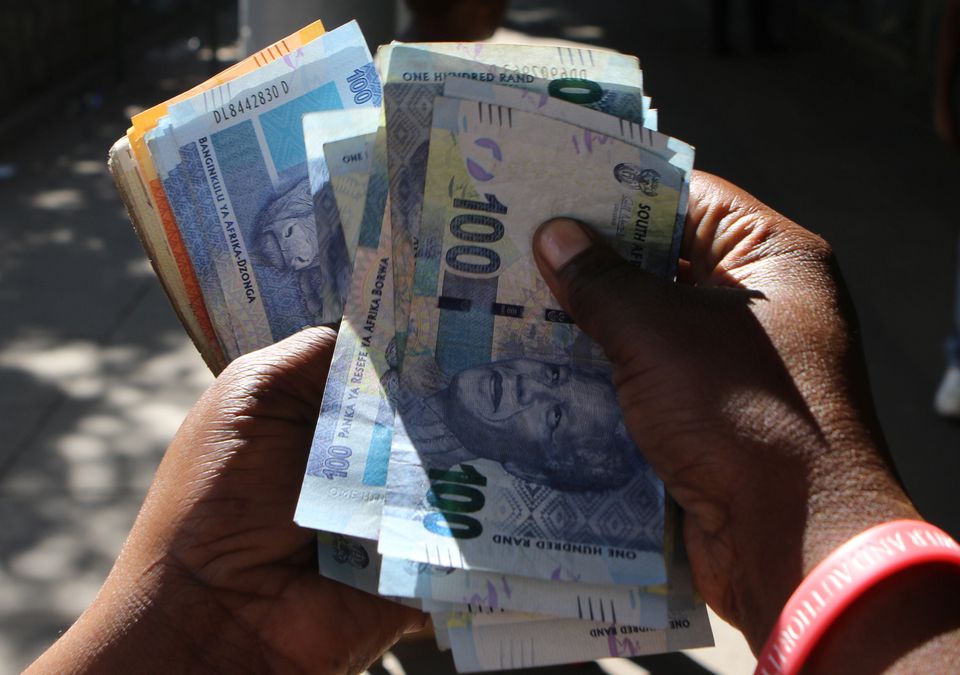
On any weekday morning in Johannesburg, the story is the same. Long queues of cars crawl along the highway while fuel prices quietly chip away at monthly budgets. More commuters are realising that the real money saver is not a new shortcut but a different way of travelling altogether.
Across the city in 2026, many Joburg residents are shifting back to structured public transport systems, not only to dodge traffic but also to stretch their paycheques further.
The return of prepaid travel
One of the biggest changes shaping daily commuting is the move away from cash. Systems like Metrobus and Rea Vaya are pushing prepaid cards and smart tags, which almost always work out cheaper per trip.
For regular Metrobus users, weekly and monthly trip bundles can reduce the cost per journey. Buying trips in bulk can lower fares noticeably, and even occasional commuters benefit from stored value tags that typically offer a small saving compared to paying cash. The tap-in and tap-out system also means passengers are charged based on distance rather than a flat fee, which helps short-distance travellers keep costs down.
There is another practical perk that many riders overlook. If a journey requires two buses, passengers using the correct tag may be able to switch within a limited time window without paying for a second trip. For people travelling across multiple suburbs, that can add up to meaningful monthly savings.
Rea Vaya’s quiet bonus system
The Rea Vaya BRT network has been building loyalty through its bonus value structure. Commuters who load higher amounts onto their cards can receive extra travel value, effectively stretching every rand further.
Travelling outside peak periods can also reduce fares. For pensioners and passengers with disabilities, concession options may include free off-peak trips each month, which is particularly helpful for clinic visits, errands, or social travel during quieter hours.
Dedicated bus lanes remain one of the system’s biggest hidden advantages. Faster trips mean fewer missed connections and less money spent on alternative transport when running late.
Gautrain’s push to become more accessible
For years, the Gautrain carried a reputation as a premium service. That perception is slowly shifting thanks to targeted discount programmes aimed at lower-income commuters.
The KlevaMova product offers qualifying passengers half-price train fares. Eligibility includes households earning below a set annual threshold, students under 25, pensioners, and some grant recipients. The discounted option is available in weekly, monthly, and return trip bundles, making it easier for regular riders to plan their costs.
Park and Ride facilities allow drivers to leave their cars outside the busiest zones and complete the journey by rail, which can help reduce both fuel use and inner-city parking expenses, depending on the station and current tariffs.
The overlooked budget hero: Metrorail
While it rarely trends on social media, Metrorail remains one of the cheapest ways to travel longer distances across Gauteng. Monthly tickets often cost far less than daily single fares, especially for commuters travelling between outer suburbs or between Johannesburg and Pretoria.
Off-peak travel windows can drop prices even further, making midday trips significantly cheaper than rush hour journeys.
Mixing modes is where the real savings happen
The most cost-effective commuters are not relying on a single system. Many combine walking, taxis, buses, and trains to cover the last stretch between home, station, and workplace.
Walking, still the most common secondary transport in Joburg, plays a bigger role than people admit. Even short distances between stops can remove the need for an extra paid trip.
Digital payment options and integrated travel cards are also helping commuters track spending more carefully, which makes it easier to budget month to month.
Why the shift matters for the city
Beyond personal savings, fewer private cars on the road means less congestion and lower maintenance costs for drivers. For a city that loses hours to traffic every week, the financial benefit is matched by time saved.
Public reaction has been mixed but increasingly positive. Many residents who once avoided buses or trains are reconsidering as discount programmes expand and payment systems become simpler. The conversation online has shifted from complaints about cost to practical tips on how to qualify for concessions or bundle trips more efficiently.
A more strategic way to move through Joburg
Commuting in Johannesburg has never been cheap, but 2026 is showing that the biggest savings come from planning rather than sacrifice. Using prepaid systems, travelling off-peak, registering for concession fares, and combining different transport modes can significantly reduce monthly travel spending.
For thousands of commuters, the daily journey is no longer just about getting from A to B. It is about doing it in a way that keeps more money in their pockets at the end of the month.
Also read: Public transport prices in Gauteng for 2026: What commuters really pay
Follow Joburg ETC on Facebook, Twitter, TikT
For more News in Johannesburg, visit joburgetc.com
Featured Image: Inside Politic