Best Suburbs
Johannesburg’s Most Walkable & Community-Driven Suburbs | Best Places to Live
Why Walkability & Community Matter in Johannesburg
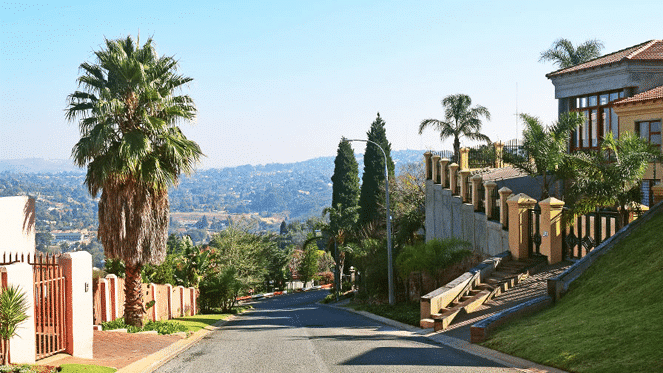
While Johannesburg is often criticised for being car-dependent and challenging for pedestrians in fact ranking low globally for walkability, pockets of the city defy this trend with vibrant, connected neighbourhoods where people can walk to coffee shops, local parks and social hubs. These areas are attractive to residents who value safety, community and daily convenience and that blend of lifestyle and connection is increasingly influencing where people choose to live in 2026.
1. Parkhurst – The Village Street Vibe
Parkhurst consistently ranks among the most walkable and community-driven suburbs in Jozi. Its compact size, active residents’ association and bustling main strip on 4th Avenue make it easy for locals to stroll to cafes, boutiques, brunch spots and parks.
Why it’s loved:
-
Walk-friendly streets with sidewalk cafés and shops.
-
Strong community engagement through local events and associations.
-
Verity Park and local green spaces offer outdoor walking routes.
Lifestyle tip: Parkhurst feels like a small village within the city, making it ideal for daily strolls and neighbourly connections.
2. Melville – Bohemian Energy & Street Life
Melville’s 7th Street is one of Joburg’s most iconic walkable corridors, lined with restaurants, cafes, bars and boutique stores that residents regularly explore on foot.
Highlights:
-
Easy access to daily amenities without hopping in a car.
-
Cafés, art spaces and nightlife create social hubs for residents.
-
Proximity to parks and open green spaces encourages outdoor walks.
Why it works: Melville blends a boho vibe with genuine community life, making it appealing to creatives, professionals and long-term locals alike.
3. Rosebank – Urban Living with a Walkable Edge
Although part of a major commercial node, Rosebank has invested heavily in improving its streetscape to be more pedestrian-friendly with projects focused on safer sidewalks, plazas and community spaces.
Good to know:
-
Sit-down cafes, outdoor dining and plazas encourage foot traffic.
-
Ongoing mobility improvements aim to make streets more pleasant and safe.
-
A vibrant art and culture scene keeps the area active outside office hours.
Lifestyle appeal: Rosebank’s walkable precincts especially around pedestrianised Bath Avenue and nearby plazas, make it ideal for urbanites who prefer living close to what they love.
4. Norwood – Café Culture and Comfortable Strolls
Featured by travel guides as one of Joburg’s more walkable neighbourhoods, Norwood brings a European village feel with tree-lined streets, eateries and character spots where residents often walk to meet friends or grab a coffee.
Why it’s appealing:
-
A compact main strip with restaurants, cafes and bars.
-
Walkable access to local heritage sites and boutique experiences.
-
Community energy that encourages daily social life.
Tip: Norwood’s smaller neighbourhood feel gives it strong walk-and-connect appeal compared to larger car-focused suburbs.
5. Maboneng Precinct – Culture on Foot
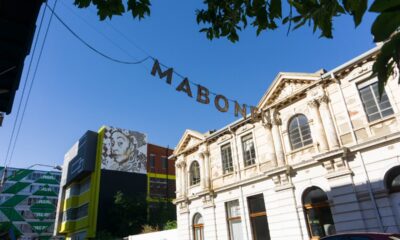
While technically more of an urban precinct than a traditional suburb, Maboneng is one of Johannesburg’s most pedestrian-friendly and community-oriented areas known for its arts, galleries, creative markets, and social spaces all easily explored by foot.
Perks:
-
Compact, engaging streets with shops, art installations and eateries.
-
A tight-knit community of creatives and local business owners.
-
Frequent cultural events and Sunday markets.
Why it’s different: Maboneng’s walkability is tied to its vibrant culture and creative identity perfect for those seeking a unique urban lifestyle.
Key Features of Walkable, Community-Driven Suburbs
Local Amenities Close By Cafés, shops and parks within walking distance increase daily convenience.
Public Spaces with Character Green spaces, plazas and regular community events encourage outdoor life.
Safety & Connectivity While Johannesburg generally scores low on walkability citywide, these neighbourhoods mitigate that by prioritising pedestrian safety and human-scaled design.
Community Engagement Active neighbourhood associations, weekend events and regular gatherings strengthen local bonds and make walking feel comfortable and social.
Johannesburg may face challenges as one of the more car-dependent cities globally, but pockets of the city stand out for their walkable streets and strong community feel. From Parkhurst’s village vibe to Melville’s cultural corridors, Rosebank’s urban evolution, Norwood’s café culture and Maboneng’s creative buzz, these suburbs prove that connected, walkable living is possible in Jozi.
Follow Joburg ETC on Facebook, Twitter , TikTok and Instagram
For more News in Johannesburg, visit joburgetc.com