Transport & Traffic
Johannesburg’s worst traffic hotspots in 2026 and how locals avoid them
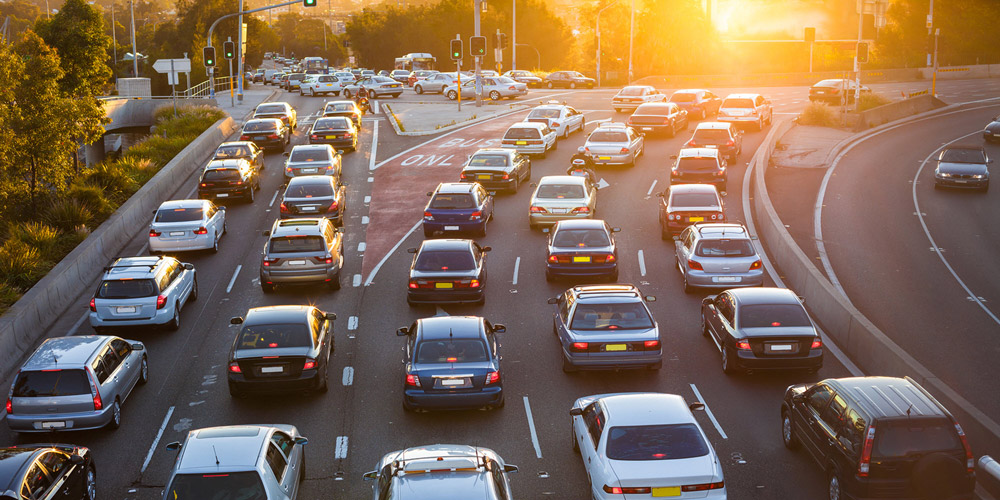
Johannesburg drivers have always joked that traffic is a personality trait of the city. In 2026, that joke is wearing thin. Early-year data shows congestion is climbing again, with evening rush hour regularly pushing past what most drivers would consider manageable. If you have found yourself sitting on the M1 wondering why a 10-kilometre drive feels like a road trip, you are not imagining it.
At its worst, traffic at 5 pm is now hitting 110 percent congestion levels. In real terms, that means a short drive can stretch close to 20 minutes, even before an accident or roadworks enter the picture. The citywide congestion rate is sitting around 38 percent, slightly higher than in 2024, but enough to be felt daily by commuters.
The highways Joburg drivers dread most
The N1, M1, and N3 continue to carry the heaviest load. These routes connect major residential areas to economic hubs, so congestion is baked into their design. The M1 is particularly punishing, with northbound traffic clogging up in the mornings and southbound lanes slowing to a crawl in the afternoons as people head home.
The N1 between Midrand interchanges has become a regular pain point, especially near Buccleuch and Allandale, where construction and high volumes collide. The N3 is not far behind, particularly for drivers moving between the East Rand and the inner city.
Business hubs that bring traffic to a standstill
Sandton and Rosebank remain at the heart of Joburg’s congestion story. These areas attract thousands of workers daily, many of whom still rely on private vehicles. Roads like Rivonia Road, Grayston Drive, and Oxford Road are under constant pressure during peak hours.
Fourways and Midrand are also featuring more frequently in traffic complaints, especially where residential growth has outpaced road upgrades. In the inner city, Braamfontein and the Johannesburg CBD continue to struggle with congestion tied to both commuter traffic and delivery vehicles.
When traffic is at its absolute worst
Peak hours are stubbornly predictable. Weekday mornings between 6 am and 9 am and afternoons from 3 pm to 6 pm remain the danger zones. Fridays are often worse, and late November consistently stands out as the busiest time of the year, with the days leading up to month end and holidays creating a perfect storm on the roads.
Average rush hour speeds have dropped to just over 26 kilometres per hour. That is slower than many people cycle, and it explains why tempers flare and podcasts get finished far sooner than planned.
How Joburg drivers are beating the gridlock
Despite the frustration, locals are adapting. Navigation apps like Waze and Google Maps have become essential tools rather than optional extras. Drivers are checking routes before leaving home and rerouting mid-journey to dodge accidents, construction zones, or sudden bottlenecks.
Flexible working hours are also making a noticeable difference for those who can manage it. Leaving even 30 minutes earlier or later can shave significant time off a commute. Work-from-home arrangements, where possible, remain one of the most effective traffic avoidance strategies.
Public transport is gaining renewed appreciation, particularly the Gautrain. For commuters moving between Sandton, Rosebank, Midrand, and Pretoria, it offers a rare promise in Joburg traffic. Predictable travel times. Many locals now plan their weeks around train schedules rather than freeway conditions.
Social media has also become an informal traffic command centre. Accounts like TrafficSA on X and local radio updates are still heavily relied on, especially when crashes or protests disrupt major routes.
A city learning to move differently
Johannesburg’s traffic problem is not new, but 2026 is forcing a shift in how people think about mobility. With congestion levels rising and speeds dropping, planning is no longer optional. It is survival.
For now, the smartest drivers are not the fastest ones. They are the ones who know when to leave, which route to avoid, and when to abandon the car altogether. In a city built on movement, adapting to traffic may be the most Joburg skill of all.
Follow Joburg ETC on Facebook, Twitter, TikT
For more News in Johannesburg, visit joburgetc.com
Featured Image: Motorcycle Safety Institute