Motoring
The R100k Boundary: Where Smart Bakkie Buying Gets Real
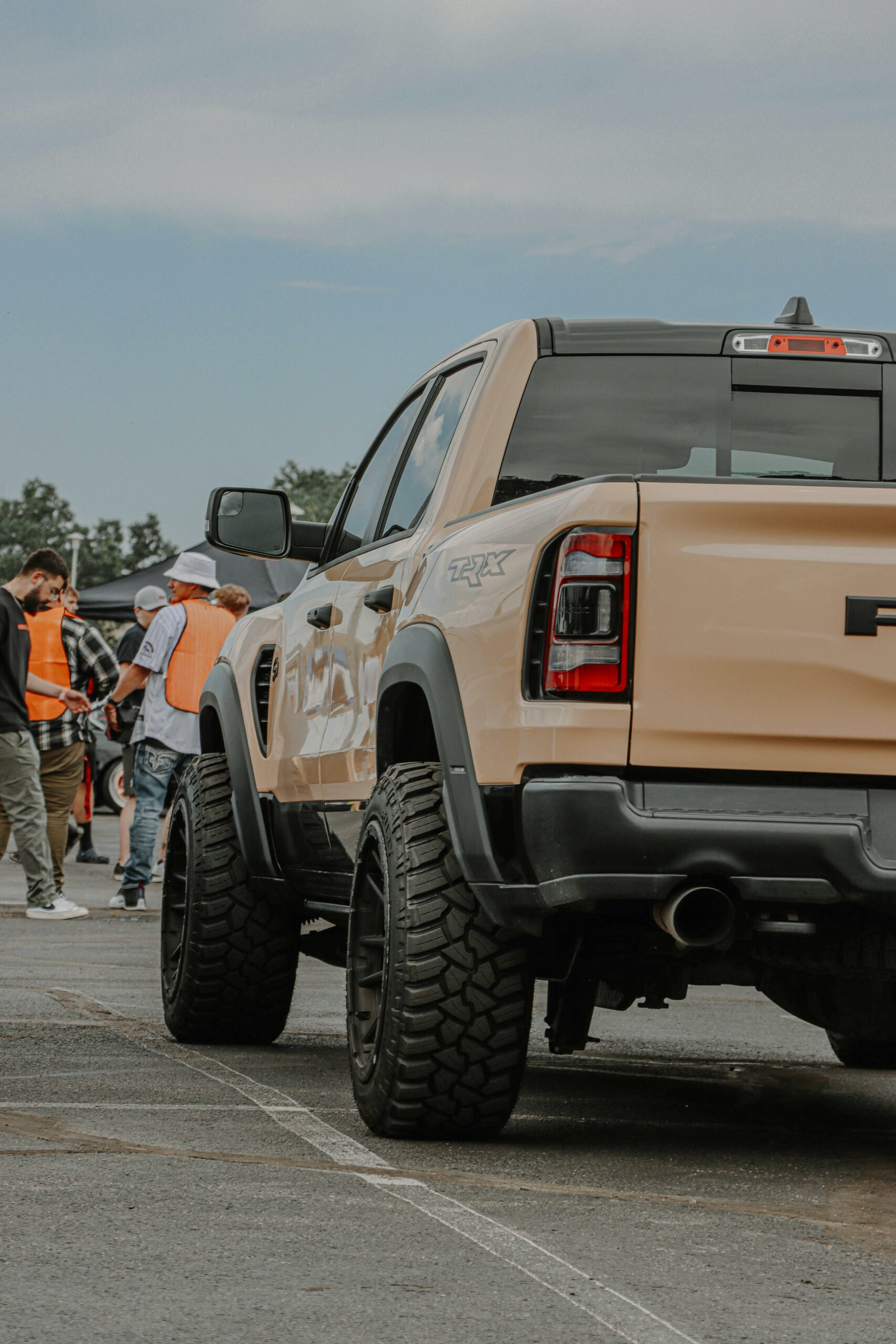
There’s a line in the sand at R100,000. Cross it with a bakkie purchase, and the rules of the game change. This isn’t the market of desperate bargains or cosy family wagons. It’s the precise point where expectation meets engineering reality. Your budget gets you a vehicle that’s been through a few corporate fleet cycles or has seen a decade on a farm. The romance of ownership fades here, replaced by a simple, critical question: has this machine been maintained, or merely used?
For this money, you’re choosing between character and chronology. Do you want the older, iconic model with a famous name and higher mileage, or the newer, more anonymous vehicle that hasn’t yet lived a full life? It’s a choice between history and horizon.
The Two Camps: Proven Legends vs. Modern Contenders
In one camp stand the revered names. A Toyota Hilux from the mid-2000s will comfortably fit your budget. You buy the aura, the peerless resale value, and the certainty that any mechanic from Tzaneen to Tulbagh knows its every bolt. But you accept the years. You’ll be checking for tired interiors, aging electronics, and the tell-tale sighs of a suspension that’s felt every South African pothole.
In the other camp are vehicles like the Nissan NP300 Hardbody. For R100k, you can find a model several years younger. It feels more modern, with better crash safety and fresher cabin materials. What it lacks in cultural status it makes up for in practical, present-day usability. It’s the rational, less-emotional pick.
The Diesel Conundrum: A Warning in Disguise
This is the single most important piece of advice for a R100k bakkie: be deeply suspicious of diesel. At this price and typical mileage, a diesel engine is a financial liability dressed as an asset. The initial fuel savings are a mirage, quickly erased by the looming threat of injector, turbo, or fuel pump failure. A repair bill can easily hit R40,000almost half the value of the vehicle itself.
A petrol model, while thirstier, offers predictable running costs and far simpler, cheaper repairs. It’s the safer harbour for your capital. Choose diesel only if you have documented, meticulous service records and you absolutely need its long-range towing capacity.
Buying at this threshold is an exercise in clear-eyed pragmatism. Ignore the shiny detailing and look for the paperwork. A stack of service invoices is more valuable than a new coat of sealant on the load bed. You’re not investing in a dream; you’re acquiring a functional asset. Make sure the math of its past adds up to a reliable future.
Follow Carmag on Instagram and Facebook
Click here to browse a selection New and Used Cars for Sale