Entertainment
Single Cab Workhorse or Family-Friendly Double Cab?
Standing with R150,000 in your pocket for a bakkie puts you at a crossroads. One path leads to a nearly-new, capable single-cab workhorsea pure tool for business. The other leads to an older, more comfortable double-caba vehicle trying to be both a family car and a utility vehicle. Your choice here isn’t just about preference; it’s about admitting what you really need this vehicle to do, day in and day out.
This budget is the frontier where commercial meets personal. It’s enough money to demand reliability, but not enough to avoid making serious compromises.
Path 1: The Newer Single Cab (The Pure Tool)
For R150,000, you can find a Nissan NP300 Hardbody or Toyota Hilux single cab that’s only 5-8 years old with reasonable mileage. This is the rational business choice.
-
Pros: It’s likely under 200,000km, has modern safety features, and feels tight and rattle-free. It’s a dedicated asset for your trade.
-
Cons: It’s a single cab. If you have even one passenger regularly, this won’t work. The ride is firm and the interior is basic.
-
Best for: Tradespeople, farmers, and businesses where the bakkie is a tool first, and transport second.
Path 2: The Older Double Cab (The Compromise)
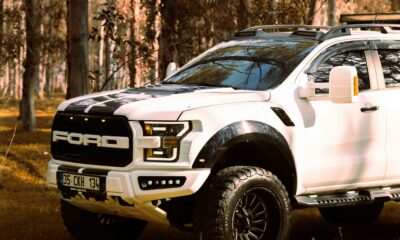
The same money buys a Ford Ranger or Toyota Hilux double cab from around 2010-2012, often with 200,000km or more.
-
Pros: Five seats. A more comfortable, car-like interior. It fulfills the dual role of family transport and weekend project hauler.
-
Cons: Higher mileage means it’s closer to major (and expensive) wear items: clutch, turbo (if diesel), suspension components. It’s a more complex vehicle that’s been used as a car, which can mean a harder life.
-
Best for: The small business owner who is also the school-run dad, or the family that needs one vehicle to do everything.
The Universal R150k Bakkie Checklist
Whichever path you choose, these checks are critical:
-
Service History is Everything: At this age and budget, a full service book is non-negotiable. It’s your only insight into how the vehicle was treated.
-
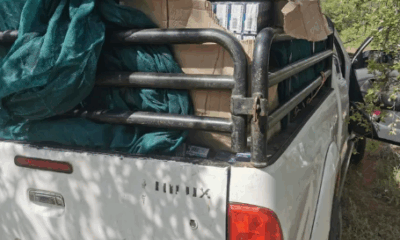
Load Bed Inspection: For single cabs, jump in the back to check for floor flex. For double cabs, check the condition of the load liner and tailgate. Damage hints at careless use.
-
The Diesel vs. Petrol Calculation: A R150k diesel with 250,000km is a huge risk unless it has impeccable history. A petrol model will be thirstier but far cheaper and simpler to repair when things go wrong. For most, petrol is the safer financial bet.
R150,000 is a serious investment in a bakkie. Don’t let the dream of a double cab push you into a high-mileage liability if all you truly need is a reliable single cab to do a job. Be honest about your daily reality. The right choice isn’t the one that promises the most, but the one that most reliably delivers what you actually need.
Follow Carmag on Instagram and Facebook
Click here to browse a selection New and Used Cars for Sale