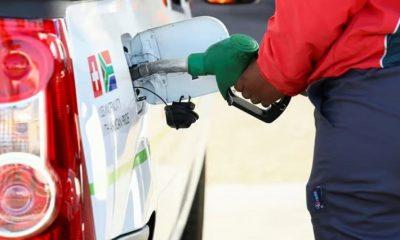
The numbers are enough to make any motorist wince. Petrol is expected to rise by between R3.80 and R4.50 per litre in April 2026. Diesel users face an even steeper hit, with projected hikes of R7 to R8 per litre. Oil prices are currently sitting beyond $100 per barrel, and the Middle East conflict shows no signs of easing.
For South African motorists, this means one thing: the cost of every kilometre is about to skyrocket. Suddenly, the dual-energy benefits of petrol-electric hybrids have moved from interesting to essential.
Whether self-charging or plug-in, hybrids offer a way to stretch every drop of fuel. We’ve tested, evaluated, and ranked the five most economical petrol-electric hybrids on sale in South Africa right now. If you’re looking to beat the pump, these are the cars to consider.
1. Honda Fit Hybrid R544,900
*Claimed: 3.7 l/100 km | Tested: 3.3 l/100 km*
The Honda Fit Hybrid is our favourite, and for good reason. It’s not just economical on paper; it delivers in the real world. Honda’s claimed combined fuel consumption of 3.7 litres per 100 kilometres is impressive enough. But we beat that easily, achieving just 3.3 l/100 km in testing.
That’s hybrid efficiency at its finest. The Fit proves that you don’t need to spend a fortune to save at the pump. It’s also one of the more affordable hybrids on the market, which matters because paying a massive premium for fuel-saving technology defeats the purpose. The Fit strikes the perfect balance: affordable to buy, cheap to run.
2. Chery Tiggo Cross CSH Comfort R439,900
*Claimed: 5.4 l/100 km*
If you want the most affordable hybrid in South Africa, this is it. The Tiggo Cross CSH Comfort retails for under R440,000, making it accessible to buyers who might otherwise be priced out of hybrid technology.
The claimed consumption of 5.4 l/100 km won’t break any records, but it’s still good enough for theoretical single-tank cruising of 1,000 kilometres. Chery is on a charge in South Africa, with petrol-electric hybrids available across almost its entire range. The Tiggo Cross represents the entry pointa promise of efficiency that we’re eager to evaluate properly.
3. BYD Sealion 5 PHEV Comfort R499,900
*Claimed: 2.0 l/100 km (when fully charged)*
Build Your Dreams. That’s what BYD stands for, and the brand is certainly ambitious. The Sealion 5 PHEV claims a remarkable 2.0 litres per 100 kilometres when fully chargednumbers that seem almost too good to be true.
Like many Chinese hybrids, it pairs a 1.5-litre turbo-petrol engine with a front electric motor, producing a combined 156 kW. We haven’t ranked it higher because we’re still to evaluate its real-world economy. But the potential is staggering. If you charge it regularly, running costs could be remarkably low. At under R500,000, it’s a compelling proposition.
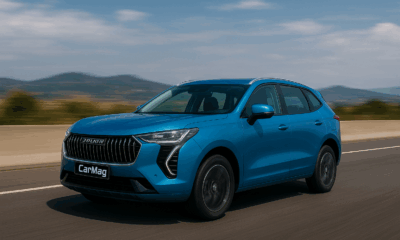
4. Haval Jolion Pro HEV Ultra Luxury R516,250
*Claimed: 5.0 l/100 km*
The Jolion Pro HEV takes a different approach. It’s positioned as one of the performance hybrids, combining a 1.5-litre turbo petrol engine with an electric motor and battery pack to deliver a punchy 140 kW and 375 Nm of torque.
The claimed combined consumption of 5.0 l/100 km is impressive for a vehicle with this much power. When we last drove one in 2024, it wasn’t quite as economical as claimedbut it was still mighty impressive. If you want hybrid efficiency without sacrificing driving pleasure, this is a strong contender.
5. Suzuki Grand Vitara Hybrid R542,900
*Claimed: 5.6 l/100 km*
Rounding out our top five is the new Suzuki Grand Vitara 1.5 Hybrid GLX AllGrip. This one isn’t all about economy. Its mild hybrid system is designed to enable AWD capability, adding versatility to efficiency.
Nevertheless, no matter how you drive it, it will reward you with around 5.6 litres per 100 kilometres. That’s impressive for a full-size family SUV. The combination of all-wheel drive, hybrid efficiency, and Suzuki reliability makes it a compelling package. We’re reviewing one again soon and will report back on how it fares in light of these crazy fuel hikes.
The Looming Question
April 2026’s price shock is not speculation. It’s coming. Oil prices are high, the conflict in the Middle East continues, and the basic economics of supply and demand point in one direction: up.
The question is whether this is a lone bump in the road or a sign that high fuel prices are here to stay. If it’s the latter, hybrids move from nice-to-have to must-have. The savings at the pump accumulate quickly when every litre costs R4.50 more than it did.
The Hybrid Advantage
Petrol-electric hybrids offer a bridge between conventional internal combustion and full electric vehicles. They don’t require charging infrastructure (though plug-ins benefit from it). They don’t suffer from range anxiety. They simply use less fuelsometimes dramatically less.
The five vehicles on this list represent the best of what’s available in South Africa right now. From the miserly Honda Fit to the capable Suzuki Grand Vitara, each offers a path to lower fuel bills.
Your Turn
What do you think? Is April’s looming price shock just a temporary spike, or are these high fuel prices here to stay? Will you consider a hybrid for your next purchase? Share your thoughts in the comments below.
For now, the message is clear: fuel is about to get much more expensive, and hybrids offer a way to fight back. The technology is here, the cars are available, and the savings are real. The only question is whether you’re ready to make the switch.