News
From nuclear ambitions to digital IDs: What stood out in the 2026 SONA debate
From nuclear ambitions to digital IDs: What stood out in the 2026 SONA debate
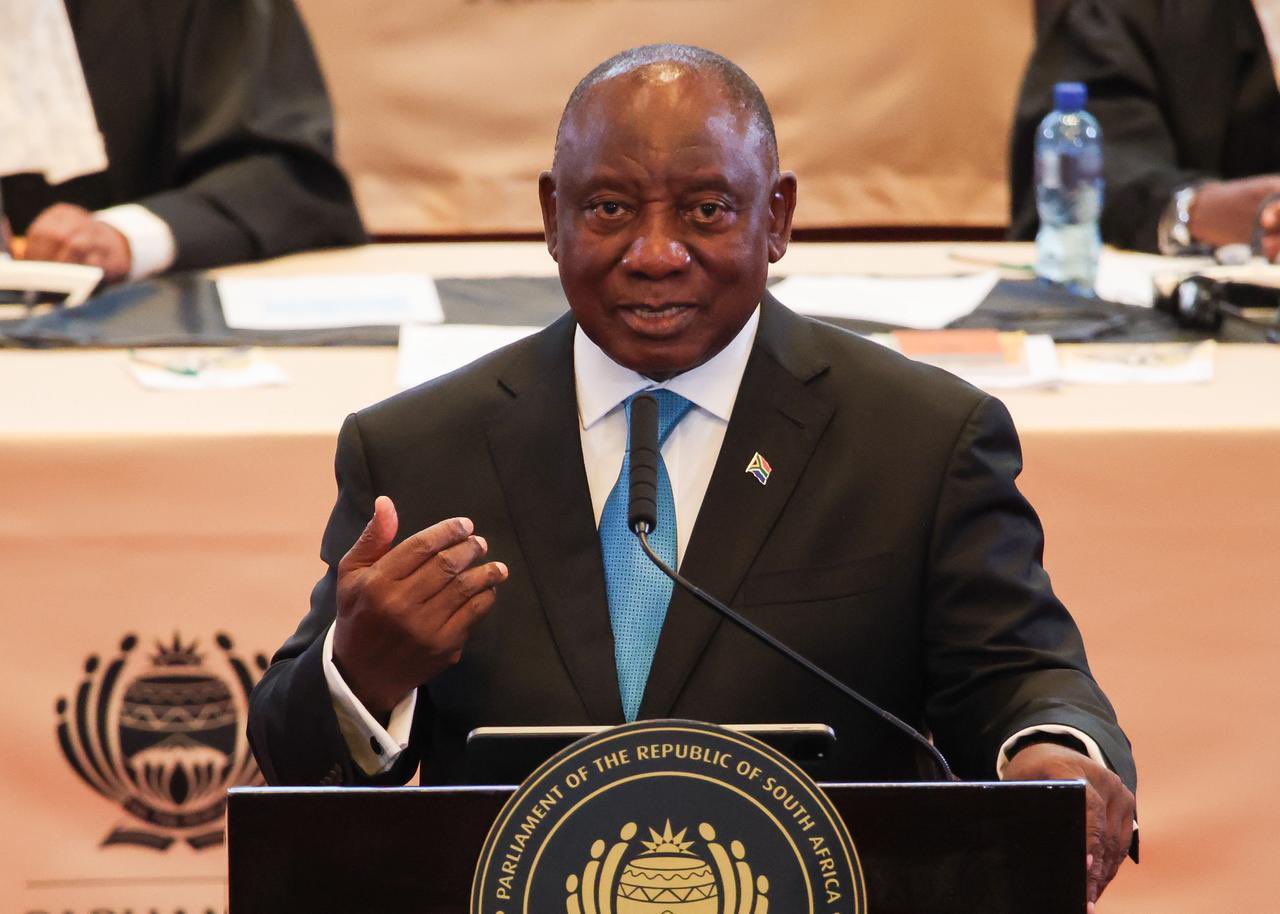
If you tuned into Parliament this week, you didn’t just hear policy, you heard politics at full volume.
The two-day debate following President Cyril Ramaphosa’s 2026 State of the Nation Address wrapped up late on Wednesday night, with MPs trading barbs across the aisle and microphones occasionally carrying more jeers than substance.
But beneath the noise, several ministers used their time to highlight what they believe were real wins in 2025 and to lay down bold promises for 2026.
Energy, education and home affairs took centre stage.
A nuclear revival in the making?
Deputy Minister for Electricity and Energy Samantha Graham-Mare painted a confident picture of South Africa’s energy outlook.
She celebrated improved energy security and pointed to growth in the country’s nuclear capacity. According to her, key institutions including the National Nuclear Regulator, the Nuclear Energy Corporation of South Africa and the National Radioactive Waste Disposal Institute have begun turning a profit.
Perhaps the headline figure: Necsa secured R1.2 billion from National Treasury for a new multipurpose nuclear reactor. The project is aimed at expanding isotope production used in radiopharmaceuticals a niche where South Africa already has global standing.
Graham-Mare described the nuclear sector as a “strategic national asset”, arguing it supports not just electricity supply, but advanced science, healthcare and industrial skills.
For a country that has spent years battling load shedding, the tone was notably upbeat. On social media, however, reaction was split. Some welcomed the long-term investment. Others questioned whether nuclear expansion is affordable in a tight fiscal climate.
“You ain’t seen nothing yet” at Home Affairs
If there was a moment designed for headlines, it came from Home Affairs Minister Leon Schreiber.
Pointing to a 66% reduction in smart ID waiting times, he told Parliament: “You ain’t seen nothing yet.”
His department’s flagship reform for 2026 is the rollout of a digital ID system. Core biometric technology is already live for the citizenship portal, and the next step is building a user-friendly front-end interface.
The system will rely on biometric data, including facial recognition, to enable remote identity verification. Schreiber argued this would not only simplify services for citizens, but also strengthen immigration enforcement and tax collection.
The Border Management Authority, working with the South African Revenue Service, is expanding facial recognition cameras to international airports and major land ports.
For many South Africans who’ve spent hours in Home Affairs queues, the promise of a streamlined digital future sounds appealing. But privacy advocates online are already raising concerns about data protection and oversight.
Early learning gets a boost
Education Minister Siviwe Gwarube focused on early childhood development (ECD), describing 2025 as a year of expansion.
The department had aimed to register 10,000 new ECD centres and exceeded that target by 3,000. According to Gwarube, this means more than 1.3 million children now have access to structured early learning, nutrition and safe environments.
For 2026, the plan is to allocate R500 million to create ECD placements for 100,000 children in rural areas.
In a country where inequality often begins in the earliest years, the emphasis on foundational learning struck a chord. Education analysts have long argued that investment before Grade 1 delivers the highest long-term returns.
Gwarube framed it as nation-building: get reading, writing and counting right, and economic growth follows.
The Presidency pushes back
Not everyone was impressed.
Opposition MPs accused the administration of overstating achievements. In response, Minister in the Presidency Khumbudzo Ntshavheni defended the government’s record.
She pointed to a half-percentage-point drop in unemployment, a budget surplus aimed at reducing debt, progress on illegal immigration, a water crisis plan and the implementation of 57% of the Zondo Commission action plan.
When critics mocked repeated references to a future high-speed rail project, Ntshavheni dismissed the jabs, reminding lawmakers of the separation of powers between the executive and legislature.
Big promises, bigger expectations
The 2026 SONA debate reflected a government eager to show momentum under the Government of National Unity banner.
Energy security, digital governance and early education are politically safe ground, areas where visible progress can translate into public confidence.
Still, South Africans have heard ambitious plans before.
The real test won’t be in parliamentary applause or viral soundbites. It will be in shorter queues, stable electricity, functioning rail, safer borders and classrooms where children are actually learning.
For now, the debate has ended. The promises are on record.
The country will be watching what happens next.
{Source: The Citizen}
Follow Joburg ETC on Facebook, Twitter , TikTok and Instagram
For more News in Johannesburg, visit joburgetc.com