News
A Birth That Should Never Have Happened This Way: Court Holds Limpopo Health Fully Accountable

A mother went to Donald Fraser Hospital in May 2018 to bring a new life into the world. She left with her body broken, her child permanently disabled, and a fight for justice that would take years to resolve. This week, the Limpopo High Court in Polokwane delivered a verdict that confirms what she has known since that day: this should never have happened.
Acting Judge Burnett ruled that the MEC for Health in Limpopo is responsible for 100% of the damages suffered by both the mother and her son following a botched delivery that went wrong in almost every conceivable way. The judgment is a stark indictment of the care provided at Donald Fraser Hospital and a reminder of the devastating consequences when basic medical standards are not met.
The Warning Signs That Were Ignored
The mother had done everything right. She attended antenatal care at Tshidimbeni and Tshaulu clinics. She followed the appointments, submitted to the tests, trusted the system that was supposed to protect her and her baby. That system failed her.
Medical records showed she was a high-risk patient. She had gestational diabetes, a condition that requires careful monitoring during pregnancy and delivery. There were clear indications that her baby was unusually large. Any competent assessment would have flagged these risks and prompted a plan for a safe delivery.
Instead, hospital staff failed to properly assess her condition. Critical information went unrecorded. Risk factors went unrecognized. Despite her high-risk status, care was not escalated to a doctor. The system designed to catch these warnings simply didn’t function.
The Delivery: A Cascade of Failures
Her baby weighed over 5 kilograms at birthmore than a kilogram above average. Despite this, he was delivered vaginally in what the court described as a “difficult” and poorly managed labour.
The delivery was complicated by shoulder dystocia, a dangerous condition where the baby’s shoulders become stuck during birth. It’s an obstetric emergency that requires skilled, immediate intervention. When handled properly, most babies can be delivered safely. When handled poorly, the consequences can be catastrophic.
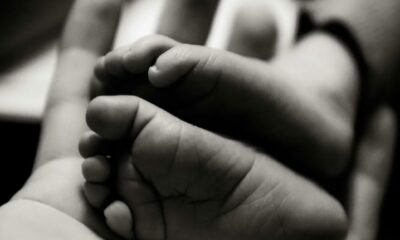
For this child, the result was Erb’s palsy, a form of nerve injury that causes long-term impairment in the arm and shoulder. He will carry the mark of that night for the rest of his life.
His mother’s injuries were even more severe. She suffered a fourth-degree perineal tearthe most serious form of tearing, extending through the anal sphincter and into the rectal mucosa. Her pelvis was fractured. She sustained internal injuries that would take years to fully understand.
The Aftermath: Inhuman Treatment
What happened after the delivery may be even more damning than what happened during it. Evidence before the court revealed that her condition was initially misdiagnosed and improperly treated. For weeks, she endured pain and complications, including incontinence and a recto-vaginal fistulaan opening between her vagina and rectum that allowed waste to pass where it shouldn’t.
She was left immobilised and untreated for serious injuries for an extended period. Expert testimony described aspects of her post-delivery care as “inhumane.” The word is not used lightly in court documents.
She finally received corrective surgery at Polokwane Hospital, but only after suffering through weeks of unnecessary pain and complications. The damage to her body and her trust in the healthcare system had already been done.
The Expert Evidence
Medical experts who testified on the woman’s behalf were unequivocal. Proper monitoring and assessment during pregnancy and labour would have identified the risks posed by the baby’s size. A caesarean section should have been performed. That procedure would likely have prevented both the mother’s and child’s injuries.
The court heard that hospital staff failed on multiple fronts: not recording critical medical information, not recognising clear risk factors, not escalating care despite clear indications that this pregnancy required specialist attention. Each failure alone might be explained away. Together, they formed an undeniable pattern of negligence.
The Judgment
Judge Burnett concluded that the medical care provided was substandard and that there was a direct causal link between the negligence of healthcare workers and the injuries suffered. The language was unambiguous.
“The defendant is liable for 100% of the proven or agreed damages,” the court ordered, confirming that the state will bear full responsibility for the consequences of the negligent treatment.
The judgment settles liability, but the amount of compensation to be awarded to the mother and her child will be determined at a later stage. That process will quantify, in monetary terms, the cost of a lifetime of disability, of pain and suffering, of medical expenses that should never have been necessary.
The Broader Context
Donald Fraser Hospital is one of many public health facilities in Limpopo serving a largely rural population. Like hospitals across the province, it faces challenges of staffing, resources, and oversight. But this case highlights failures that go beyond resource constraints. Basic protocols were ignored. Clear warning signs were missed. A high-risk patient was treated as routine until it was too late.
The judgment sends a clear message to the provincial health department: negligence has consequences, and those consequences will be measured in compensation as well as in human suffering.
For the mother, no amount of money can undo what happened. Her body has been permanently altered. Her child faces a lifetime of challenges. The trust she placed in the healthcare system has been shattered.
But the judgment offers something she has fought for since 2018: acknowledgment. A court has now confirmed that what happened to her was wrong, that it should not have happened, and that those responsible must bear the cost.
What Comes Next
The case now moves to a determination of damages. Medical experts will quantify the cost of future care for the child with Erb’s palsy. Actuaries will calculate the loss of earning capacity. Lawyers will argue over the appropriate compensation for pain, suffering, and loss of enjoyment of life.
These are cold calculations for a profoundly human tragedy. But they are the only mechanism the law provides to make amends for failures that can never be fully undone.
For the Limpopo Department of Health, the judgment is a significant liability. It also serves as a warning. Across the province, in every hospital and clinic, similar risks exist. Similar failures could happen again. The question is whether this case will prompt the kind of systemic changes that might prevent the next tragedy.
For the mother, the long fight for justice has reached a milestone. But her real fightthe one she never asked forwill continue every day, as she helps her child navigate a world that will not always accommodate his disability, and as she lives with the physical reminders of a birth that should have brought only joy.
Follow Joburg ETC on Facebook, Twitter , TikTok and Instagram
For more News in Johannesburg, visit joburgetc.com