News
A Monument to Ambition, Now a Monument to Neglect
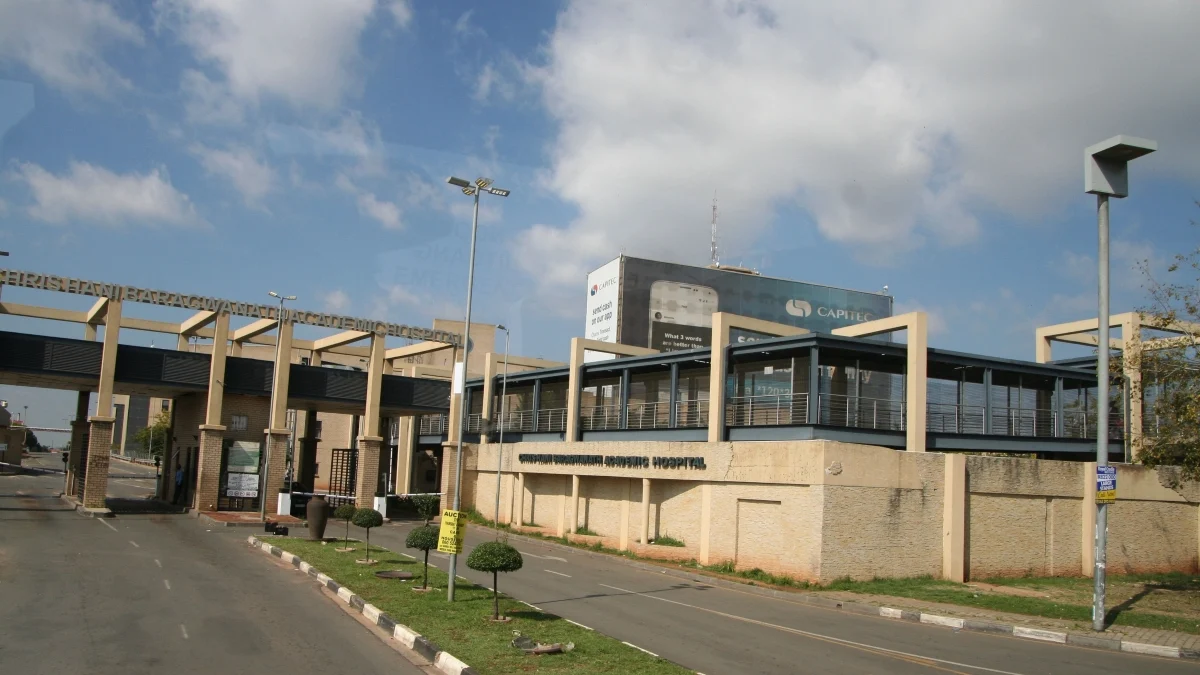
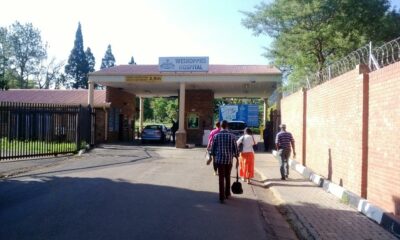
It was once a record-holder, a sprawling symbol of medical scale so vast it earned a place in the Guinness Book of Records. The Chris Hani Baragwanath Hospital in Soweto wasn’t just a hospital; it was a statement. Today, that statement has changed. The story of “Bara” is no longer one of superlatives, but a cautionary tale of systemic decline, a slow-motion collapse playing out across 70 hectares and thousands of beds.
Born as a World War II military hospital for British troops, Bara was bought by the apartheid government and transformed into a showpiece to counter global criticism of its racial policies. Promoted as proof of healthcare for Black South Africans, it grew haphazardly into a behemoth. After 1994, it was renamed in honour of struggle hero Chris Hani, carrying the weight of new expectations.
The Unraveling: A Perfect Storm of Failures
For decades, Bara was a crucial training ground, its high patient volume producing generations of skilled doctors and nurses. But its very size became its Achilles’ heel. As Professor Stephen Hendricks notes, a hospital that grew organically over 70 years is astronomically costly to maintain. That maintenance never came.
Instead, a perfect storm of underfunding, poor administration, and crumbling infrastructure set in. Professor Daynia Ballot, who has witnessed the decades-long decay across Gauteng hospitals, points to the physical rot: leaking pipes, sewage spills, water shortages, flooding, and pest infestations. Broken air conditioning leaves wards freezing in winter and sweltering in summer. Surgeons have reportedly scrubbed using buckets when water systems failed.
The Human Cost of a Failing System
The human impact is severe and multidimensional:
-
Staff in Crisis: Unions report severe shortages due to hiring freezes, leaving nurses with dangerous patient ratios and forcing them to take on cleaning duties. Morale is in freefall.
-
Patient Peril: Overcrowding, fueled by poor referral systems, increases the risk of lethal hospital-acquired infections. Load shedding threatens ICU and surgical patients when backup generators fail.
-
Systemic Breakdown: Essential equipment like MRI machines is lacking. Laundry services are unreliable. Patient records are stored in damp, unsafe basements near sewage pipes. Some facilities lack even basic fire extinguishers.
A Shrinking Giant with a Fading Title
The hospital has steadily shrunk from its peak. While it once boasted over 3,400 beds, renovations and unusable wards have reduced capacity. In 2011, the government itself announced a plan to reduce beds to 1,200 to align with “international norms,” a tacit admission the model was unsustainable. Though it still ranks among the world’s largest by footprint, it has long been overtaken by modern mega-hospitals in countries that continuously invest in public health.
Today, Chris Hani Baragwanath stands as a paradox, a place where heroic healthcare workers perform daily miracles within a system that is fundamentally failing. It remains a giant, but one on its knees. Its slow collapse is not just about bricks and mortar; it’s a stark, physical manifestation of the broader crisis gripping South Africa’s public health sector, a warning written in leaking ceilings and missing files. The world’s biggest hospital is now one of its most powerful cautionary tales.
{Source: BusinessTech}
Follow Joburg ETC on Facebook, Twitter , TikTok and Instagram
For more News in Johannesburg, visit joburgetc.com