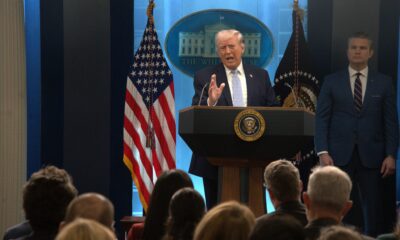
Sourced: X {https://x.com/statedeptspox/status/1922097645872439718?s=20}
More Than 1,000 South Africans Granted US ‘Refugee’ Status And Not All Are White
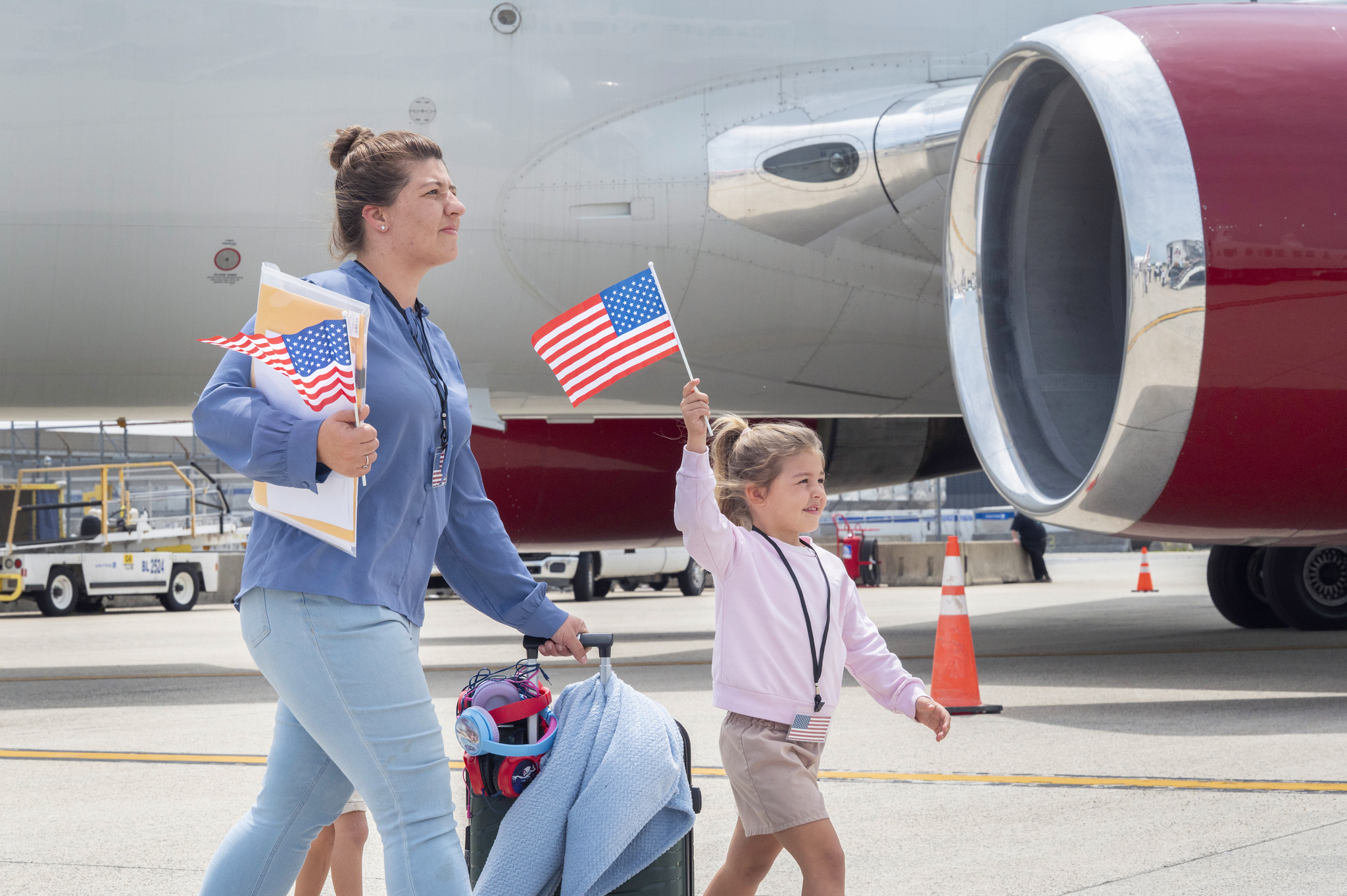
The debate around South Africans being classified as “refugees” in the United States has taken another unexpected turn. New reports suggest that more than 1,000 South Africans have already resettled in the US under a programme prioritised for Afrikaners and that the group is more diverse than many initially believed.
While the programme has largely been framed around white Afrikaner farmers, claims are emerging that black South Africans, people of colour, and interracial families have also been approved, adding a fresh layer of complexity to an already politically charged issue.
A Controversial Programme Back in Motion
The US Refugee Admissions Programme (USRAP) has resumed operations after a brief festive-season pause. The programme reopened amid renewed focus from the Trump administration, which late last year announced a planned intake of 7,500 “racial minorities” from South Africa for the next US fiscal year.
The initiative first gained global attention in February last year after US President Donald Trump alleged racial persecution and “white genocide” against Afrikaners, particularly farmers, claims strongly rejected by the South African government and widely disputed by independent analysts.
Despite the controversy, the programme has continued quietly, with arrivals steadily increasing.
The Numbers So Far
According to Amerikaners, described as an official media partner of US Citizenship & Immigration Services (USCIS) and the US Embassy, over 1,000 South Africans have already been resettled.
The reported timeline breaks down as follows:
May to September: 355 arrivals
November: 125 arrivals
December: 595 arrivals
Apart from an initial pilot group that reportedly travelled on a private jet in May, most refugees have flown to the US on commercial flights, settling into various states.
Social media reaction has been swift, with South Africans questioning both the speed of approvals and the criteria being applied particularly as many asylum seekers from war-torn regions face years-long waiting lists.
Not Just White Afrikaners
One of the most striking claims is that the intake is not racially exclusive.
US intelligence analyst Chris Wyatt has stated that approved refugees include English-speaking and Afrikaner white South Africans, as well as a smaller number of coloured, Indian and mixed-race applicants. He also claims that interracial couples, families with black adoptive children, and individuals married to black South Africans have been successful.
If accurate, this challenges the public narrative that the programme is strictly about white Afrikaner persecution and raises questions about how the US is defining “at-risk minorities” in the South African context.
Could the Numbers Grow Even Bigger?
Although the Trump administration has publicly referenced a 7,500-person cap, Wyatt has suggested that the figure is not fixed.
In a recent YouTube video, he argued that the target could be exceeded, saying similar intake limits have been expanded in the past when political will aligned with administrative capacity.
He claims that thousands more applications have already been processed and approved, signalling that the programme could grow rapidly in 2026.
South Africa’s Quiet Non-Interference
Perhaps most surprising is the South African government’s reported stance behind closed doors.
According to Reuters, South Africa has agreed not to interfere with the resettlement programme, despite publicly rejecting Trump’s claims of racial persecution. Officials from both countries reportedly attended a closed-door meeting in December, where this understanding was reached.
A summary of that meeting noted that while Pretoria does not agree with the “genocide” label, it recognises citizens’ constitutional right to leave the country and settle elsewhere.
This quiet diplomacy contrasts sharply with the heated public discourse both locally and internationally.
A Story Still Unfolding
For many South Africans, the issue cuts deep. It touches on race, history, land, identity, and global power dynamics, all against the backdrop of strained US–SA relations.
Whether this programme remains limited or expands dramatically, one thing is clear: the refugee label, once associated with war and famine, is now firmly entangled in South Africa’s political narrative and the world is watching how it unfolds.