News
AGOA Extended To 2026, But South Africa Is Still Fighting Tariff Pressures
South Africa has held onto its place inside the African Growth and Opportunity Act for now, but the latest extension paints a picture of a relationship that is becoming more fragile by the year. The United States has renewed AGOA only until the end of 2026, keeping local exporters in the game but far from securing the long-term certainty the country has relied on for more than two decades.
A Short Lifeline Rather Than A Long-Term Guarantee
Signed into law on 3 February by US President Donald Trump, the extension retroactively covers the period since AGOA technically expired in September 2025. The trade programme, first introduced in 2000, has been a vital corridor for African economies, granting duty-free access for selected products from participating nations.
For South Africa, that has meant tariff-free entry for key exports ranging from agricultural goods to autos and textiles. It is one of the reasons AGOA has remained such a cornerstone of SA’s trade policy for nearly a generation.
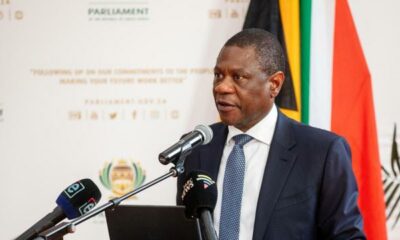
But the new extension lasts barely two years. And that, according to Minister of Trade, Industry and Competition Parks Tau, is simply not enough.
What The South African Government Is Worried About
Tau welcomed the move but warned that the short window does little to encourage investor confidence. Businesses planning large-scale manufacturing or agricultural exports need stability, especially in a market as competitive as the US.
He again raised concerns about the 30 percent tariff imposed by Washington in 2025, which effectively cancels out many of AGOA’s benefits for South African exporters. Although AGOA still technically applies, the tariff means South Africa is operating on a different playing field to other African beneficiaries.
Tau maintains that Pretoria continues to engage with the US in an attempt to repair the relationship and restore full trade benefits. He argues that the partnership remains valuable for both sides, especially at a time when global trade is becoming increasingly politicised.
Why SA’s AGOA Future Is Under Pressure
Over the past few years, diplomatic relations between Pretoria and Washington have cooled. While the article’s source material does not list specifics, the broader context includes public disagreements over international relations, economic alignment, and South Africa’s perceived foreign policy positioning.
AGOA requires countries to meet strict eligibility criteria. According to the Office of the United States Trade Representative, member nations need to show a commitment to a market-based economy, rule of law, combating corruption, protecting human rights, and reducing barriers to US trade and investment.
The US has signalled a tougher stance going forward. Trade Representative United States Trade Representative Jamieson Greer hinted that AGOA will be reshaped to demand more from African partners and offer more to American producers under the broader America First Trade Policy.
What Happens Next
In the coming days, US agencies will update the Harmonised Tariff Schedule to reflect the new AGOA rates. But there is a clear message: future inclusion in AGOA is not guaranteed and will depend heavily on each country’s alignment with US standards.
For South Africa, the next 18 months are critical. Government officials will need to navigate complex diplomatic waters, rebuild trust, and negotiate tariff relief if local exporters are to continue benefiting from the trade programme.
{Source:IOL}
Follow Joburg ETC on Facebook, Twitter , TikTok and Instagram
For more News in Johannesburg, visit joburgetc.com