D-Day looms for South Africa as US trade lifeline hangs in the balance
South Africa is heading into a tense moment that could reshape its trade relationship with the United States, but despite the political drama, the economic fallout may not be as devastating as the headlines suggest.
As early as this week, the US Senate could vote on whether to renew the African Growth and Opportunity Act (AGOA), a cornerstone trade agreement that has given dozens of African countries duty-free access to the American market for more than two decades. The pact officially expired on 30 September 2025, and its future now depends entirely on Congress.
For South Africa, the stakes feel particularly high, not because AGOA is new, but because its place in the deal is suddenly being questioned.
Why AGOA matters and why it’s suddenly in danger
AGOA has been one of the most significant economic bridges between the US and sub-Saharan Africa since it came into force in 2000. It allows more than 1,800 products from 32 African countries to enter the US without import duties, helping exporters compete in one of the world’s biggest consumer markets.
But unlike many trade agreements, AGOA doesn’t renew automatically. Every extension requires a fresh act of Congress. The last renewal happened in 2015.
This time around, South Africa finds itself under a political microscope.
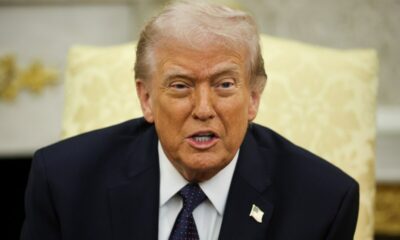
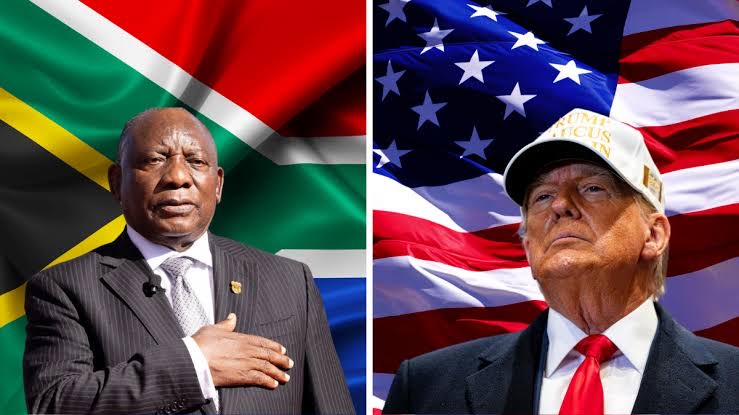
US Trade Representative Jamie Greer has openly suggested that South Africa could be removed from the list of beneficiary countries, calling it a “unique problem.” That comment followed repeated criticism from President Donald Trump, who has taken issue with South Africa’s foreign policy positions and empowerment laws, while also making false claims about racial violence in the country.
The message from Washington has been blunt: even if AGOA survives, South Africa’s access to it is no longer guaranteed.
The economic reality behind the fear
Despite the alarm bells, trade experts say the real-world impact of being cut out of AGOA may be far smaller than many assume.
According to Donald MacKay, managing director of Pretoria-based XA Global Trade Advisors, roughly half of South Africa’s exports to the US are precious metals and those are already exempt from import duties, AGOA or not. Some citrus exports also enjoy exemptions outside the pact.
On top of that, several of South Africa’s major exports don’t even fall under AGOA’s scope.
In simple terms: AGOA helps, but it’s not carrying the whole relationship.
MacKay estimates that the total value of duties saved under AGOA is about R2 billion a year. While that’s meaningful, especially for individual exporters in sectors like wine, it’s not large enough to cause a shock to the broader economy.
“This is definitely not to say that Trump’s policies have not done harm,” he cautioned, noting that certain industries would still feel real pain if preferences disappear.
The bigger problem: tariffs that dwarf AGOA benefits
Even if Congress approves a three-year extension and Trump signs it into law, the relief may be mostly symbolic.
A White House official has already confirmed that countries qualifying under AGOA would still face so-called “reciprocal tariffs” announced by Trump last year. Those tariffs are currently being challenged in the US Supreme Court, but for now, they stand.
South Africa has been hit particularly hard, with duties of up to 30% on some products the highest in the region.
Peter Attard Montalto, managing director at advisory firm Krutham, says this effectively neutralises AGOA’s advantages.
“The risk is significant that secondary legislation powers can be used to carve South Africa out,” he said. But even if that doesn’t happen, the damage may already be done. The tariffs imposed by Trump far exceed the protections AGOA was designed to provide, making any extension “exceptionally marginal” in practical terms.
What this means for jobs, politics and perception
AGOA has long been more than just a trade tool. Locally, it’s often framed as a symbol of South Africa’s economic relevance on the global stage, particularly in manufacturing, agriculture and value-added exports.
Trade Minister Parks Tau has been vocal about the importance of keeping the door open.
“AGOA has been important in this partnership for over two decades,” he said earlier this month, pointing to thousands of jobs supported on both sides of the Atlantic and the role the pact plays in stabilising supply chains.
The US remains South Africa’s second-largest trading partner after China, with two-way trade reaching $21.6 billion in 2024. Losing preferential access, even if economically manageable, would still be a political and psychological blow.
On social media, reaction has been mixed. Some South Africans see the AGOA threat as further proof that the country needs to diversify its trade relationships and rely less on Western markets. Others worry about smaller exporters being squeezed out just as the local economy struggles to gain momentum.
AGOA’s future hangs in the balance, and South Africa’s position within it is more uncertain than ever. But beneath the geopolitical tension and tough talk, the numbers tell a calmer story.
The real risk to South Africa’s exports isn’t AGOA alone, it’s the broader shift toward aggressive tariffs and transactional trade politics. Whether AGOA is renewed or not, the era of easy access to the US market may already be fading.
For South Africa, the moment feels less like a cliff edge and more like a warning shot.