News
Decades later, Ahmed Timol’s family pushes for answers as inquiry targets justice system delays
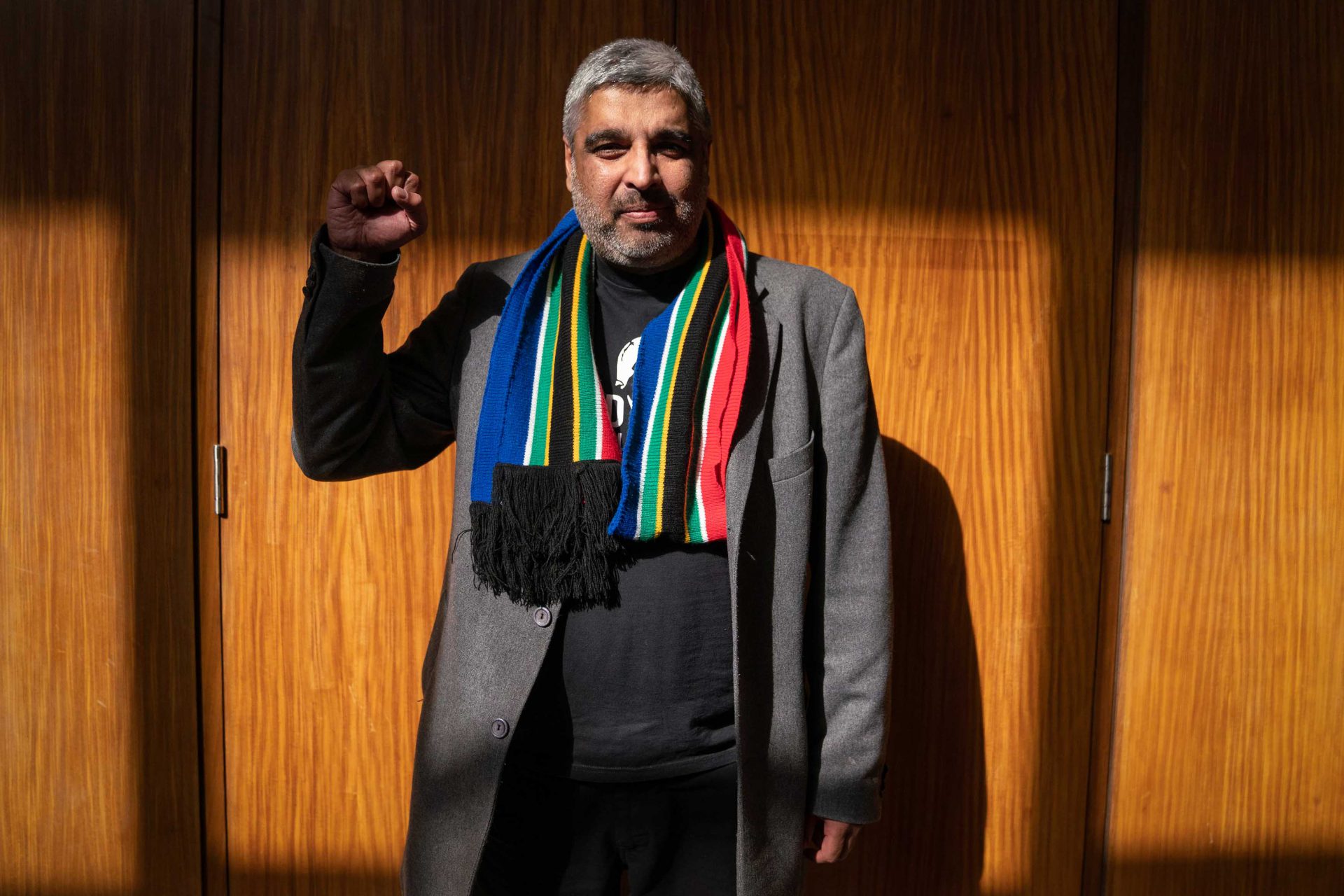
Decades later, Ahmed Timol’s family pushes for answers as inquiry targets justice system delays
A fight that didn’t end with democracy
For many South Africans, the story of apartheid-era crimes feels like history, something studied, remembered, but largely resolved.
For families like that of Ahmed Timol, it’s anything but over.
More than 50 years after Timol died in police custody, and nearly three decades into democracy, the search for accountability continues. This week, that fight took another turn as his nephew, Imtiaz Ahmed Cajee, formally applied to testify before a judicial commission probing alleged failures within South Africa’s justice system.
At its core, his message is simple and heavy: justice delayed is justice denied.
From family grief to a national question
Cajee’s story isn’t just about one case. It’s about what happens when families are forced to carry investigations that institutions were meant to handle.
In his affidavit, he describes years of frustration with the National Prosecuting Authority and the Directorate for Priority Crimes Investigation, accusing them of delays, inaction, and even suppression of apartheid-era cases.
His argument goes beyond personal loss he believes there has been a pattern.
A pattern where cases linked to the Truth and Reconciliation Commission (TRC) were quietly stalled, neglected, or never pursued fully.
The case that refused to stay buried
To understand why this matters, you have to go back to 1971.
Timol, an anti-apartheid activist, died while in police custody at Johannesburg’s John Vorster Square. At the time, authorities claimed he had jumped from the 10th floor a finding that stood for decades.
But in 2017, everything changed.
A reopened inquest overturned that version, ruling that Timol had been murdered a breakthrough driven largely by Cajee’s persistence.
It was a rare moment of truth in a system that many feel has been slow to confront its past.
A grandmother’s words that still echo
Cajee traces his determination back to a deeply personal moment.
In 1996, he watched his grandmother testify before the TRC her voice filled with grief, but also resolve. She spoke of not wanting to forget, of needing to know what really happened.
She passed away just over a year later, without seeing justice.
For Cajee, that moment became a turning point not just to remember, but to act.
Allegations of delay, resistance, and missed chances
In his submission, Cajee points to a series of missed opportunities that, he argues, allowed justice to slip further out of reach.
Among them:
- The closure of the case file in 2006
- Failure to act on key TRC recommendations
- Delays in prosecuting suspects, some of whom died before facing trial
He also highlights allegations involving former Security Branch figures, including claims that key leads were not followed up.
Taken together, he says, these are not isolated mistakes but signs of systemic failure.
A broader reckoning now underway
Cajee’s application comes at a time when South Africa is once again being forced to confront its unresolved past.
A judicial commission, led by Sisi Khampepe, is currently investigating whether there was interference in TRC-related cases and why so many were delayed or abandoned.
At the same time, dozens of victims’ families have taken legal action against the state, seeking accountability and damages for what they describe as political interference.
Even the inquiry itself hasn’t been without controversy. Former presidents Thabo Mbeki and Jacob Zuma challenged Khampepe’s role a bid that was dismissed in court, though the matter may still head to the apex court.
Public reaction: “We were promised justice”
On social media, the story has struck a chord.
Many South Africans see Cajee’s fight as emblematic of a larger issue the unfinished business of the TRC process.
Some users have expressed frustration, arguing that reconciliation without accountability was always going to leave wounds open. Others have praised Cajee’s persistence, calling it a reminder that ordinary citizens can still push for truth, even decades later.
There’s also a growing sense of discomfort: if justice can be delayed for this long, what does that say about the system today?
The bigger question: can South Africa still deliver justice?
The TRC was built on a delicate promise that truth would lead to healing, and that justice, in some form, would follow.
But cases like Timol’s challenge that narrative.
They raise difficult questions about whether the balance between reconciliation and accountability was ever fully achieved and whether institutions have done enough to honour that commitment.
More than one family’s fight
For Cajee, this is deeply personal. It began with his uncle, and with a promise made in a room filled with stories of pain and resilience.
But it has grown into something bigger.
A test of whether South Africa is willing to confront the parts of its history that remain unresolved.
A test of whether institutions can be held accountable.
And ultimately, a test of whether justice even delayed can still be delivered.
{Source: IOL}
Follow Joburg ETC on Facebook, Twitter , TikTok and Instagram
For more News in Johannesburg, visit joburgetc.com