
Artificial Intelligence
How AI helped create a personalised cancer vaccine for a dog named Rosie
A desperate search for hope
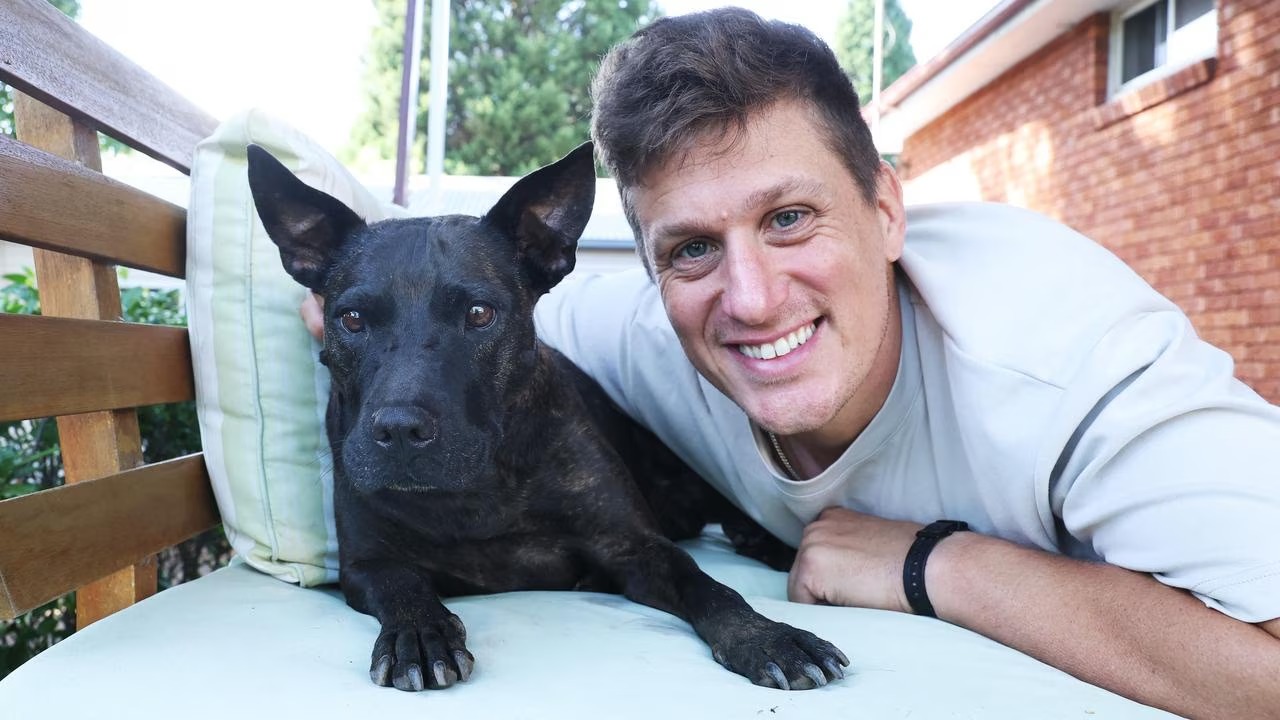
When Rosie, the Staffy-Shar-Pei cross, was diagnosed with mast cell cancer, the outlook was bleak. The aggressive disease is one of the more dangerous forms of cancer in dogs, often spreading quickly and proving difficult to treat.
Her owner, Australian data scientist Paul Conyngham, did what most pet owners would do at first. He followed the conventional route. Rosie underwent surgery and chemotherapy, which slowed the growth of the tumours but did not shrink them. Over time, it became clear that traditional treatment alone might not be enough.
Faced with the possibility of losing his dog, Conyngham turned to an unexpected ally. Artificial intelligence.
Turning to AI for answers
Conyngham, an electrical and computing engineer and co-founder of Core Intelligence Technologies, began using ChatGPT to brainstorm possible ways to tackle Rosie’s cancer. The idea was not to replace veterinarians or researchers but to help explore possibilities faster.
From there, the project moved into serious scientific territory.
The first step was genetic sequencing. Rosie’s healthy DNA was taken from her blood, while DNA from the tumour was also analysed. By comparing the two, scientists could pinpoint the exact mutations driving the cancer.
Researchers at the Ramaciotti Centre for Genomics at the University of New South Wales helped carry out the sequencing work. Once the mutations were identified, Conyngham used advanced data analysis tools to map how the altered genes changed the proteins inside Rosie’s tumour cells.
This is where another powerful technology entered the picture. AlphaFold, the protein structure prediction system, helped model the proteins produced by the cancer mutations. That information allowed Conyngham to identify possible targets for treatment.
Designing a personalised vaccine
Instead of conventional drugs, the team pursued something far more experimental. A personalised mRNA cancer vaccine.
Using the information from Rosie’s tumour mutations, Conyngham designed an mRNA sequence that could teach the immune system to recognise and attack the cancer cells. Scientists then synthesized the vaccine nanoparticle based on that design.
The treatment was administered under expert supervision. Veterinary oncologist Professor Rachel Allavena from the University of Queensland oversaw the experimental therapy.
Rosie received her first injection in December, followed by a booster the following month.
Early signs of improvement
The results came quickly.
Within weeks of the treatment, Rosie’s condition began to improve. One of the tumours reportedly shrank by nearly half. Even more noticeable to those around her was a change in her energy.
The dog that had been fighting an advanced cancer suddenly seemed brighter and more active.
Scientists are now taking the next step. Rosie’s tumour is being sequenced again so that a second vaccine can be designed. This new version will target cancer cells that did not respond to the first treatment.
What this could mean beyond one dog
While Rosie’s case is still experimental, it reflects a much larger shift happening in medicine.
Personalised cancer vaccines are already being explored for humans. These treatments work by analysing a patient’s unique tumour mutations and designing vaccines that train the immune system to recognise those specific cancer cells.
Several experimental therapies are already under development around the world. For example, Russia’s Health Ministry approved a number of experimental cancer treatments developed by state-funded laboratories. Among them are Neooncovac, an mRNA-based vaccine for advanced melanoma, and Oncopept, a peptide therapy aimed at aggressive colorectal cancers.
The personalised drugs may eventually become available through the country’s national health insurance system.
The internet reacts
Stories like Rosie’s tend to spread quickly online, especially when they combine two things people care deeply about. Pets and new technology.
On social media, many users described the story as both heartwarming and hopeful. Others were fascinated by the role artificial intelligence played in accelerating research and treatment ideas.
Some veterinarians and scientists have also pointed out that cases like this show how personalised medicine could transform both human and veterinary healthcare in the future.
A hopeful chapter for Rosie
For now, the science continues, and Rosie’s journey is far from over. But the early results have already turned what once looked like a hopeless situation into something much more promising.
It began with a worried dog owner searching for answers. It may end up showing how artificial intelligence, genomics, and modern medicine can work together to create treatments tailored to a single patient, even if that patient happens to be a dog.
w Joburg ETC on Facebook, Twitter, TikT
For more News in Johannesburg, visit joburgetc.com
Source: IOL
Featured Image: The Australian


