Artificial Intelligence
Silicon Thirst: Why AI’s Data Centers Drain Fresh Water in a Parched World
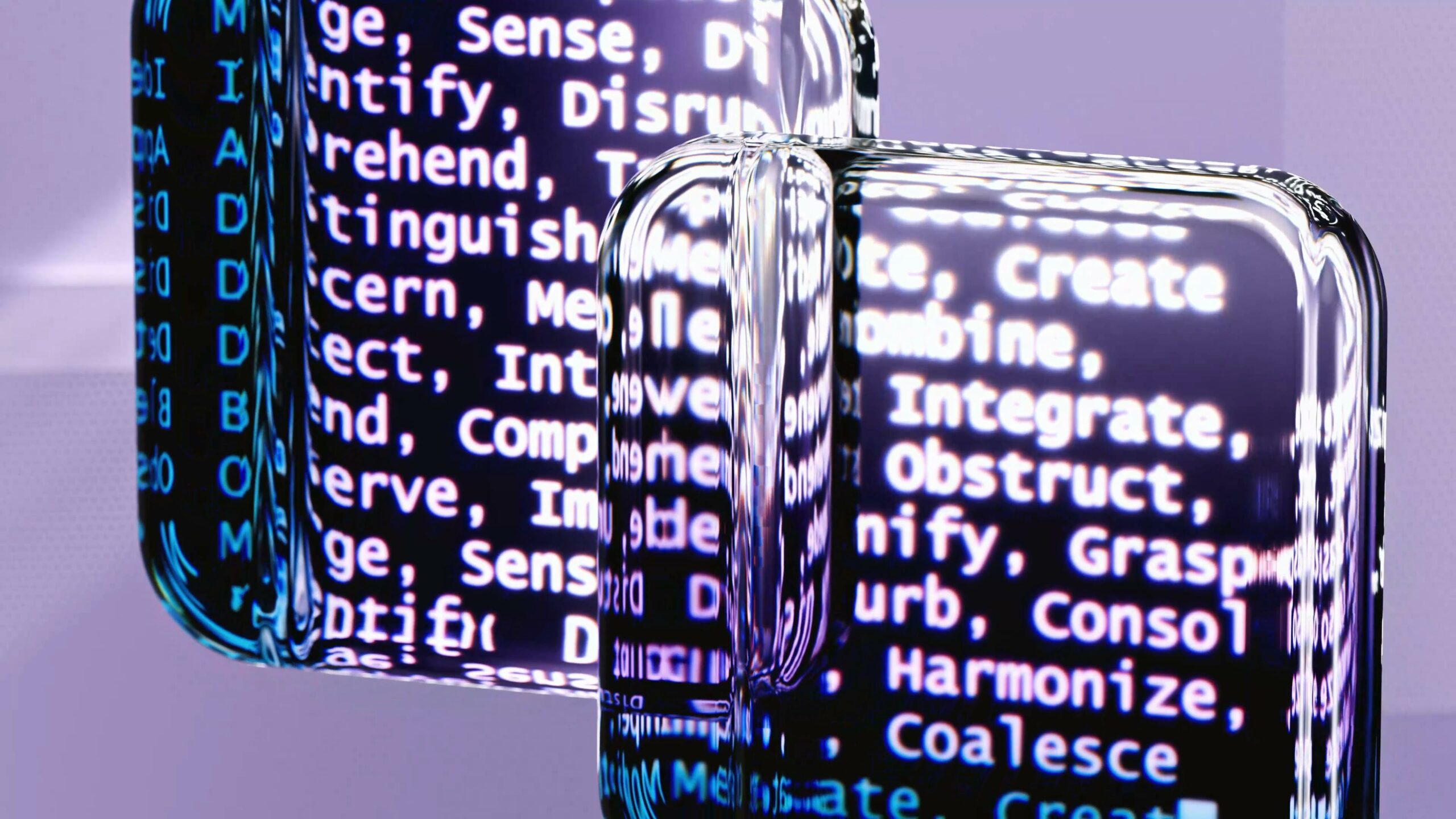
In 2023, as the people of Montevideo, Uruguay, tasted salt in their taps during a historic drought, Google announced plans for a local data center that would gulp 7.6 million liters of fresh water every day. This jarring contrast isn’t an anomalyit’s the norm. The physical engines of our digital lives, especially the AI systems powering everything from chatbots to social media feeds, are voraciously consuming potable water, often in regions where it’s increasingly scarce.
By 2027, AI’s annual water footprint could match global bottled water consumption. A critical, unsettling question emerges: In an age of advanced recycling, why are these high-tech temples drinking from the same fresh water supply as our homes?
The Heat is On: Cooling the AI Inferno
Data centers are essentially massive, electricity-guzzling ovens. Racks of servers generate intense heat, and with AI’s computationally dense workloads, that thermal output is skyrocketing. To prevent meltdown, most facilities rely on evaporative cooling towersthink of a server “sweating” to cool down. A single 1-megawatt data center can evaporate over 25.5 million liters of water annually, vanishing it into the atmosphere.
The Triple Bind: Why Fresh Water Reigns Supreme
Despite the glaring need for sustainability, three formidable barriers lock data centers into using fresh water:
-
The Chemistry Problem: “Scaling” and Corrosion
Recycled or non-potable water often contains minerals and impurities. In sensitive cooling systems, these can cause scaling (clogging mineral deposits), corrosion, and biological growth that cripple efficiency and damage multi-million-dollar equipment. As the Climate Neutral Data Centre Pact notes, fresh water is often chosen simply because it’s chemically simpler and safer for infrastructure. -
The Cost Equation: Cheap Water vs. Expensive Treatment
Ironically, in many places, fresh water remains cheaper for industrial users than the electricity needed to run the data center itself. The significant upfront cost of building on-site water treatment plants makes the modest price of municipal potable water the path of least financial resistance. -
The Infrastructure Gap: Pipes That Don’t Exist
Even if a company is willing to pay, the recycled water often isn’t there. Microsoft’s latest sustainability report highlights a stark reality: less than 1% of U.S. water is recycled. Most cities lack the separate piping networks needed to deliver reclaimed water to industrial customers. Without this public utility, a data center would have to become its own water treatment plant.
A Glimmer of Hope: The Shift to Liquid Cooling
The AI-driven surge in heat is ironically forcing a technological pivot. To manage the extreme temperatures of AI chips, the industry is moving toward direct liquid coolingsealed loops that circulate coolant directly over hot components. This closed-system approach could drastically reduce, or even eliminate, evaporative water use.
But that future is still being built. For now, every query to ChatGPT, every scroll through a feed, is likely cooled by a sip of fresh, drinkable water. The challenge is no longer just measuring AI’s thirst, but bridging the critical gap between our digital ambitions and the physical resources they consume. The cloud, it turns out, has a very real, and very thirsty, footprint.
{Source: IOL}
Follow Joburg ETC on Facebook, Twitter , TikTok and Instagram
For more News in Johannesburg, visit joburgetc.com