News
OR Tambo Chaos Sparks ATNS Backlash As Airlines And Passengers Demand Answers
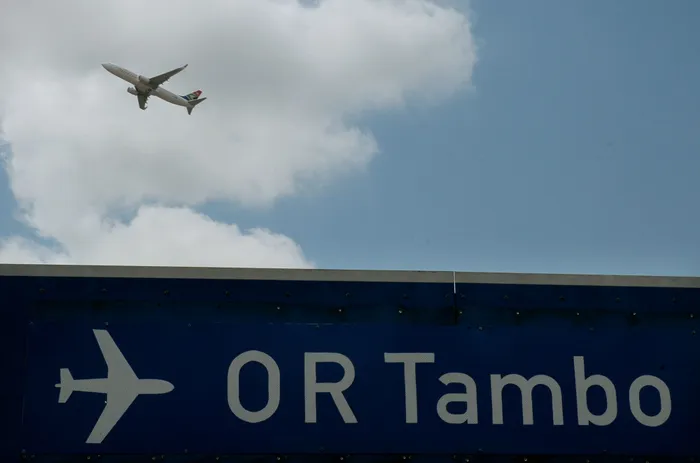
OR Tambo Grinds To A Halt During Peak Holiday Rush
For thousands of South Africans heading home after the December break, Sunday’s return to Johannesburg came with an unexpected test of patience. OR Tambo International Airport, the country’s busiest travel hub, was hit by widespread flight delays that quickly snowballed across airline schedules.
In total, 69 flights were delayed, with passengers waiting an average of 74 minutes. For some, the experience was far worse, especially those already seated on aircraft with engines off and departure times slipping hour by hour.
The disruptions could not have come at a worse time. The weekend marked one of the busiest travel periods of the year, with airports under pressure as holidaymakers returned to work and school routines.
ATNS Explanation Sparks Confusion And Anger
Air Traffic and Navigation Services initially pointed to staff shortages at its air traffic control station as the primary reason for the delays. That explanation immediately drew criticism from both travellers and airlines, who questioned how such gaps could occur during a known peak period.
ATNS spokesperson Mphilo Dlamini said flights had to be staggered to ensure each take-off was properly managed by available controllers. According to ATNS, the shortages were linked to controllers calling in sick or dealing with family emergencies, not poor workforce planning. Staff on leave were reportedly recalled to stabilise operations later in the day.
By Monday, ATNS updated its position, acknowledging that severe weather, including thunderstorms, had also contributed to the disruption. Speaking to Newzroom Afrika, Dlamini said the organisation was not shifting blame but rather explaining how weather conditions worsened an already strained situation.
Passengers Take Their Frustration Online
As delays dragged on, social media filled with raw, real-time frustration. Passengers posted photos from packed terminals and shared stories of sitting on stationary planes for hours.
One post on X summed up the mood. A traveller described a flight scheduled for 3pm only departing at 6pm, while passengers remained seated inside the aircraft with little information. Others tagged airlines directly, demanding clearer communication and accountability.
For many South Africans, the experience revived familiar concerns about airport operations, transparency and how quickly small disruptions can spiral into nationwide travel chaos.
Airlines Push Back On The Weather Narrative
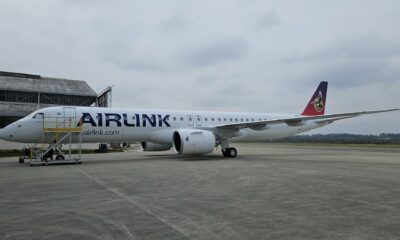
Airlines were quick to challenge ATNS’s revised explanation. Airlink spokesperson Linden Birns said the core issue was a failure to ensure enough air traffic controllers were available to handle normal Sunday traffic at OR Tambo.
According to Birns, the staffing shortage led to restrictions on how many aircraft could operate in Johannesburg’s airspace at one time. This triggered knock-on delays across Airlink’s network and forced some flights to divert to alternative airports, including Gaborone and Durban.
Birns said weather played a limited role. Of the airline’s operations, only five flights were diverted during the peak of the storm, four to Gaborone and one to Durban. The bigger impact came from aircraft and crews being left out of position due to earlier delays.
Airlink alone delayed 31 flights at OR Tambo, which then contributed to 69 delayed flights across its broader network.
Operational Impact Felt Far Beyond Johannesburg
By Monday, most operations were back on schedule, but the aftershocks were still visible. Crews and aircraft displaced by Sunday’s disruptions caused further delays in the early morning.
FlySafair spokesperson Kirby Gordon echoed Airlink’s concerns, saying the situation significantly affected operational efficiency and customer satisfaction. The timing, during one of the busiest travel windows of the year, only amplified the disruption.
Both airlines stressed that safety was never compromised. However, they acknowledged the heavy inconvenience to travellers and the cost to airlines trying to recover schedules under pressure.
Bigger Questions For South Africa’s Aviation System
The OR Tambo delays have reignited broader questions about resilience in South Africa’s aviation system. With air travel rebounding strongly post-pandemic, passengers are increasingly intolerant of explanations that feel reactive rather than preventative.
For ATNS, the incident has placed renewed scrutiny on staffing models, contingency planning and communication during high-pressure periods. For travellers, it was another reminder that a single weak link can ripple across the entire network.
As holiday travel volumes continue to rise, the expectation from both passengers and airlines is clear. Peak periods demand peak preparedness, not post-crisis explanations.
{Source:The Witness}
Follow Joburg ETC on Facebook, Twitter , TikTok and Instagram
For more News in Johannesburg, visit joburgetc.com