News
Australia’s under-16 social media ban sees Meta remove 544,000 accounts
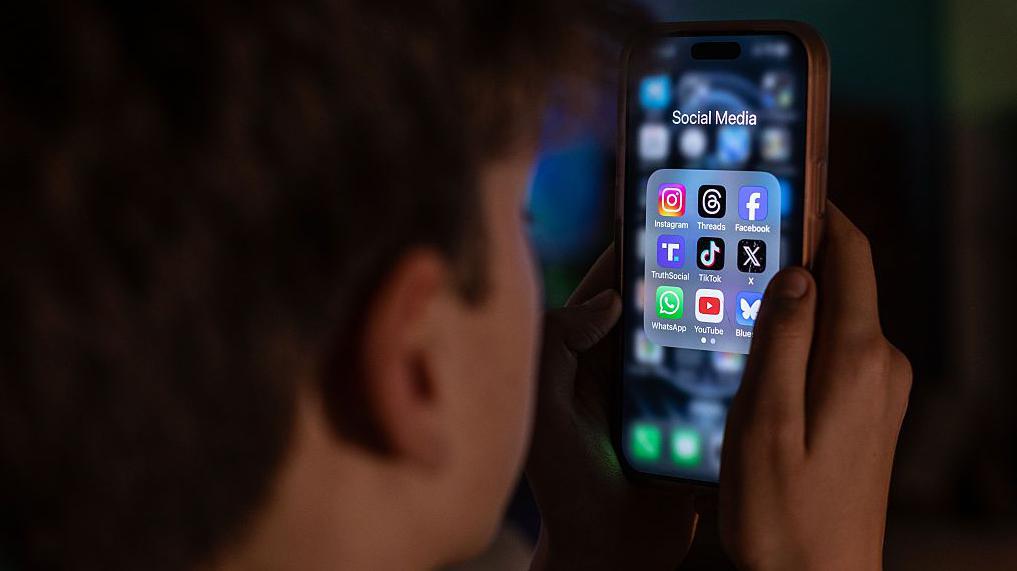
When Australia flicked the switch on its new under-16 social media ban, the impact was immediate and blunt. Within days, hundreds of thousands of accounts had disappeared. For families, teens, and tech companies alike, the new rules have turned everyday scrolling into a national talking point.
At the centre of it all is Meta, which confirmed it had blocked more than 544,000 accounts as the law came into force. The numbers alone tell a story of how deeply social platforms are woven into young people’s lives, and how difficult it is to police the digital world once governments step in.
What the new law actually requires
Since 10 December last year, Australia has required major platforms such as Meta, TikTok, and YouTube to prevent anyone under 16 from holding an account. The law gives regulators real teeth. Companies that fail to take reasonable steps to comply face fines of up to Aus$49.5 million.
For Meta, compliance has meant rapid action. In the week to 11 December, the company removed around 331,000 underage Instagram accounts, 173,000 from Facebook, and 40,000 from Threads. The company says it is following the law, but it is also pushing back on how the policy works in practice.
Meta’s warning about a digital whack-a-mole
Meta has publicly urged the Australian government to rethink the ban. The company argues that blocking accounts at the platform level risks turning enforcement into a constant game of digital whack-a-mole, with teenagers simply moving to new or lesser-known apps.
A key part of Meta’s proposal is shifting responsibility upstream. The company wants app stores to verify users’ ages and require parental approval before under-16s can download social media apps in the first place. In its view, that is the only way to create a consistent standard across the industry rather than a patchwork of bans.
Meta also says parents and child development experts are uneasy about the unintended consequences. There is concern that cutting teens off from mainstream platforms could isolate them from online communities and push them towards darker, less regulated corners of the internet.
Government holds firm on accountability
Australian officials have been equally clear in their response. The government insists platforms already collect vast amounts of user data for commercial purposes and should use that information to enforce the law.
From Canberra’s perspective, the ban is about accountability. Lawmakers argue that social media companies have long acknowledged the harms their platforms can cause young people, from mental health pressures to exposure to harmful content, and that this legislation forces meaningful action.
A global test case with eyes watching
Australia’s move is the first of its kind, and other countries are watching closely. Whether the ban improves safety or simply reshapes how young people access the internet remains an open question.
Meta has warned that early signs suggest the policy may not be meeting its stated goal of improving young Australians’ well-being. At the same time, the company says age verification online remains a technical and ethical challenge, with no agreed industry standard.
In response, the California-based firm has helped establish the OpenAge Initiative, a nonprofit group that has launched age verification tools known as AgeKeys. These tools are designed to work across participating platforms, offering what Meta describes as a more privacy-preserving way to determine age online.
Why this matters beyond Australia
What happens next will shape global debates about children, technology, and regulation. If Australia’s ban proves effective, it could become a model for other governments. If it backfires, it may strengthen calls for alternative solutions that balance safety, privacy, and access.
For now, the message is clear. The era of hands-off regulation is ending, and social media giants are being forced to adapt in real time. Whether that leads to safer online spaces or new digital loopholes is something only the coming months will reveal.
Follow Joburg ETC on Facebook, Twitter, TikT
For more News in Johannesburg, visit joburgetc.com
Source: IOL
Featured Image: BBC