News
The Hidden “School Fee”: Cyber Scammers Lie in Wait for Stressed-Out Parents
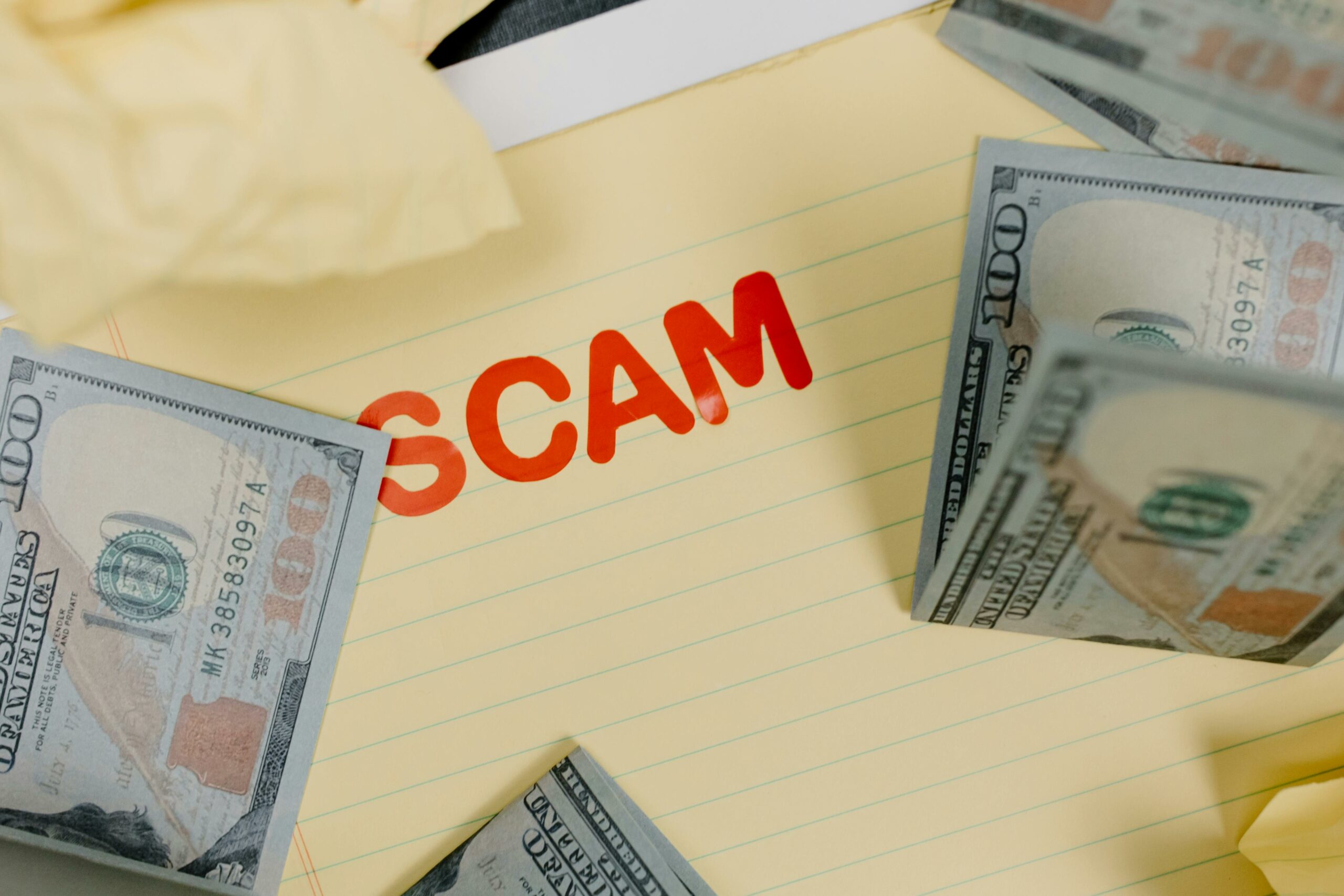
As millions of South African families scramble to get children ready for the new school year, cybersecurity experts are sounding the alarm: the back-to-school rush is prime hunting season for online criminals. The Council for Scientific and Industrial Research (CSIR) warns of a sharp uptick in sophisticated phishing scams designed to exploit parental stress and financial pressure.
Dr. Jabu Mtsweni, head of the CSIR’s Information and Cybersecurity Centre, explains that fraudsters are capitalising on every aspect of the January frenzy. “During this time, there’s a lot of stress. One of the common ones, particularly when it’s back-to-school, is the issue of registrations,” he told SABC News.
The Scam Playbook: From Fake Forms to Bogus Bursaries
The schemes are varied and cunning, exploiting known points of anxiety:
-
Fake Registration Portals: Mimicking official school or university websites to steal personal and financial data from desperate parents seeking last-minute placements.
-
Too-Good-To-Be-True Deals: Fraudulent sites offering steep discounts on stationery and uniforms, luring bargain hunters into handing over payment details for goods that never arrive.
-
Bursary and Scholarship Traps: Social media posts, often impersonating reputable entities like the SABC, promising funding in exchange for sensitive personal information.
AI Makes the Scams Alarmingly Real
Mtsweni highlights a dangerous new twist: the use of AI-generated messages that make fraudulent emails, texts, and social media posts look highly convincing. “Nowadays, people also use AI-generated messages, so it’s very important… to first think before we click,” he advises.
The warning extends beyond school-specific scams. Criminals are also exploiting other official channels, sending sophisticated fake messages impersonating banks, courier companies, and notably, the Road Traffic Infringement Agency (RTIA) ahead of the nationwide AARTO rollout.
RTIA spokesperson Monde Mkalipi has repeatedly warned that the electronic serving of AARTO fines has not yet been legally approved. Any unsolicited email or SMS demanding payment for a traffic fine, especially after hours or on weekends, is a scam.
How to Protect Your Family (and Your Wallet)
The advice from experts is clear: slow down and verify.
-
Pause Before Clicking: If a message creates a sense of urgency, treat it as a major red flag.
-
Check the Source: Hover over links to see the actual web address. Legitimate organisations use official domains (e.g., paycity.co.za).
-
Verify Directly: Contact the supposed senderyour school, the bank, the RTIAusing official contact details from their verified website, not the contact details in the suspicious message.
-
Ignore Unsolicited “Bargains”: If a stationery deal or bursary offer seems too good to be true, it almost certainly is.
The start of the school year is stressful enough without falling victim to digital predators. In the rush to buy books and submit forms, the most important lesson for parents this January might just be one in cyber vigilance.
{Source: Mybroadband}
Follow Joburg ETC on Facebook, Twitter , TikTok and Instagram
For more News in Johannesburg, visit joburgetc.com