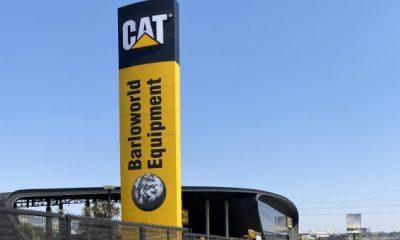
A 124-year-old pillar of South African industry has quietly slipped off the public market. Barloworld, the JSE-listed industrial giant and exclusive Caterpillar equipment distributor for Southern Africa, is now officially under private ownership following a landmark R23 billion takeover by a Saudi-led consortium. The move concludes the company’s long history on the Johannesburg Stock Exchange and A2X, marking a significant shift in the local corporate landscape.
The acquiring entity, Newco, is a consortium led by Saudi Arabia’s Zahid Groupthrough its subsidiary Gulf Falcon Holdingand Entsha, a company linked to Barloworld CEO Dominic Sewela. After a 97.6% shareholder acceptance of the offer, Newco invoked a compulsory “squeeze-out” to acquire the remaining shares, finalizing the deal in January 2026.
Why Go Private? The Cost of Being Public
For CEO Dominic Sewela, the decision to delist was driven by a desire to escape the “high fees” and relentless short-term pressures of public markets. In a recent interview, he explained that being listed consumed enormous management time. “You spend a lot of time with analysts and asset managers, trying to explain the business… It can be very time-consuming and sometimes takes you away from what matters,” he said.
Barloworld, now a more focused entity following years of unbundling non-core assets, operates in the cyclical industrial and equipment sector. Sewela argued that such a business requires a long-term view and the flexibility to support customers through downturnsa strategy often punished by quarterly-obsessed public investors.
Strategic Freedom and a Long-Term Horizon
“The reason why Barloworld has been around now for going on 124 years is precisely the long-term view that the founders of this business had,” Sewela noted. As a private company, Barloworld can now prioritize intrinsic value over daily share price movements. Management gains the freedom to reinvest profits without the pressure to pay consistent dividends and can make strategic decisions insulated from market volatility.
The protracted deal process, Sewela admitted, was necessary to navigate the intense legal and governance scrutiny, especially given management’s involvement in the leveraged buyout. The goal was to ensure shareholders received fair value and that all conflicts of interest were properly managed.
What This Means for South Africa’s Industrial Sector
Barloworld’s departure is more than a corporate transaction; it’s a signal. It highlights how high costs and short-term market demands can push even established, profitable South African firms into private hands, often with foreign backing. The Zahid Group’s major investment underscores the significant interest from Gulf capital in well-managed African industrial assets.
For Barloworld’s employees and customers, the promise is one of greater operational focus and customer care. For the South African market, it’s the loss of a historic counter and a cautionary tale about the environment for listed industrial companies. As the dust settles, the 124-year-old company begins a new, private chapter, hoping that away from the glare of the trading floor, it can build the next century of its legacy.