Business
A Warning Ignored: How 51 Years of SA Manufacturing and 230 Jobs Became Collateral Damage in the Illicit Cigarette War
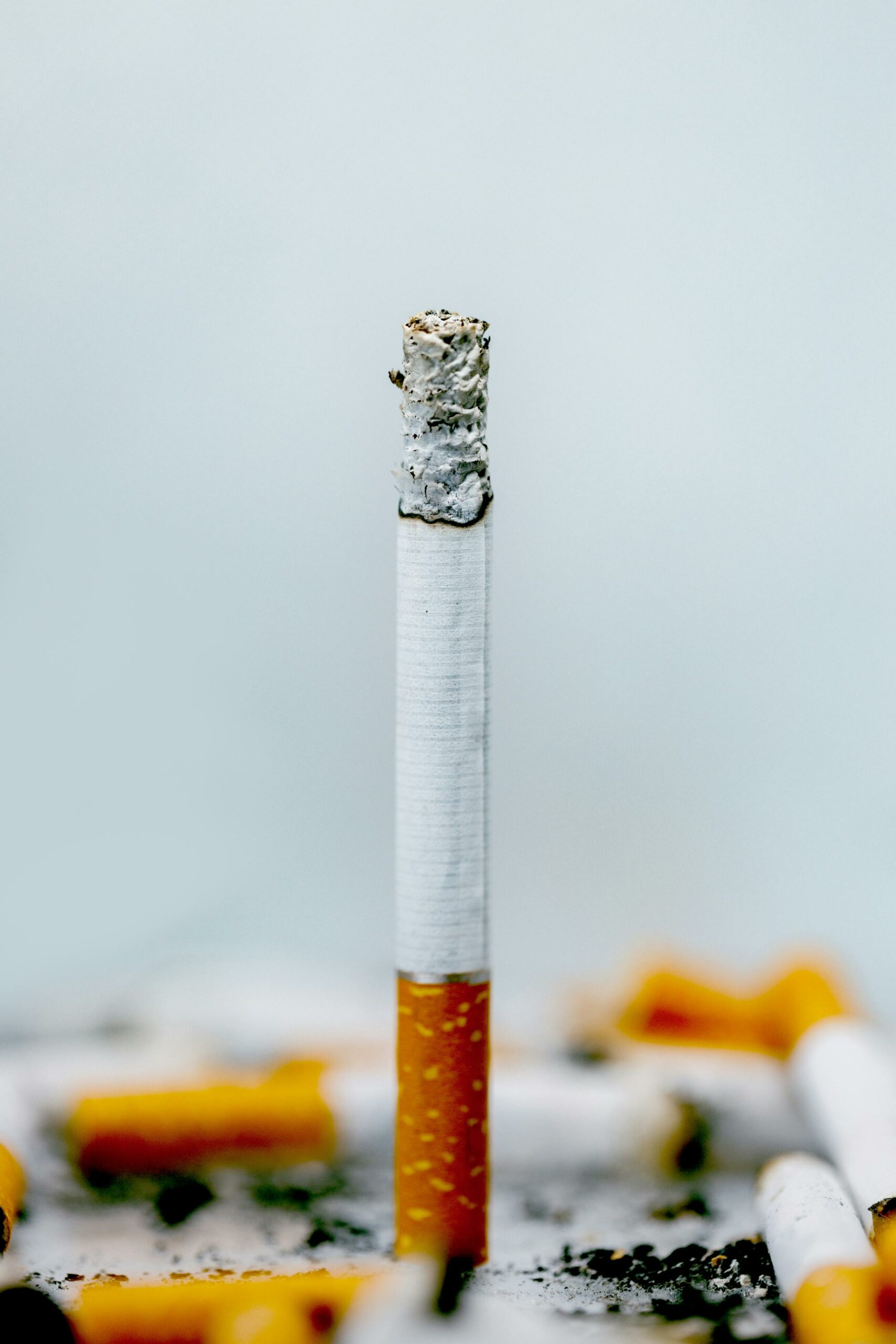
For 51 years, a factory in Gauteng hummed with the rhythm of production, employing hundreds, supporting families, and anchoring British American Tobacco’s (BAT) century-old presence in South Africa. By the end of 2026, those machines will fall silent. The company is shuttering its sole local manufacturing facility, and the message from its global CEO is blunt: this didn’t have to happen.
“They cannot say they didn’t know,” said Tadeu Marroco in a call with Bloomberg News on Thursday. “Every time we did a downsize, we went back to the government and said, ‘look we are doing all we can’.” The problemexplosive growth in the illicit cigarette tradewas never effectively addressed. Now, 230 workers face an uncertain future, and South Africa loses its eighth-largest BAT factory globally.
A Decade of Decline, A Pandemic Accelerant
The roots of this closure run deep. The systematic weakening of South Africa’s enforcement institutions during the state capture era crippled the South African Revenue Service (SARS), stripping it of specialist units, experienced investigators, and prosecutorial capacity. As oversight collapsed, illicit manufacturers expanded, under-declaring production and dodging excise duties with impunity.
Then came COVID-19. BAT explicitly warned the Ramaphosa government that the 2020 ban on tobacco salesintended to curb the pandemicwould supercharge the illegal market. It did. Today, illicit trade accounts for an estimated 60% to 75% of South Africa’s traditional cigarette market, a figure Marroco says the government has failed to reduce to “meaningful levels” since.
The fiscal cost is staggering: SARS data shows tax collection from tobacco has stagnated despite rising consumption, creating a post-COVID tax gap of at least R40 billion. Broader estimates place annual tax losses from illicit tobacco between R51 billion and R84 billion.
“Too Little, Too Late”
On the same evening Marroco spoke to Bloomberg, President Cyril Ramaphosa delivered his SONA address, pledging to tackle the illicit economy as part of a broader crackdown on organised crime. Counterfeit goods, he acknowledged, are a “growing threat that undermines South African jobs and industries.”
For BAT, the promise rings hollow. The company has already triggered Section 189A consultations with employees and unions, a process expected to conclude by March 2026. The factory will close by year-end. Production will shift to imports.
Who Pays the Price?
SARS now warns that international criminal mafias are partnering with local networks to exploit the South African marketa direct consequence of the enforcement vacuum BAT spent years flagging. The company, once a compliant taxpayer and major employer, has made its calculation: it is cheaper to manufacture elsewhere and import than to operate in an environment where 75% of the market competes unfairly, paying no duty.
The tragedy of the BAT closure is that it was entirely foreseeable. Warnings were lodged, data was presented, and pleas were made. They were met with piecemeal responses and, ultimately, inaction. The 230 workers facing retrenchment are not victims of global corporate ruthlessness. They are casualties of a state that failed to protect compliant industry from criminal predation. The factory’s 51-year history ends not with a bang, but with a quiet, preventable surrender.
{Source: BusinessTech}
Follow Joburg ETC on Facebook, Twitter , TikTok and Instagram
For more News in Johannesburg, visit joburgetc.com