News
Bird flu is spreading globally – here’s what South Africans need to know now
Bird flu is spreading globally, here’s what South Africans need to know now
It’s no longer just a farming problem
For years, “bird flu” sounded like something that only affected farmers and large poultry operations. But that’s changing and fast.
As cases of avian influenza surge across the United States and Europe, concern is growing here at home too. Experts are warning that what happens overseas rarely stays there, especially when it comes to diseases carried by migratory birds.
In South Africa, where chicken is a staple on dinner tables and a key part of the economy, the stakes are high.
What exactly is bird flu?
Bird flu, or avian influenza, is a highly contagious virus that naturally lives in wild birds especially waterfowl like ducks and geese.
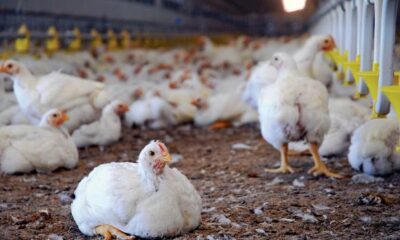
These birds often carry it without getting sick. The problem starts when the virus jumps into domestic poultry like chickens and turkeys. Once it does, it can spread quickly and wipe out entire flocks.
That’s why outbreaks often lead to mass culling a practice that has already cost the South African poultry industry billions in recent years.
How it spreads and why experts are watching closely
The virus travels through saliva, mucus, and droppings from infected birds. It can spread through:
- Airborne particles or dust
- Contaminated surfaces
- Direct contact with infected animals
According to the Centers for Disease Control and Prevention, human infection is still rare but not impossible.
And that’s where the concern lies.
People who work closely with animals, like farm workers, face the highest risk, especially without proper protective gear.
The 2024 shift that changed everything
What really put global health experts on alert was a development in 2024.
The World Health Organization reported that the H5N1 strain had spread beyond birds into dairy cattle in the United States.
Even more worrying? Farm workers were infected after contact with sick cows and contaminated raw milk.
This marked a significant shift: the virus crossing into mammals in a more visible way. It’s not a pandemic but it’s the kind of change scientists take very seriously.
What symptoms look like in humans
Most people will never encounter bird flu, but it helps to know what to watch for.
Mild symptoms:
- Red, irritated eyes (conjunctivitis, one of the most common recent signs)
Severe symptoms:
- Breathing difficulties
- Pneumonia
- Seizures or confusion
- Multi-organ complications
In rare cases, it can be fatal.
Can it spread from person to person?
Right now, the answer is: barely.
Human-to-human transmission is extremely rare and usually requires very close, prolonged contact.
But here’s the bigger fear and it’s one scientists talk about quietly but seriously.
Viruses mutate. If bird flu ever evolves to spread easily between people, it could trigger a new global health crisis.
Important to note: we are not there right now.
Why there’s no vaccine yet
There isn’t a widely available, specific vaccine for bird flu in humans.
According to the National Institute for Communicable Diseases, prevention currently relies on monitoring, containment, and general health measures.
However, experts still recommend getting your seasonal flu shot, not because it stops bird flu directly, but because it reduces the risk of viruses mixing and creating new strains.
What this means for South Africans
If you’re not working with poultry or livestock, your risk remains low.
But the impact goes beyond health.
In South Africa, bird flu outbreaks have already led to:
- Egg shortages
- Higher chicken prices
- Supply disruptions in supermarkets
So even if you’re not getting sick, you may still feel it in your wallet.
On social media, South Africans have been quick to connect the dots with many pointing out how previous outbreaks led to soaring food prices.
How to protect yourself
The advice is simple and mostly common sense:
- Cook chicken and eggs thoroughly
- Avoid raw or unpasteurised milk
- Don’t touch sick or dead animals
- Wash your hands regularly
- Use protective gear if you work with animals
This isn’t panic territory, but it is a reminder.
South Africa sits on major migratory bird routes, which means global outbreaks can quickly become local problems. That’s why there are increasing calls for poultry vaccination and stronger prevention strategies.
Bird flu is evolving. And while the risk to the average person remains low, the situation is being watched very closely.
Bird flu isn’t just a farming issue anymore it’s a global one with local consequences.
For now, the risk to humans is low. But the ripple effects, from food prices to farming losses are already being felt.
And in a country where chicken is a daily staple, that’s something worth paying attention to.
{Source: IOL}
Follow Joburg ETC on Facebook, Twitter , TikTok and Instagram
For more News in Johannesburg, visit joburgetc.com