
News
Australia Orders Royal Commission Into Bondi Beach Shooting After Public Outcry
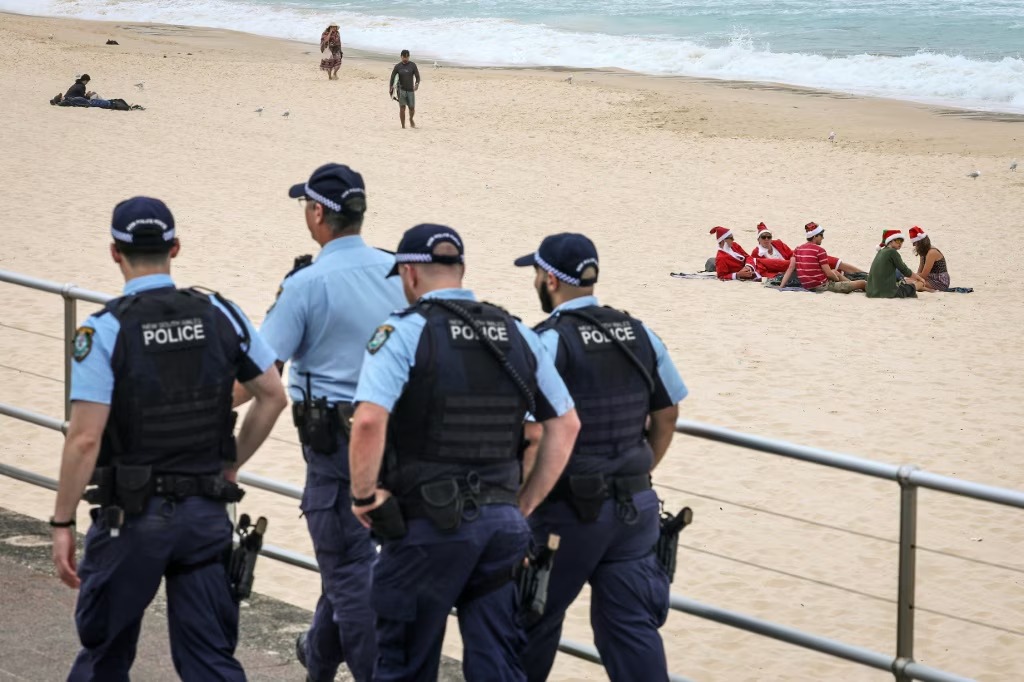
For weeks, the mood along Bondi Beach has been heavy. One of Australia’s most iconic stretches of sand became the scene of the country’s deadliest mass shooting in three decades. Now, after sustained public pressure, the federal government has confirmed a royal commission into the attack that left 15 people dead and shattered a sense of safety many Australians took for granted.
Prime Minister Anthony Albanese announced the inquiry, saying the decision was guided by the need for unity and healing at a time when emotions across the country remain raw.
From public grief to political pressure
The December 14 attack targeted Jewish families gathered near the beach for a Hanukkah celebration. Police allege it was an ISIS-inspired assault carried out by Sajid Akram and his son Naveed. Sajid Akram was shot dead by police during the attack. Naveed Akram, an Australian citizen, remains in custody and has been charged with terrorism and 15 counts of murder.
In the days that followed, memorials filled Bondi’s promenade. Flowers, candles, and handwritten notes became a familiar sight. Beyond the shoreline, frustration grew. Victims’ families, business leaders, athletes, and prominent academics signed open letters demanding a full and transparent investigation.
At first, the prime minister resisted calls for a royal commission, insisting the focus should be on urgent action. As pressure mounted, that stance softened.
What the Royal Commission will examine
A royal commission is the highest form of government inquiry in Australia. It has the power to compel witnesses, hold public hearings, and scrutinise failures across multiple agencies. These inquiries can run for years and often lead to sweeping reforms.
The Bondi Beach commission will examine intelligence and policing failures, the handling of warning signs, and the wider rise of antisemitism in Australia. It will also absorb a separate review into security agencies that was already underway and due to report in April.
The inquiry will be led by Virginia Bell, a former High Court judge widely respected for her independence and experience.
Intelligence warnings under scrutiny
One of the most difficult questions surrounds what authorities knew before the attack. Naveed Akram was flagged by Australia’s intelligence agency in 2019 but later assessed as posing no imminent threat and slipped off monitoring systems.
That decision is now under intense examination. Police and intelligence leaders face public demands to explain whether intervention could have happened earlier and whether systemic gaps allowed the threat to go unchecked.
In December, Australian Federal Police Commissioner Krissy Barrett said there was no evidence the alleged attackers were part of a broader terror cell or directed by others. Investigators believe they acted alone, despite travelling to the southern Philippines weeks before the shooting.
A national reckoning on antisemitism
Beyond security failures, the attack has triggered a deeper national conversation. Australia’s special envoy to combat antisemitism, Jillian Segal, has warned that anti-Jewish prejudice has been building for years, often unnoticed or minimised.
For many Jewish Australians, the shooting felt like a turning point. Anger over the failure to protect communities has spilled onto social media, where calls for accountability and stronger protections have dominated public debate.
The royal commission is expected to examine how hate speech and extremist ideology have been allowed to grow and what changes are needed to protect all Australians.
Gun laws back in the spotlight
The government has already moved to tighten firearms controls. A sweeping national gun buyback scheme was announced in December, aimed at reducing the number of weapons in circulation. It is the largest such program since 1996, when Australia overhauled its gun laws after the Port Arthur massacre.
For many Australians, the timing feels painfully familiar. Once again, tragedy has forced a reckoning on public safety, social cohesion, and the limits of existing systems.
As the royal commission begins its work, the country waits. For families who lost loved ones at Bondi Beach, the hope is simple. Those answers will finally come, and the lessons learned will prevent another summer day from ending in the same way.
Follow Joburg ETC on Facebook, Twitter, TikT
For more News in Johannesburg, visit joburgetc.com
Source: IOL
Featured Image: The Australian


