News
No Room at the Inn: A Single Mother’s Story Highlights Cape Town’s Crushing Housing Squeeze
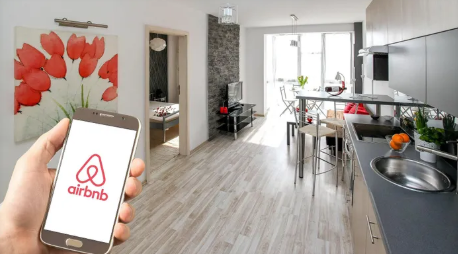
Alexander Hayes thought she had found a safe harbora small garden cottage in Heathfield, Cape Town, where she could raise her two-year-old. That fragile stability shattered when her landlord informed her the cottage was being converted into an Airbnb. Now, the 30-year-old single mother is homeless, moving between friends’ couches, a personal face on a city-wide emergency.
“I was living in a little cottage on someone’s premises because it was all I could find,” Hayes told IOL. “The owner said I had to move because they were turning it into an Airbnb.”
Her story is not an anomaly. It is a direct consequence of Cape Town’s deepening housing crisis, where skyrocketing rents, stagnant wages, and the unchecked proliferation of short-term holiday rentals are systematically pushing low- and middle-income residents out of the market.
The Data Behind the Displacement
The numbers tell a ruthless story. Statistics SA confirms housing costs have far outpaced wage growth over the past decade. The City of Cape Town acknowledges a critical shortage of affordable rental stock, especially for households earning under R22,000 a month.
Research from the African Centre for Cities reveals the scale of the conversion: thousands of long-term rental units in Cape Town have been transformed into short-term listings over the last five years, “actively displacing working-class residents.” This trend clusters in southern and central suburbs, including parts of the Cape Flats, where the need for affordable housing is most desperate.
“A Real Housing Crisis”: The Industry Perspective
Christina Masureik, owner of South Seas Properties and a member of the SA Short Term Rental Association, agrees the city is in “a real housing crisis.” She cites a 30% population growth since 2011 and a housing backlog of roughly 400,000 households as foundational pressures.
“The city’s population has grown by almost 30% since 2011, and the number of households has grown even faster,” Masureik states. “That puts huge pressure on housing supply, especially in well-located areas.”
She concedes that in high-demand areas, short-term rentalsthe majority of which are entire homes, not spare rooms”directly compete with the long-term rental market,” tightening supply and driving up rents.
For Alexander Hayes and countless others, this “competition” has a human cost. The promise of tourist income for property owners translates into eviction notices and instability for residents. As Cape Town’s global appeal grows, the question becomes: who is the city for? The current trajectory suggests paradise is being priced, and rented, out of reach for those who call it home.
Follow Joburg ETC on Facebook, Twitter , TikTok and Instagram
For more News in Johannesburg, visit joburgetc.com