News
As Global Giants Retreat, a State Player Steps into the Breach
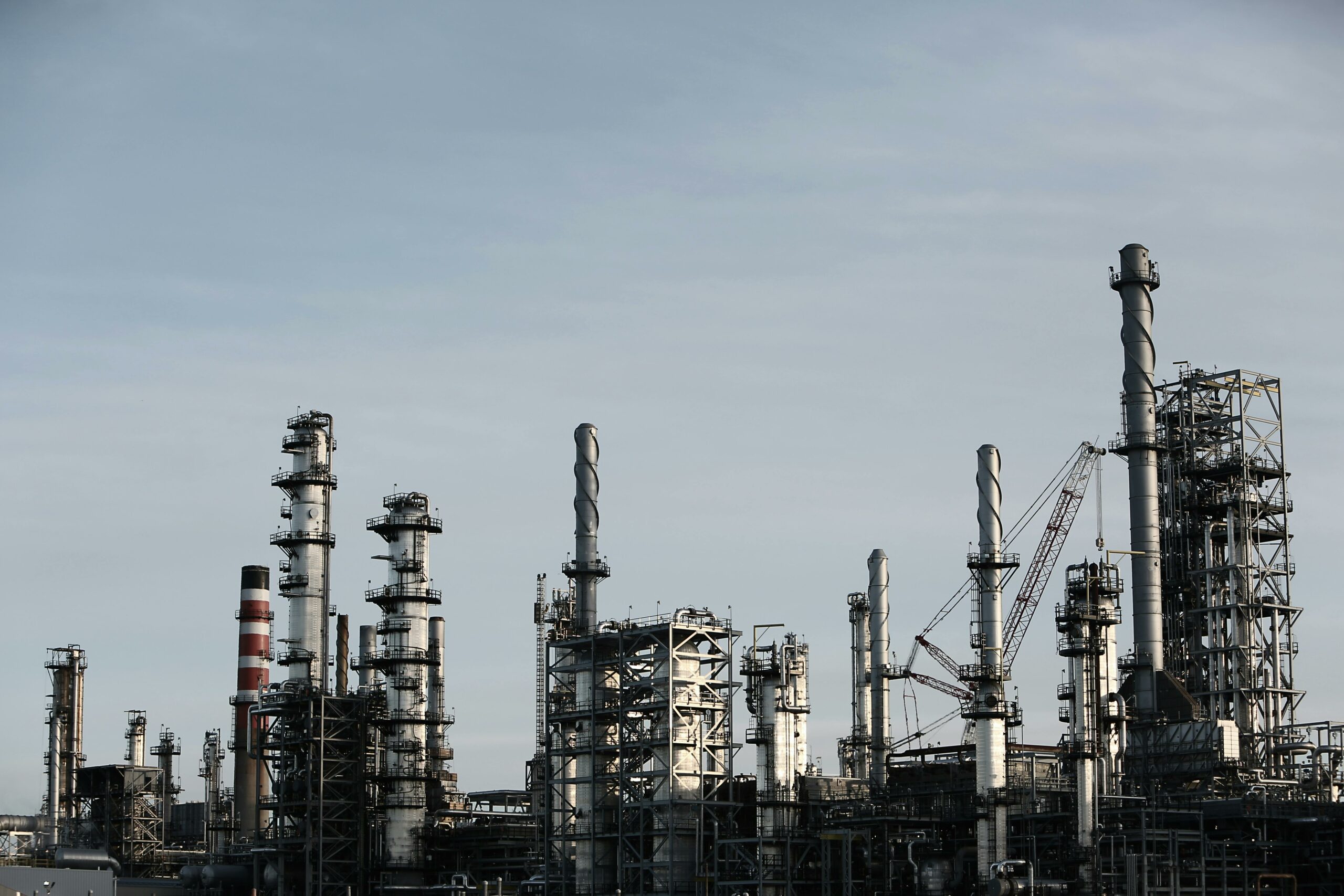
A quiet but significant shift is taking place in the backbone of South Africa’s energy sector. As international oil majors like Shell scale down their local operations, they are turning to an unlikely buyer: the state. The Central Energy Fund (CEF), a government-owned entity, is actively positioning itself as the buyer of last resort for critical fuel infrastructure, aiming to prevent gaps in national supply and secure a stronger foothold in the downstream market.
CEF’s Acting Group CEO, Sifiso Msabala, laid out the strategy to Parliament, revealing that several oil companies have approached the entity “knocking at our doors” to offload assets. “The State cannot be caught in a situation where the assets are not attended to as we will be the last resort for fuel,” Msabala stated. He emphasised that the CEF’s strategy is to acquire these assets without paying a premium, a move framed as both defensive and opportunistic.
From Vulnerability to Control: The Downstream Ambition
The push is driven by a stark vulnerability. Msabala highlighted that the CEF’s current 15% allocation at the crucial Island View Terminal in Durbanwhich handles 70% of national fuel volumesis a “big challenge.” Without a stronger market presence, state-owned PetroSA struggles to move product. “We have products sitting in tanks and if the majors don’t pick up, then it means we don’t have a business,” he admitted.
The solution, according to the CEF, is a two-pronged approach: absorb the exiting majors’ distribution assets and resurrect and expand refinery capacity. The crown jewel in this plan is the Sapref refinery in Durban. Msabala revealed ambitious plans not just to restart the flood-damaged facility but to dramatically scale it upfrom 180,000 barrels per day to 400,000 barrels per day, leveraging available land to build a far more substantial plant.
Beyond Liquid Fuel: Unlocking the Gas Cliff
The CEF’s vision extends beyond petrol and diesel. Msabala reported significant progress on the Komati gas-to-power project, a key component in addressing the country’s energy crisis. The entity has already secured 800MW of gas through the ROMPCO pipeline from Mozambique and has an additional power purchase agreement for 1,000MW. This is part of a plan to address the impending “gas cliff” and unlock critical investment on the Mozambican side, where engagements have reportedly been positive.
A High-Stakes Gambit for Energy Sovereignty
This positioning by the CEF represents a high-stakes gambit. On one hand, it could lead to greater state control over strategic national energy assets, reducing reliance on capricious international firms and bolstering fuel security. On the other, it places immense operational and financial pressure on a state-owned entity with a mixed track record, requiring it to successfully manage and expand complex, capital-intensive infrastructure.
As the global oil giants slowly disengage, South Africa’s energy future is increasingly being shaped by a state fund preparing to catch what they let go. The success of this strategy will determine not just the balance sheets of the CEF, but the stability and cost of the fuel that powers the nation’s economy.
Follow Joburg ETC on Facebook, Twitter , TikTok and Instagram
For more News in Johannesburg, visit joburgetc.com