News
A Red Line in the Caribbean: China’s Bold Stand with Cuba Against US Pressure
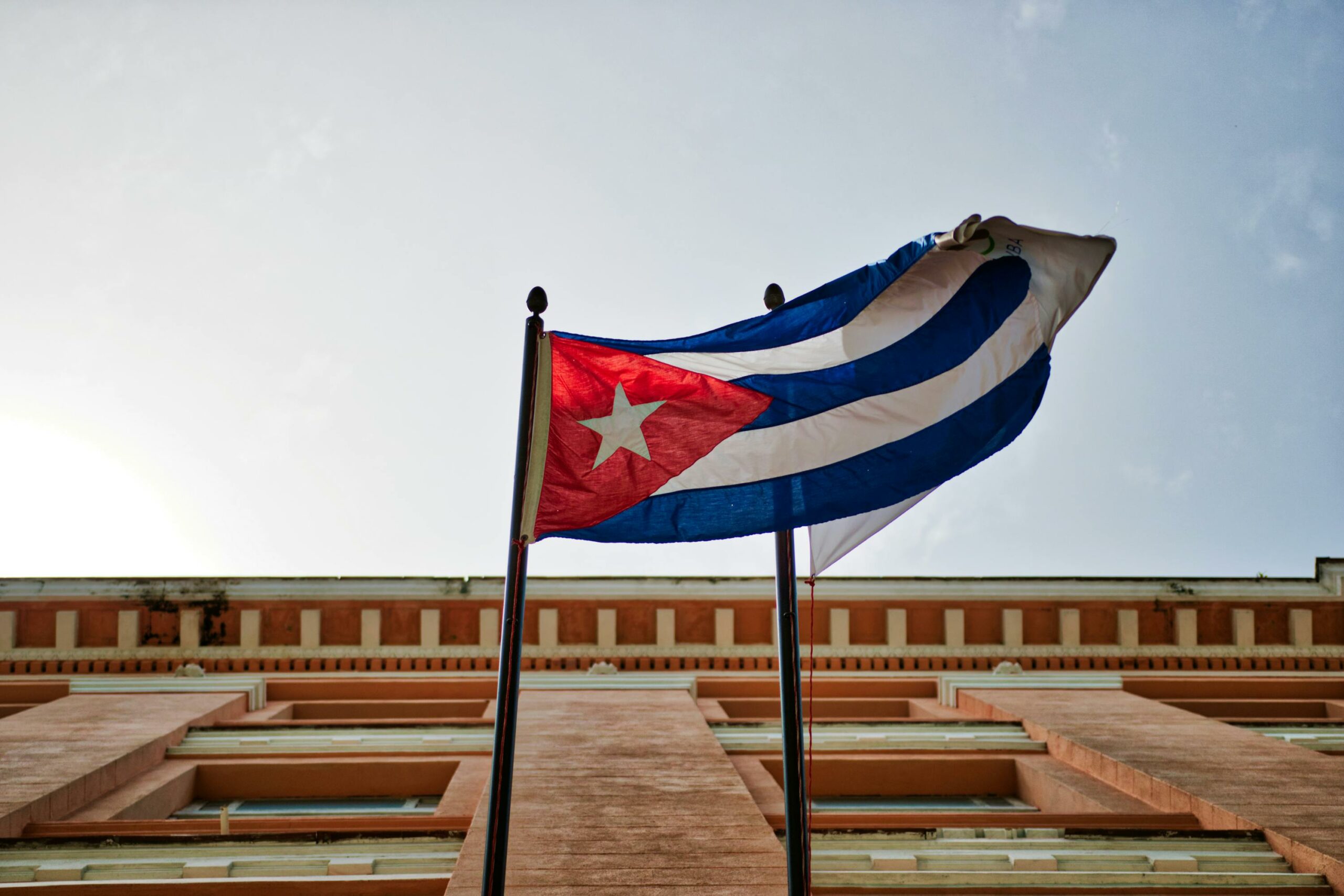
Beijing has drawn a sharp, unambiguous line in the sand. In a high-stakes meeting that signals deepening global fractures, Chinese Foreign Minister Wang Yi stood firmly with his Cuban counterpart, Bruno Rodríguez Parrilla, declaring China’s “firm support” for Cuba’s sovereignty against what it calls “unwarranted interference.”
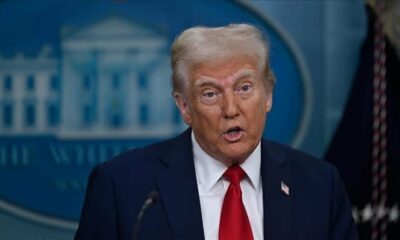
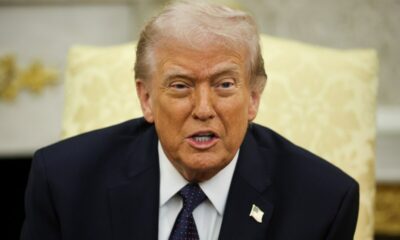
This powerful show of solidarity comes directly on the heels of a provocative move from Washington. Just last week, US President Donald Trump declared a national emergency regarding Cuba, labeling its socialist government a direct security threat for its ties to Russia, China, Iran, Hamas, and Hezbollah. “The United States has zero tolerance for the depredations of the communist Cuban regime,” his executive order stated.
For Cuba, a nation long accustomed to the weight of American pressure, China’s backing is a critical geopolitical counterbalance. Parrilla emphasized the “special and strategic nature” of their bonda clear message that Havana is not isolated.
The Havana-Beijing Axis: More Than Symbolic
China’s pledge to support Cuba “to the best of its ability” extends beyond diplomatic talk. It represents a potential lifeline in trade, investment, and technology, helping to insulate the island nation from the chilling effect of US sanctions and accusations. This alliance is a cornerstone of a broader vision: a multipolar world where socialist nations and the Global South can operate outside Washington’s orbit.
Cuban President Miguel Díaz-Canel swiftly rejected Trump’s allegations. “Cuba is not a terrorist country… We do not protect terrorists,” he asserted, while leaving the door open for unconditional dialogue with the USa offer that currently seems distant.
A Pattern of Pressure: The Wider Latin American Canvas
The US-Cuba confrontation is not happening in a vacuum. It reflects a resurgent, aggressive US posture toward left-wing governments in Latin America. The shocking abduction of Venezuelan President Nicolás Maduro by US commandos last month sent a tremor across the region, demonstrating a willingness to take unprecedented military and judicial action.
While US Secretary of State Marco Rubio has issued threats toward Nicaragua and Colombia, the latter’s President Gustavo Petro recently experienced a surprisingly cordial White House meeting with Trump. This inconsistency highlights a US strategy that appears to mix confrontation with selective engagement, aiming to fracture regional unity.
What This Means for a Divided World
The Beijing meeting is a strategic chess move. For China, it reinforces its role as a protector of nations opposing Western hegemony. For Cuba, it provides essential political and economic breathing room. For the United States, it represents a defiant challenge to its traditional dominance in its own hemisphere.
We are witnessing the hardening of old Cold War fault lines, but with new players and higher stakes. The Caribbean has once again become a cockpit for great power rivalry, where declarations of support and accusations of terrorism are the opening moves in a much larger game. The world is not yet divided into clear blocs, but as such meetings show, the trenches are being dug.
{Source: IOL}
Follow Joburg ETC on Facebook, Twitter , TikTok and Instagram
For more News in Johannesburg, visit joburgetc.com