Warships and Warnings: Why Chinese and Iranian Naval Drills in SA Are Raising Global Eyebrows
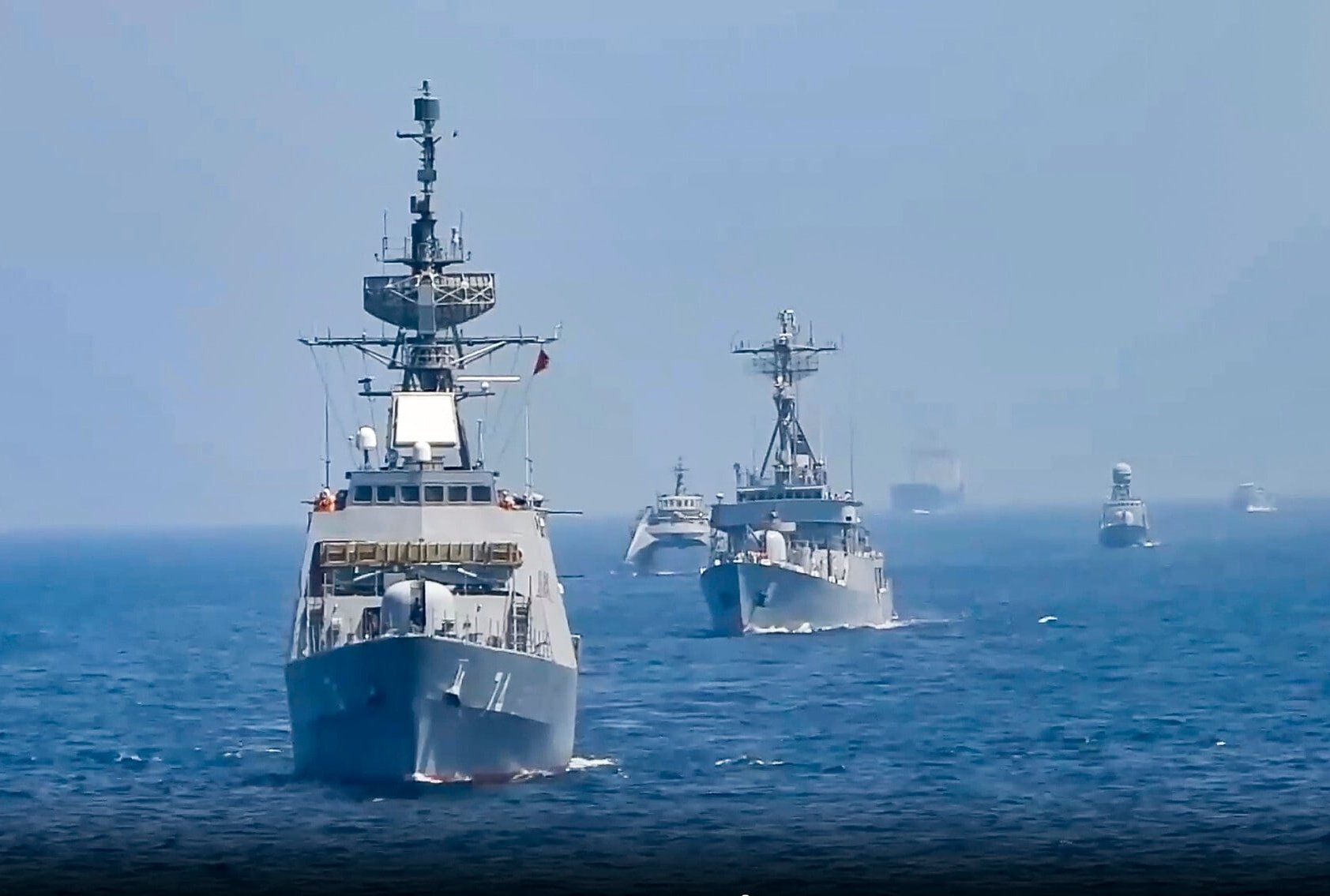
South Africa’s coastline has once again become a stage for global geopolitics. This week, Chinese and Iranian warships arrived in local waters ahead of a multinational naval exercise that has already sparked unease abroad and sharp debate at home.
The drills, known as Will for Peace 2026, are scheduled to run from 9 to 16 January and are being led by China, with the South African National Defence Force (SANDF) saying the exercise is focused on protecting maritime trade routes and strengthening naval cooperation.
But the choice of partners and the timing, has raised difficult questions about where Pretoria really stands in an increasingly polarised world.
What’s Happening in South African Waters
A Chinese destroyer docked at Simon’s Town naval base earlier this week, confirming Beijing’s leading role in the exercise. Meanwhile, ship tracking and social media posts have shown a Russian frigate and supply vessel heading south along Africa’s west coast towards Cape Town.
On Thursday, 8 January, the IRIS Makran, a large Iranian forward base ship capable of acting as a floating command and logistics hub, was also spotted near Simon’s Town.
While the SANDF has not released a full list of participating nations, the confirmed presence of China, Iran and Russia has been enough to trigger diplomatic alarm bells particularly in Washington.
Why the US Is Watching Closely
The drills come at a sensitive moment in US–South Africa relations. Since President Donald Trump’s return to the White House, Pretoria’s ties with Washington have remained strained, especially over South Africa’s role in BRICS and its relationships with countries viewed by the US as strategic adversaries.
Trump has repeatedly accused BRICS nations of advancing agendas hostile to American interests. South Africa’s engagement with Iran, in particular, has long been a point of friction.
This isn’t unfamiliar territory. In 2023, Pretoria faced sharp criticism from the US and the European Union after hosting BRICS naval exercises that coincided with the first anniversary of Russia’s invasion of Ukraine.
Non-Alignment Under Pressure at Home
Back home, opposition parties are asking whether South Africa’s actions match its words.
The Democratic Alliance (DA) has warned that involving Russia and Iran undermines the government’s claim of non-alignment. Defence spokesperson Chris Hattingh argued that South Africa’s foreign and defence policy should not be reshaped through military exercises that contradict its stated neutrality and risk harming its global standing.
On South African social media, reactions have been mixed. Some users see the drills as a natural extension of South–South cooperation and BRICS solidarity, while others worry the country is drifting into geopolitical battles that could carry economic and diplomatic consequences.
A Familiar Balancing Act
South Africa’s foreign ministry has declined to comment, directing questions to the defence force, with a military briefing expected later this week.
For many observers, the real story isn’t just about warships in the harbour it’s about South Africa’s increasingly delicate balancing act. The country is trying to deepen strategic ties in the Global South while still relying heavily on trade, investment and diplomacy with Western partners.
Whether Will for Peace 2026 strengthens South Africa’s global influence or further complicates its relationships remains to be seen. What’s clear is that Pretoria’s claim of non-alignment is being tested not in theory, but in very visible waters just off its own shores.