News
‘We’re stretched to breaking point’: Crime Intelligence boss speaks out on staffing freeze
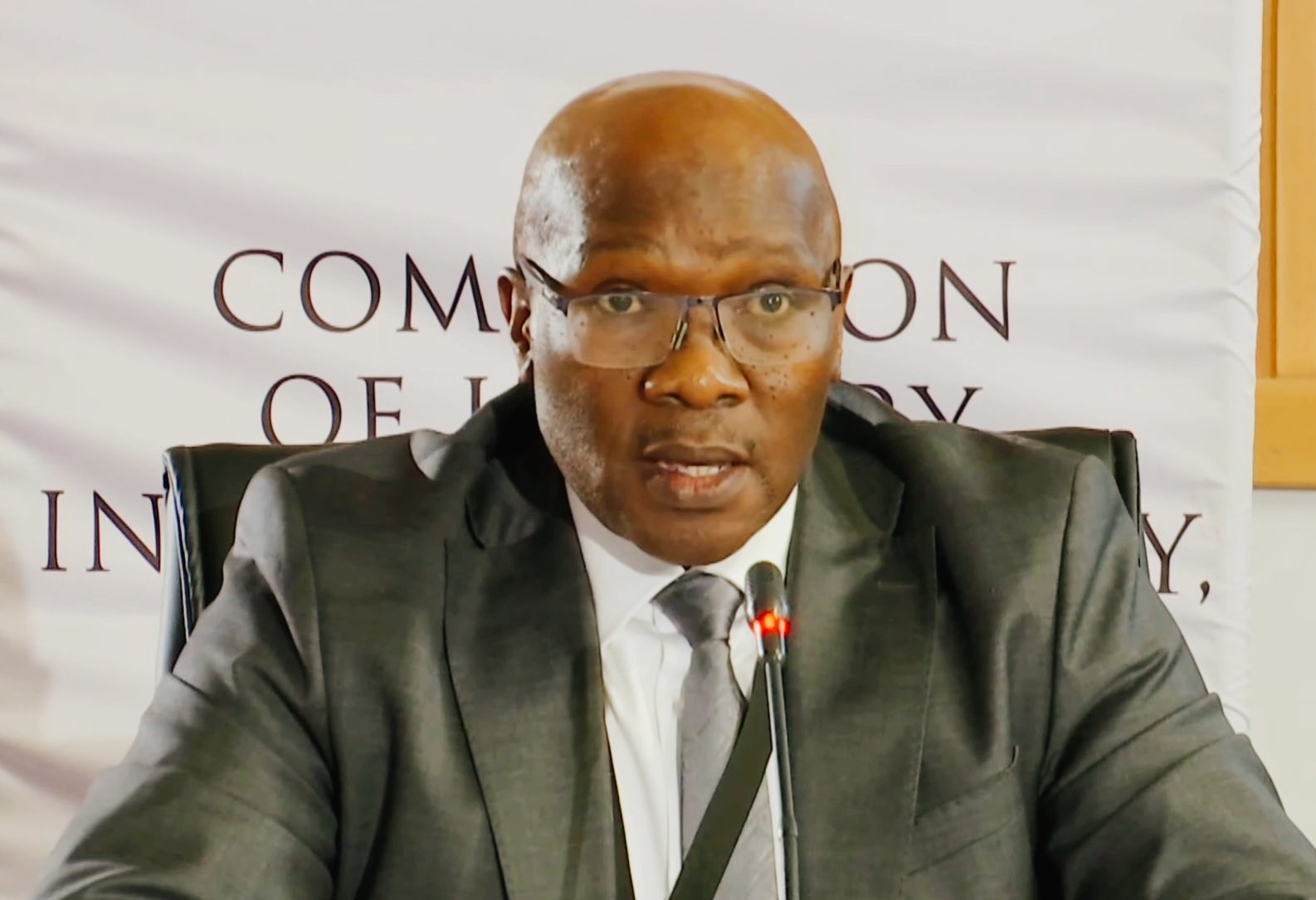
‘We’re stretched to breaking point’: Crime Intelligence boss speaks out on staffing freeze
Behind the closed doors of Parliament this week, a rare and revealing picture emerged of a division many South Africans only hear about when things go wrong.
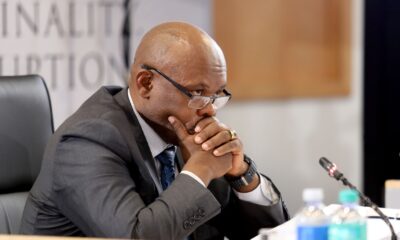
Crime Intelligence head Dumisani Khumalo told MPs that his unit is buckling under the weight of critical vacancies a situation he says was made worse by a directive from Police Minister Senzo Mchunu halting the filling of senior posts.
“We are working 24/7,” Khumalo said bluntly. “Not because we want to, but because we have to fill gaps that shouldn’t exist.”
Ad Hoc Committee on Lt Gen Mkhwanazi’s Allegations – we are back after the lunch break with Lt Gen Dumisani Khumalo. @ParliamentofRSA @HealthSocClust @SAPoliceService @DOJCD_ZA @NPA_Prosecutes @FinanceCluster @DefenceCluster pic.twitter.com/InOlD3f8s9
Justice-and-security-Cluster (@JustSecuCluster) January 15, 2026
A letter that landed hard
At the centre of Khumalo’s frustration is a letter issued by Mchunu on 31 December 2024, instructing National Police Commissioner Fannie Masemola to halt the filling of vacant positions and immediately disband the political killings task team (PKTT).
Although the instruction wasn’t addressed directly to him, Khumalo told Parliament it had a direct and damaging effect on his division.
The timing, he said, couldn’t have been worse. Crime Intelligence was already carrying four vacant provincial head positions, along with several senior management gaps at national level. Two rounds of advertised senior posts were stopped in their tracks.
Today, four provinces have no provincial Crime Intelligence heads at all. At national office level, two key components are still leaderless.
“You end up firefighting”
Khumalo appeared before Parliament’s ad hoc committee in Cape Town on Thursday, adding to testimony he previously gave at the Madlanga Commission of Inquiry, which is probing political interference, corruption and criminality in the justice system.
He told MPs that the staffing freeze has hit operational effectiveness hard, especially in specialist areas like cybercrime, which he described as critical and long overdue for reinforcement.
“When leadership posts are vacant, you don’t plan, you firefight,” he said, explaining that remaining managers are forced to absorb extra responsibilities simply to keep the system running.
Answering critics about his background
Khumalo, who joined SAPS in 1991, also used the opportunity to address criticism about his lack of traditional detective experience, a point that has surfaced repeatedly in public debate.
He told MPs his strength lies in operational coordination rather than case work.
“When you are coordinating operations, you are like a choir conductor,” he said. “You must be able to sing and direct all parts of the choir.”
That approach, he argued, allowed him to interpret and implement operational plans across units, a skill he believes is essential in intelligence-led policing.
Cleaning up a troubled division
Khumalo painted a picture of a Crime Intelligence division he says was deeply troubled when he took over in late 2022.
There were complaints from operational SAPS units that intelligence services weren’t delivering. Policies were outdated, legal frameworks misaligned, and the division was operating, in his words, “like it was serving its own purpose”.
He detailed problems ranging from misuse of state vehicles to weak financial and human resource controls. Some senior officials, he said, had unlawfully benefited from vehicle allocations, amounting to fraud.
There were also irregular appointments of family members and friends, issues that had already surfaced during the Zondo Commission.
Khumalo confirmed that efforts to remove “ghost workers” are ongoing, describing the process as a painstaking hunt to identify and dismiss individuals drawing salaries without reporting for duty.
Public reaction: concern, not surprise
On social media, Khumalo’s comments have sparked concern rather than shock. Many South Africans say the testimony explains why intelligence failures so often come up after major crimes.
Others questioned how a division tasked with preventing serious crime can function without provincial heads and cyber specialists, particularly at a time when organised crime and political violence remain persistent threats.
Khumalo told MPs that Commissioner Masemola has assured him the frozen posts will be re-advertised “soon”. For now, however, the reality on the ground remains unchanged.
For a division meant to operate quietly in the background, Crime Intelligence is once again in the spotlight this time not for what it missed, but for how thinly stretched it has become.
And as Khumalo made clear, the cost of those gaps isn’t just exhaustion among senior staff, it’s a risk the country can ill afford.
{Source: The Citizen}
Follow Joburg ETC on Facebook, Twitter , TikTok and Instagram
For more News in Johannesburg, visit joburgetc.com