News
Why South Africa Is Still Waiting For Police Body Cameras As Shootouts Mount
A Promise That Keeps Slipping
South Africa was told to expect police officers wearing body cameras by 2025. Instead, it is now 2026, and the silence around the rollout is growing louder.
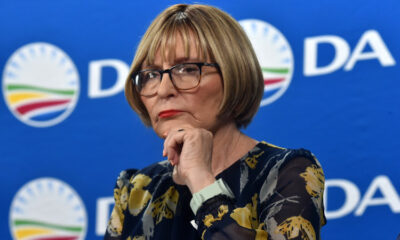
The Democratic Alliance has formally called on the Parliament of South Africa to urgently summon the Ministry of Police for answers. The party says repeated commitments around body worn cameras have not translated into action, even as police shootings continue to dominate headlines.
According to the DA, the absence of clear timelines or updates is no longer just a bureaucratic issue. It has become a credibility problem.
Deadly Encounters Raise The Stakes
The demand comes against a backdrop of rising and often fatal confrontations involving the South African Police Service. In provinces like KwaZulu-Natal, shootouts between police and suspects have sparked public debate, social media outrage and unanswered questions.
Without body camera footage, every incident quickly turns into a battle of versions. Communities want to know who fired first. Families want proof. Police officers want their actions understood in context.
This is where body worn cameras are seen as a potential game changer.
Parliament Heard One Story
DA NCOP member Mzamo Billy says lawmakers were informed in late 2024 that body cameras were being procured, with deployment expected from April 2025.
Nearly a year later, there has been no official update. No confirmation of purchases. No explanation of delays. No revised rollout plan.
Billy says repeated requests for clarity have gone unanswered, leaving Parliament and the public in the dark.
Why Cameras Matter Beyond Policing
Globally, body cameras have been shown to reduce complaints against officers and increase trust between police and communities. The DA argues this is not about policing the police, but about protecting everyone involved.
Footage can help investigators from bodies like the Independent Police Investigative Directorate establish facts quickly. It can also shield officers from false accusations while holding wrongdoers accountable.
On South African social media, many users echo this view, saying cameras could calm tensions after high risk operations and reduce speculation before investigations are complete.
Cost Is Not A Convincing Excuse
The DA acknowledges that body cameras require investment, data storage and training. But the party insists these challenges pale in comparison to the cost of eroding public trust.
Each controversial shooting without footage fuels suspicion, regardless of whether officers acted lawfully. Cameras, the DA argues, would strengthen the credibility of police accounts instead of weakening them.
Pressure Mounts On Police Leadership
The party is now renewing its call for the police minister to appear before Parliament and explain what went wrong, what obstacles remain, and when South Africans can realistically expect officers to wear body cameras.
Until that happens, the DA warns that ongoing delays risk deepening mistrust at a time when confidence in law enforcement is already fragile.
For a country grappling with violent crime and strained police community relations, the question is becoming harder to ignore. How much longer can South Africa afford to wait for transparency that was promised years ago?
{Source:EWN}
Follow Joburg ETC on Facebook, Twitter , TikTok and Instagram
For more News in Johannesburg, visit joburgetc.com