Should board members of state-owned enterprises earn millions while their entities bleed billions?
Organisation Undoing Tax Abuse (Outa) says noand has released a report arguing that SOE board salaries should be linked to performance.
The Numbers
Examining just three SOEsEskom, Transnet, and South African Airways (SAA) Outa found that R520 billion had been spent on taxpayer-funded bailouts since 2008.
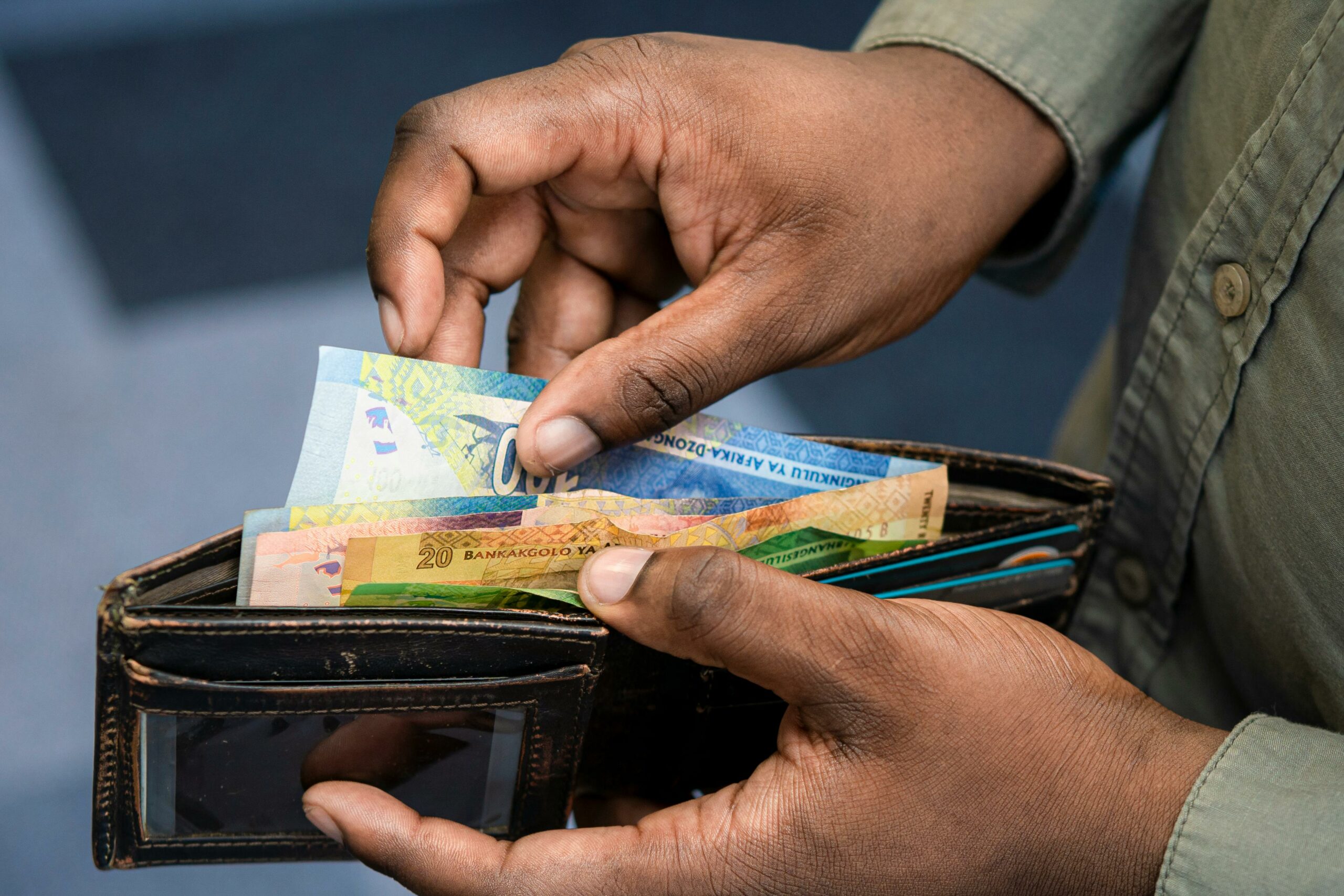
While these SOEs were haemorrhaging funds, board members were pocketing up to R2 million a yearexcluding bonuses, travel allowances, and high-end perks.
The Argument
Outa insists that pay structures “remain inconsistently transparent and vulnerable to political influence” and suggests linking SOE board salaries to observable standards.
“This is not about cutting pay for the sake of optics. It is about linking remuneration to clear, measurable outcomes. If performance declines, pay must reflect that reality,” said Outa Parliamentary Project Manager Robyn Pasensie.
The Comparison
Outa measured South Africa’s SOE governance against public sectors in New Zealand, India, and Canada.
South Africa scored low in all departments.
Outa concluded that ministerial and board discretion in South African SOEs makes remuneration decisions comparable to political events.
The Transparency Gap
On transparency and accountability, Outa suggests replicating Canada’s system, which prevents the “inconsistent, often delayed, and sometimes incomplete” reporting structure in South Africa.
“Canada’s open government model, which mandates public access to real-time remuneration data, demonstrates how transparency strengthens accountability and public trust.”
The Bigger Picture
South Africa has at least 120 SOEs and smaller bodies funded by and answerable to government.
Outa acknowledges that focusing on three SOEs doesn’t paint the whole picture, but is still “illustrative of systemic governance failures.”
Following bailouts:
-
Eskom has all but eliminated load shedding
-
Transnet has kick-started freight logistics through public-private partnerships
-
SAA remains in limbo after a failed 51% sale to a private consortium
The Goal
Outa will use this data to create targeted, decisive legislative proposals and engage with parliamentary bodies throughout 2026.
The ultimate goal: protect public funds by closing governance loopholes and ensuring strict consequence management.
“If boards are rewarded despite institutional failure, we entrench decline. If we align pay with performance and accountability, we send a different message. Deliver, or step aside.”
“Remuneration reform is not a technical exercise. It goes to the heart of fiscal stability and constitutional governance,” Pasensie stated.
The Bottom Line
R520 billion in bailouts. Millions in board salaries. Little connection between the two.
Outa’s message is simple: link pay to performance. If you deliver, you’re rewarded. If you fail, you step aside.
It’s a radical ideabut one that might just save South Africa’s SOEs.