News
“We Lost One of Our Own”: DJ Warras’ Death Sparks Grief, Anger and a Call to March
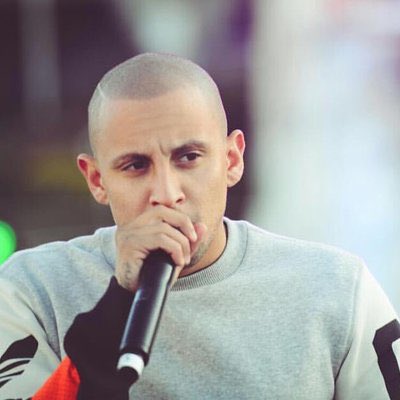
A nation shaken by a familiar kind of loss
South Africa is once again mourning a voice that refused to stay quiet.
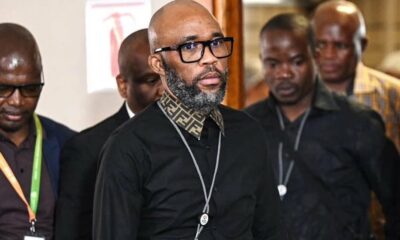
The killing of Warrick Stock, known to many as DJ Warras, has sent shockwaves through activist circles, inner-city communities and social media timelines across the country. Shot dead on Tuesday, Warras’ death has become more than a crime story, it has reopened raw conversations about safety, accountability and the cost of speaking out.
As tributes continue to pour in, plans are now underway for a Black Friday March on 19 December, organised in his honour.
More than music: who DJ Warras was to his supporters
While widely recognised as a DJ, Warras had built a second identity as an outspoken activist. He was known for publicly challenging the hijacking of buildings and what he described as organised criminal networks operating in South Africa’s inner cities.
To his supporters, he wasn’t just commenting from the sidelines, he was confronting issues many feel authorities have failed to address decisively. That outspokenness, some believe, put him directly in harm’s way.
Police have not yet confirmed a motive or made arrests, but the lack of clarity has only deepened public anxiety.
A march born from grief and defiance
Political activist and podcaster Jacinta Mangobese Zuma has announced plans for a Black Friday March to honour Warras’ life and legacy. The event, scheduled for 19 December, is expected to draw attention not only to his killing but also to broader concerns around crime, governance and activist safety.
Mangobese Zuma said logistical details are still being finalised, with compliance processes currently underway. Routes and gathering points will be communicated once approvals are secured.
Organisers describe the march as a peaceful but firm demonstration, a moment of remembrance and a demand for answers.
Gayton McKenzie’s remarks ignite national debate
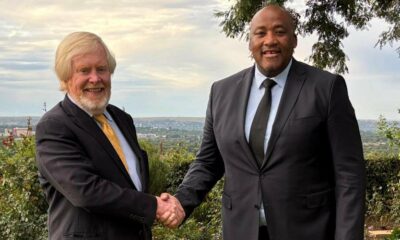
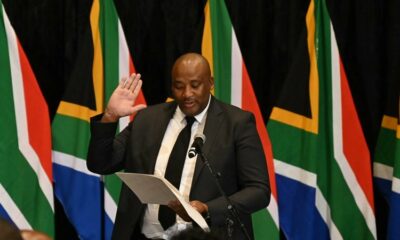
The killing has also drawn a strong reaction from Sport, Arts and Culture Minister Gayton McKenzie, who did not hide his anger.
“We lost one of our own,” McKenzie said, linking Warras’ activism against hijacked buildings to what he believes may be behind the killing. He went further, claiming illegal foreign nationals were responsible, comments that have since ignited intense debate online.
While some South Africans echoed his frustration, others cautioned against drawing conclusions before police complete their investigation.
The remarks have highlighted how quickly grief in South Africa turns into polarised political debate, especially when crime, immigration and urban decay intersect.
Social media: grief, fear and unanswered questions
Across social platforms, reactions have been emotional and divided. Many users have posted tribute videos, photos and messages describing Warras as fearless and committed. Others have expressed fear, asking who will speak out next and at what cost.
What unites most reactions is a shared frustration: a sense that violent crime continues to claim lives with little consequence, and that those who challenge powerful interests are often left exposed.
For now, the investigation into DJ Warras’ murder continues, with few confirmed details available. His supporters are preparing to take to the streets, while the rest of the country waits for answers.
Whether the planned march becomes a turning point or another moment of collective mourning remains to be seen. What is certain is that DJ Warras’ death has struck a nerve, far beyond music, far beyond activism, tapping into a deep national fear that speaking up in South Africa can still come at the highest price.
{Source: The Citizen}
Follow Joburg ETC on Facebook, Twitter , TikTok and Instagram
For more News in Johannesburg, visit joburgetc.com