News
From Luxury To Lockdown: How War Has Silenced Dubai Almost Overnight
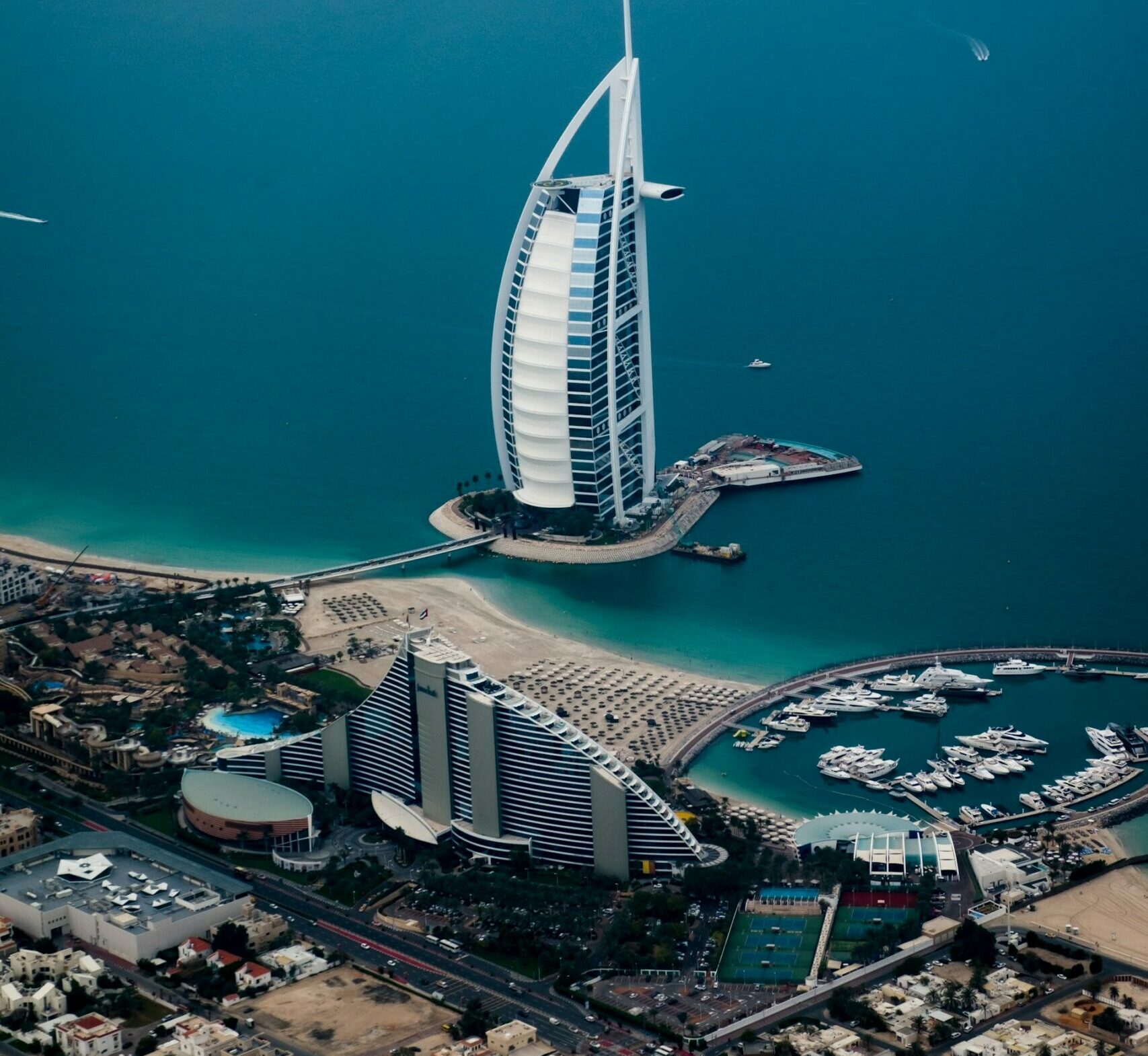
For years, Dubai has sold the world a dream. Think rooftop infinity pools, late-night shopping sprees and beaches lined with sun loungers stretching into the horizon. But in just a matter of weeks, that image has shifted dramatically.
What was once one of the world’s most vibrant tourist playgrounds is now being described as eerily quiet, as conflict in the region begins to reshape daily life in the United Arab Emirates.
A City Known For Excess Falls Quiet
Dubai has built its reputation on movement. Planes landing every few minutes, malls buzzing until midnight, beach clubs filled with music and laughter. That rhythm has now been disrupted.
As the conflict enters its third week, large parts of the city have slowed to a near standstill. Popular tourist hotspots, usually packed with international visitors, are sitting empty. Beachfront venues have rows of untouched loungers, while pools that once hosted global travellers now lie still.
The change has been so stark that some observers are calling Dubai a “ghost town”, a phrase that would have seemed unthinkable just weeks ago.
Tourism Takes A Heavy Knock
Tourism is the lifeblood of Dubai’s economy, much like Cape Town’s summer season or Durban’s festive rush. When that flow stops, the impact is immediate.
Theme parks have shut their doors, and major attractions have scaled back operations. Hotels, which once commanded premium prices year-round, are now slashing rates in an attempt to fill rooms.
For a city that thrives on luxury and experience-driven travel, the sudden drop in visitors is more than just a temporary inconvenience. It signals a deeper disruption to an economy built on global confidence.
Air Travel Disrupted As Security Risks Rise
One of the clearest signs of the crisis has been the repeated closure of Dubai’s airport, long considered one of the busiest international hubs in the world.
Flights have been halted again following nearby drone activity, raising concerns about passenger safety and regional airspace security. For many travellers, Dubai is a key transit point between continents, making these disruptions ripple far beyond the Middle East.
It’s a reminder of how quickly global travel networks can be affected when geopolitical tensions escalate.
The Scale Of The Conflict
The situation has intensified rapidly. Reports indicate that more than 1,800 missiles and drones have been launched at the UAE, placing the country directly in the firing line.
Dubai, often viewed as a safe and neutral luxury destination, is now experiencing the realities of a conflict that shows little sign of slowing down.
There is growing concern that this is not a short-term crisis. Analysts suggest the conflict could stretch on, with no immediate resolution in sight.
A Stark Shift In Global Perception
Dubai has always marketed itself as a place removed from instability. A controlled, polished environment where the outside world felt distant.
That perception is now being tested.
For travellers, investors and even residents, the current moment raises difficult questions about safety, stability and how quickly things can change. It also highlights how interconnected global cities are, where distant conflicts can suddenly feel very close.
For South Africans who frequently travel through Dubai or view it as a benchmark for luxury tourism, the shift is particularly striking. It serves as a reminder that even the most carefully curated global destinations are not immune to the realities of geopolitics.
And for now, the city of lights is dimmer than it has been in decades.
{Source:EWN}
Follow Joburg ETC on Facebook, Twitter , TikTok and Instagram
For more News in Johannesburg, visit joburgetc.com