News
East London and Graaff-Reinet to change names along with 21 other towns
A shift decades in the making
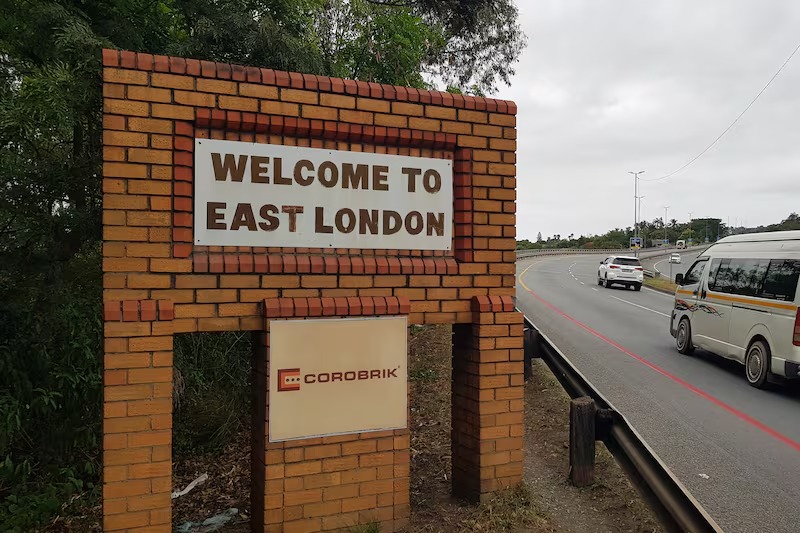
For many South Africans, town names are more than lines on a map. They are daily reminders of whose history was honoured and whose was ignored. That long-running tension surfaced again this week after confirmation that East London and Graaff-Reinet are among 21 towns and places approved for renaming across the country.
East London will officially become KuGompo City, while Graaff-Reinet is set to be renamed Robert Sobukwe Town. The changes were signed off by Minister of Sport, Arts and Culture Gayton McKenzie and are expected to be gazetted in the coming weeks.
Once gazetted, the new names become legally recognised, marking a formal end to the public consultation process that has stretched across several provinces.
What the approval actually means
The South African Geographical Names Council has confirmed that the minister has signed the approved list, but final implementation only happens once the names appear in the Government Gazette. According to council chairperson Johnny Mohlala, objections raised before gazetting are regarded as premature under the current legislation.
This means the process has moved beyond public submissions and into its final administrative phase. Municipal signage, official documents and government records will gradually reflect the new names once the changes are enacted.
Why these names matter locally
KuGompo is not a random replacement for East London. The name has long been used informally by many residents and reflects indigenous heritage rooted in the area’s history. Similarly, renaming Graaff-Reinet after Robert Sobukwe links the town to one of South Africa’s most influential anti apartheid intellectuals and political leaders.
For supporters, these changes are about restoring visibility to African histories that were sidelined under colonial and apartheid rule. For critics, the concern often centres on cost, identity and the pace of change. Both reactions have surfaced repeatedly during public consultations over the years.
Political reaction and public debate
The Economic Freedom Fighters in the Eastern Cape have welcomed the renaming, calling it a necessary correction of colonial legacies that still shape everyday life. The party argues that place names carry memory and meaning, and that continuing to live and work in towns named after colonial figures reinforces exclusion.
At the same time, the EFF has acknowledged a sentiment shared by many South Africans online: symbolic change alone is not enough. The party has stressed that renaming must go hand in hand with improvements in employment, service delivery and economic opportunity.
On social media, reaction has been mixed but intense. Some residents have celebrated seeing long-used local names gain official recognition, while others worry about administrative confusion and whether communities were adequately consulted. What is clear is that place naming remains one of the most emotionally charged aspects of South Africa’s ongoing transformation.
More than a name change
What often gets lost in the debate is that these renamings are part of a broader, legally defined process that has been underway for years. Similar changes have already taken place across the country, quietly reshaping maps, school textbooks and official records.
As KuGompo City and Robert Sobukwe Town move closer to becoming formal realities, the conversation is likely to continue well beyond gazetting. For many locals, the real test will not be the new names themselves, but whether the renewed sense of recognition is matched by tangible change on the ground.
Follow Joburg ETC on Facebook, Twitter, TikT
For more News in Johannesburg, visit joburgetc.com
Source: IOL
Featured Image: The Herald