Sourced: X {https://x.com/TheNamibian/status/2031777229705732506?s=20}
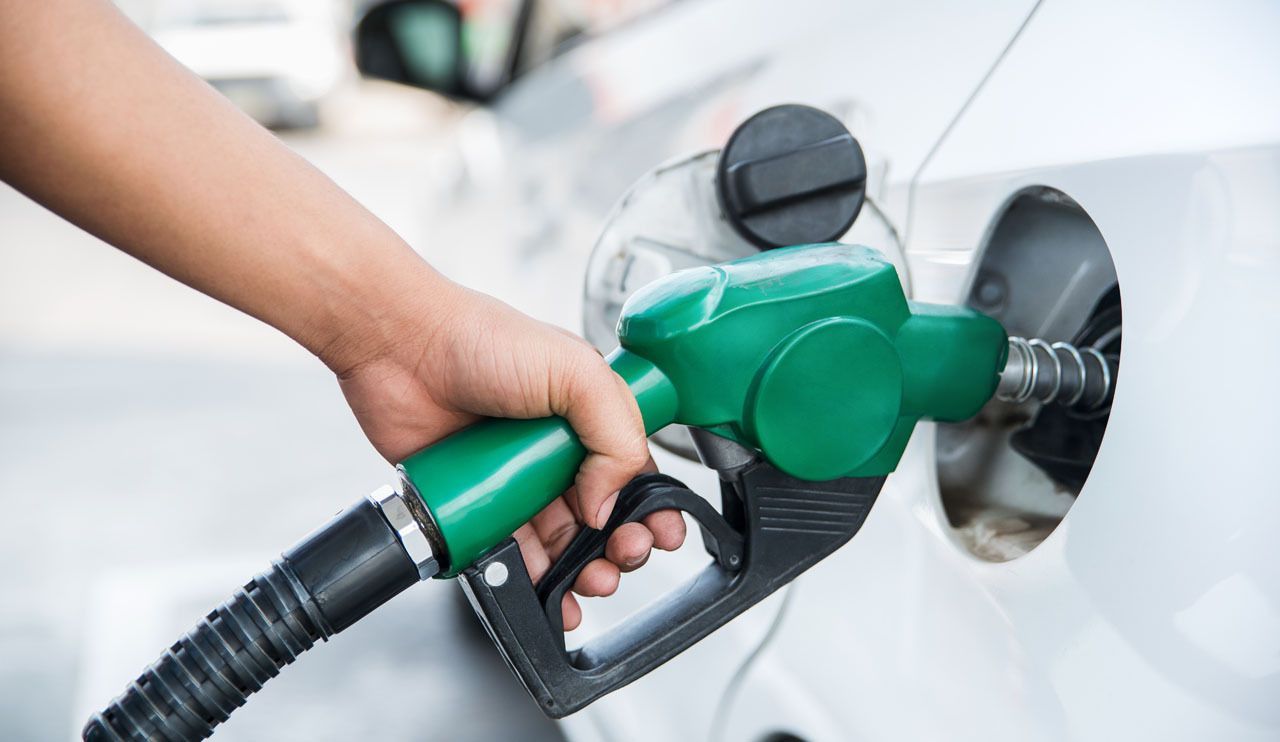
Easter road trips set to cost more as fuel prices surge in South Africa
A long weekend with a longer bill
Easter in South Africa usually means packed highways, cooler boxes in the boot, and families heading home or chasing a coastal break. But in 2026, that familiar ritual is coming with a sting.
If you’re planning to hit the road between Friday, 3 April and Monday, 6 April, you might want to rethink your timing or at least your budget. Fuel prices are expected to spike sharply just days before the long weekend begins, turning what’s meant to be a getaway into a noticeably pricier exercise.
Why timing matters this year
Here’s the catch: South Africa adjusts fuel prices on the first Wednesday of every month and in April 2026, that falls on 1 April.
That gives motorists a narrow window to get ahead of the increase. Filling up by Tuesday, 31 March could make a real difference, especially for those planning long-distance drives.
Because once the new prices kick in, they’re expected to be among the steepest monthly hikes the country has seen in a while.
What’s driving the increase?
While it might feel like a local issue when you’re standing at the pump, the real story stretches far beyond South Africa’s borders.
Global oil prices have surged past the $100 mark, largely due to escalating conflict involving the United States, Israel, and Iran. The ripple effects have been immediate and severe.
A key chokepoint, the Strait of Hormuz, has effectively become a bottleneck. This narrow passage typically handles about a fifth of the world’s oil and gas shipments. Now, with heightened tensions and threats of attack, many tankers are simply not moving.
The result? Supply disruptions, rising prices, and uncertainty across global markets. Even efforts by the International Energy Agency to release hundreds of millions of barrels from emergency reserves haven’t been enough to calm nerves.
What it means for your wallet
Back home, the numbers are already painting a grim picture.
Data from the Central Energy Fund shows significant under-recoveries across petrol and diesel a strong indicator that prices are set to climb.
For petrol users, increases of over R4 per litre are currently on the table. Diesel, often used by SUVs and bakkies, is looking even worse.
In real terms, that means a simple road trip could cost significantly more. A one-way drive from Johannesburg to Durban, for example, could jump by nearly R180. If you’re heading from Johannesburg to Cape Town, you could be paying over R300 extra and that’s just for fuel.
The knock-on effect for everyday South Africans
This isn’t just about holiday travel. Higher fuel prices tend to ripple through the entire economy from food prices to transport fares.
For many South Africans already feeling the pinch, the timing couldn’t be worse. Easter is often one of the few chances families get to reconnect, especially for those working far from home.
Now, some may be forced to scale back plans, delay trips, or skip them altogether.
Social media reaction: “We’re staying home this year”
Online, the mood is a mix of frustration and resignation.
Some users are joking about “Easter at home loading,” while others are sharing tips on how to save fuel from carpooling to cutting down on unnecessary trips. There’s also a growing sentiment that road travel is slowly becoming a luxury rather than a given.
For younger travellers especially, the idea of spontaneous road trips is starting to feel out of reach.
A small window to save
If there’s one practical takeaway, it’s this: timing your fuel stop could save you a fair bit.
Filling up before the end of March might not cancel out the broader cost pressures, but it could soften the blow especially if you’re covering serious distance.
Beyond that, South Africans may need to get creative this Easter: shorter trips, shared rides, or even rediscovering local gems closer to home.
What’s unfolding is a reminder of how interconnected the world has become. A conflict thousands of kilometres away can quietly reshape something as simple and as personal as a holiday drive.
This Easter, the open road is still calling. It’s just going to cost a little more to answer.
One-way fuel cost on popular long-distance routes in South Africa
Reference consumption: 7.4 litres per 100km, IEA average for South Africa
Fuel type: Unleaded 95 petrol, inland for first six routes, coastal for last two