News
Ekurhuleni’s Crisis of Integrity and the Growing Demand for Ethical Leadership
The song that sparked a question
There is a moment many South Africans know well. A liberation hymn rises in the background, gentle at first, then firm with hope. “Oliver Tambo, hold my hand.” The call is simple: a plea for guidance, steady leadership, and integrity. It is a question that has quietly resurfaced across Ekurhuleni in recent years. People are asking where that type of leadership has gone and why the city has struggled to hold a firm ethical line.
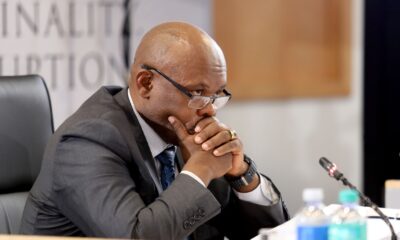
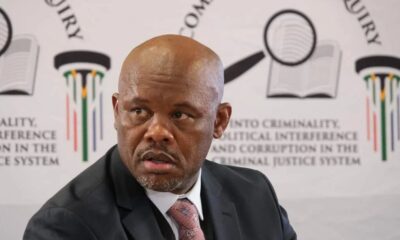
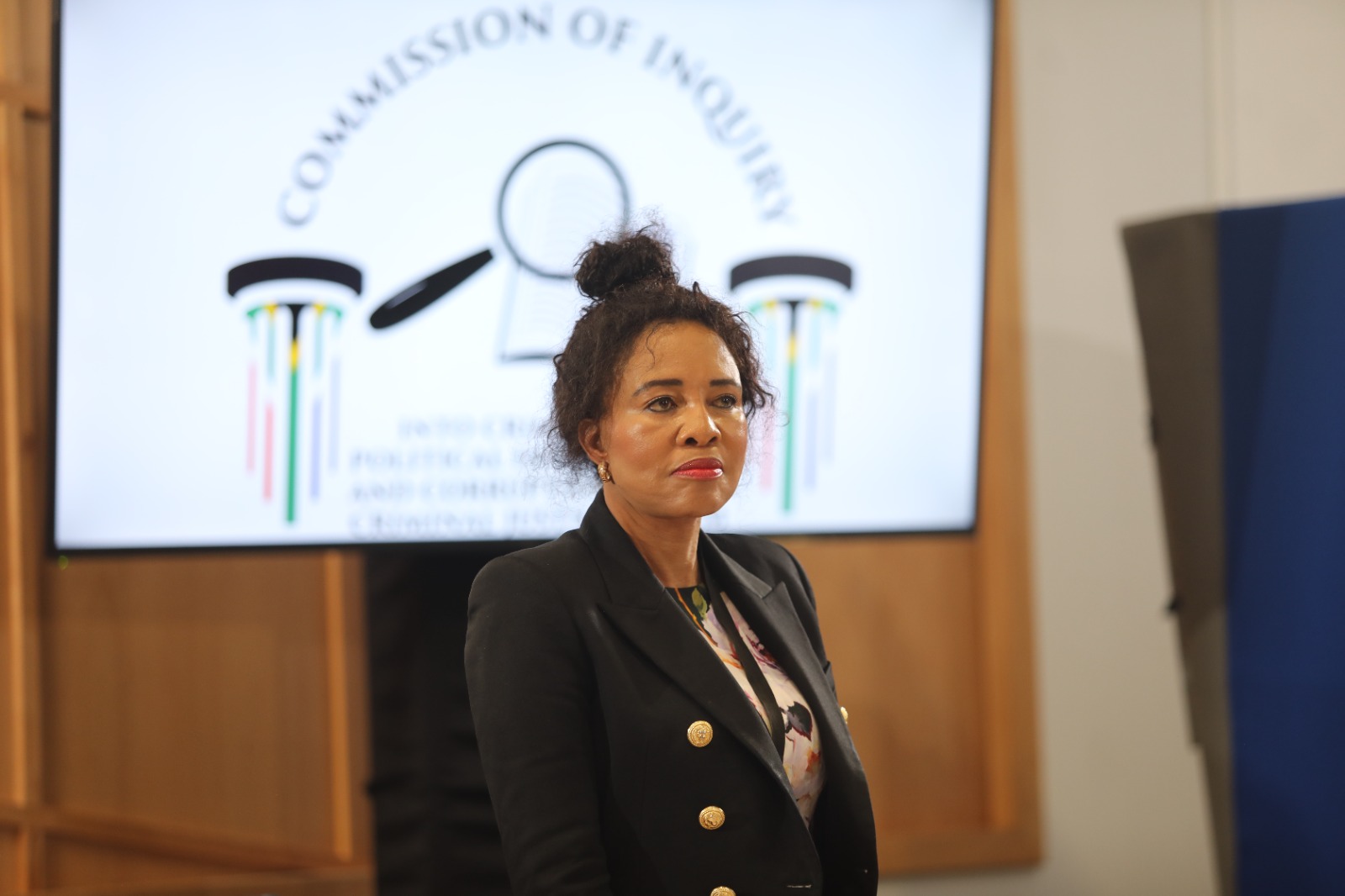
Ekurhuleni has been wrestling with the consequences of blurred responsibilities and fading accountability. The Madlanga Commission, which continues its work, has brought these concerns into sharper focus. Testimony from former City Manager Dr Imogen Mashazi has placed longstanding governance concerns back under the microscope and reminded residents how deep the cracks run.
A city where leadership uncertainty became normal
For many locals, the real story is not about a single administrator. It is about how weaknesses in leadership have slowly shaped the culture of the municipality. The Commission has repeatedly flagged failures that paint a troubling picture. Oversight mechanisms have not kept pace with operational demands. Political involvement has seeped into spaces where administrative independence should be protected. Procurement decisions have raised questions that remain unanswered. Strategic governance has been replaced by a reactive approach that leaves communities bearing the brunt of the fallout.
The issue is not simply that things have gone wrong. It is that those responsible for protecting the city’s integrity have often appeared defensive, unclear, or unbothered by the scale of the problems unfolding on their watch.
The Madlanga Commission and the mirror it holds up
In this climate, the Madlanga Commission has landed like a hard reset. Its role is not symbolic. It is documenting real concerns around decision-making, authority, and the systems that are meant to protect public resources. The recurrence of Dr Mashazi’s name throughout testimonies has fuelled public conversation, but the Commission’s deeper message remains unmistakable. This is not only about individuals. It is about an environment that allowed governance failures to take root in the first place.
Many residents have welcomed the Commission’s presence, viewing it as a long-overdue step toward cleaning up municipal processes. On social media, frustrations have boiled over in the form of questions that repeat almost daily. Who is actually steering the city? How much longer will internal conflicts overshadow service delivery? Why has accountability slipped into something optional rather than essential?
The Tambo standard and the leadership void
The comparison to Oliver Tambo has grown louder in public commentary, not because people expect the late leader to reappear, but because Tambo embodied a model of leadership that feels painfully absent. His approach valued quiet discipline, clarity of purpose, and humility that strengthened institutions rather than weakened them.
People often say leadership is tested during difficult moments. By that measure, Ekurhuleni has faced years of difficult moments without the ethical clarity needed to navigate them. If Tambo were standing in the council chambers today, one imagines he would ask pointed questions. Who benefits from each decision? Who is being failed? Why is the city drifting away from its responsibilities to the communities it serves?
He would insist on transparency that means something. Not selective explanations. Not defensive press statements. True accountability that survives political storms.
A city searching for its moral centre
Ekurhuleni’s decline has not been abrupt. It has unfolded quietly, one administrative compromise at a time. At some point, dysfunction became familiar, and leadership lost touch with purpose. That is why the struggle hymn still resonates. It is not about longing for the past. It is about asking today’s leaders why they have allowed the ethical foundation of their authority to erode.
The Commission’s findings serve as a warning and also an opportunity. The city can rebuild its credibility, but only if its leaders accept that the responsibility belongs to them, not to a legacy they invoke when convenient.
South Africa does not need Oliver Tambo to return. It needs leaders who understand that standing in his shadow is a responsibility, not a slogan.
When the hymn is sung today, it is no longer a request for guidance from a past hero. It is a call for modern leaders to correct their path before they lose the trust of the people entirely.
Also read: ‘Finally, Our Money Is Coming’: Treasury Steps In With R2.2bn Guarantee for Ithala Depositors
Follow Joburg ETC on Facebook, Twitter, TikT
For more News in Johannesburg, visit joburgetc.com
Source: IOL
Featured Image: Facebook/Daily News