In parts of Emfuleni, life has become a daily battle against something most South Africans only experience during a plumbing emergency. Raw sewage.
For many residents, especially in areas like Debonair Park and Tshepong, this is not a once-off incident. It is a constant reality that has stretched on for years, even decades. And now, the situation has taken a sharper turn after revelations that nearly R700 million has been spent on overtime pay for municipal cleaning and environmental services, with little visible change on the ground.
A Crisis Measured In Everyday Struggles
Figures presented in the Gauteng Legislature, following questions from the Democratic Alliance, show that Emfuleni Local Municipality spent R694 million on overtime. On paper, that suggests a workforce putting in extra hours to fix problems.
On the streets, however, the story looks very different.
Residents describe roads flooded with sewage, homes overtaken by foul-smelling water, and infrastructure that has not been properly maintained in years. For many, the disconnect between spending and service delivery has become impossible to ignore.
Living With Sewage For A Decade
For 77-year-old Mabel Tshoki, the crisis is deeply personal. Her home, once a place of pride, has slowly turned into a health hazard.
For more than ten years, sewage has flowed into her yard, blocking access and filling the air with a constant, suffocating smell. What used to be a welcoming entrance is now unusable.
She worries most about her grandchildren. The fear of illness hangs over everyday life, especially at night when windows must be shut, trapping the stench inside. Sleep has become a luxury.
Her frustration speaks to a broader sense of abandonment many residents feel. For people who invested their savings into homes in the area, the decline has been both emotional and financial.
Roads, Health Risks And Daily Exposure
Just beyond Tshoki’s home lies Rose Road, a busy route that separates Emfuleni from Midvaal. It tells its own story of neglect.
Burst sewage pipes and damaged road surfaces have turned commuting into a risky exercise. Motorists say the conditions go beyond potholes. Some describe the road as nearly undriveable.
But the biggest concern is not inconvenience. It is health.
Residents report recurring illnesses linked to prolonged exposure to sewage. The presence of contaminated water, combined with poor sanitation, creates an environment where disease can spread easily.
When A Daycare Falls Silent
In Tshepong, the crisis has shut down more than just homes. It has taken away livelihoods and safe spaces for children.
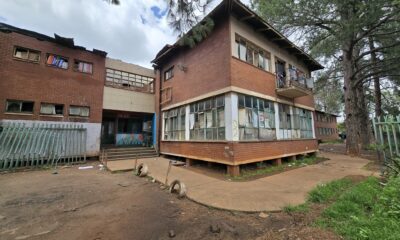
The Mpelegele Daycare Centre, once filled with activity and laughter, now stands empty. Knee-high sewage forced its closure, leaving behind rusting playground equipment and fading paint.
For the elderly woman who ran the centre, the decision was unavoidable. Asking parents to bring their children into such conditions was simply too dangerous.
It is a stark reminder that service delivery failures ripple far beyond infrastructure. They affect education, income, and the social fabric of communities.
Where Did The Money Go
The central question remains. How does a municipality spend close to R700 million on overtime while residents continue to live in such conditions?
For many in Emfuleni, the figures have only deepened frustration. The expectation is simple. If that level of spending is taking place, it should be visible in cleaner streets, functioning sewage systems, and safer living environments.
Instead, communities say they have been left to cope with worsening conditions, often without clear timelines for solutions.
Municipality Responds To Mounting Pressure
The municipality has pushed back against claims of neglect, saying it is working to address the crisis despite limited resources.
Spokesperson Makhosonke Sangweni pointed to ongoing interventions linked to water management regulations, aimed at tackling sewage spillages across the region, including areas near the Vaal River.
However, officials have also acknowledged that progress has been slow.
A Long History Of Service Delivery Failures
The challenges facing Emfuleni are not new. The municipality has, for years, been at the centre of discussions around failing infrastructure, financial strain, and governance issues.
Repeated sewage spills into the Vaal River system have also drawn national attention, raising concerns about environmental damage and water safety across Gauteng.
For residents, this latest revelation about overtime spending adds another layer to an already complex crisis.
A Community Still Waiting
What stands out most is not just the scale of the problem, but how long people have been living with it.
Nearly two decades of complaints, years of exposure to unsafe conditions, and now a multimillion-rand question hanging over it all.
In Emfuleni, the issue is no longer just about broken pipes. It is about trust, accountability, and whether meaningful change will ever reach the people who need it most.