Business
Lights On, Wallets Bleeding: Eskom’s Tariff Hikes Overshadow End of Loadshedding
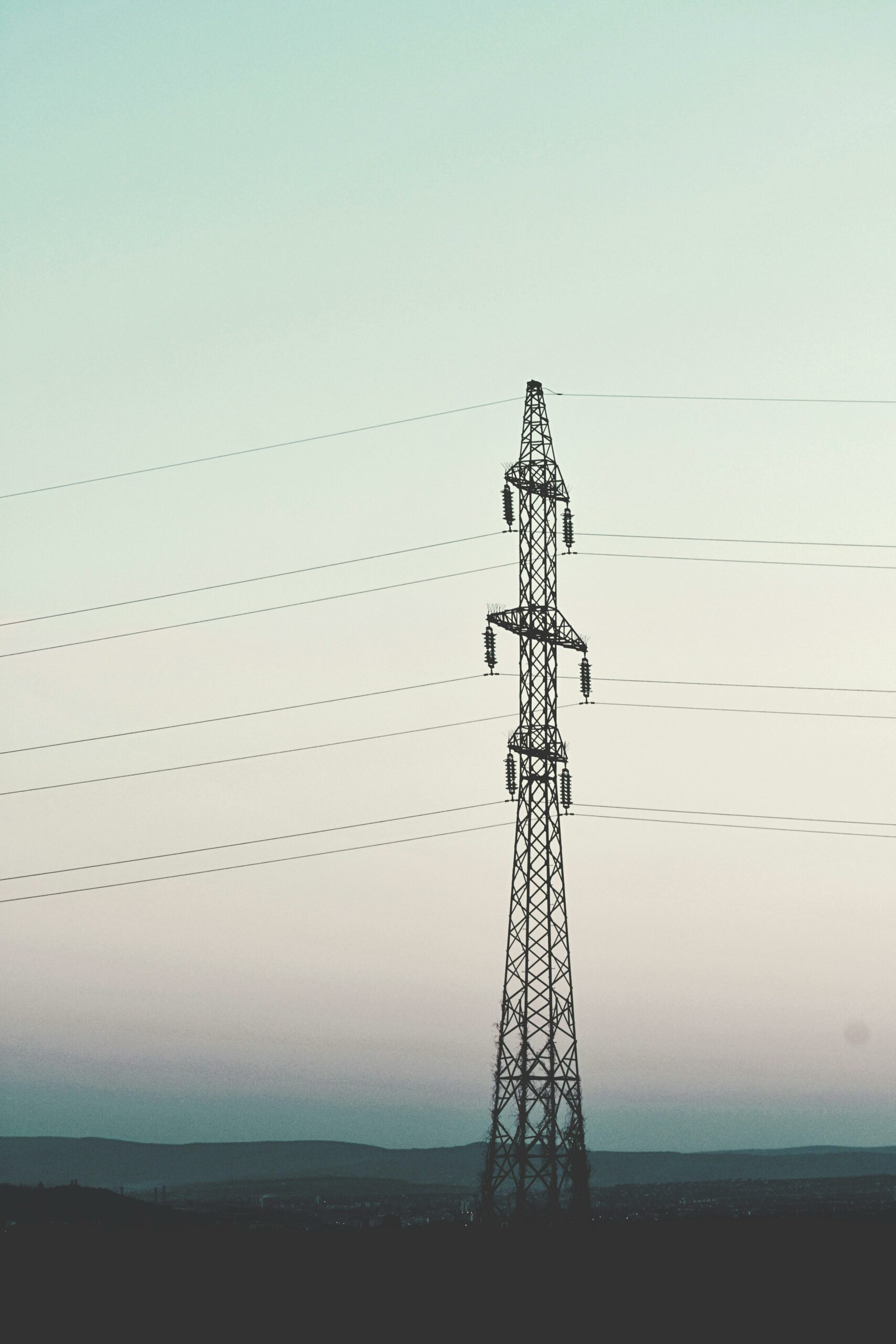
President Cyril Ramaphosa declared loadshedding a thing of the past in his State of the Nation Address. For a country that has spent more than a decade planning life around blackout schedules, that was music to South Africans’ ears.
But while the lights are staying on, the cost of keeping them on is becoming a crisis of its own.
The National Energy Regulator of South Africa (Nersa) has approved Eskom’s larger electricity rate increases for the next two yearsconfirming that tariff adjustments will be higher than initially anticipated. A 5.36% increase effectively rose to 8.76% following calculation corrections.
The New Question
Operationalliy, things have improved. Energy availability is up. Maintenance is finally being done. Diesel usage is better managed than at the height of the crisis.
But stability is not the finish line. The conversation has moved from one question”Will the lights stay on?”to another”What will it cost? “
For commercial and industrial (C&I) users, this cost question has become a real crisis.
The Cost of Cheap Power
Ramaphosa made a salient point: for decades, our economy grew on the back of cheap electricity. But power is no longer affordable.
Over the past five years, tariff increases have compounded well above inflation. Initially, the narrative was that abnormal hikes were driven by diesel spend during loadsheddingemergency generation is expensive.
But while loadshedding has eased, the trajectory of price increases has not.
The Coal Reality
There’s an uncomfortable truth here. When we talk about improved energy availability, we often look at the blended number across the system, including renewables, gas, and diesel that naturally perform at higher availability levels than ageing coal plants.
But if you isolate the coal fleet, the picture is less comforting:
-
Around 30% of units are under maintenance at any given time
-
A meaningful portion of capacity will need to be retired within the next five years
-
No new coal stations are waiting in the wings
Our current stability is heavily supported by expensive backup generation. Maintaining it is going to cost us.
The Grid Defection Risk
When tariffs continue to escalate aggressively, customers look at alternativesbatteries, self-generation.
If even 10% of paying customers begin reducing grid reliance significantly, the revenue base narrows, and the pressure on remaining customers intensifies. This is the start of grid defection.
It doesn’t happen overnight. But the longer prices rise without structural reform, the more businesses will pursue other options.
The IPP Perspective
As an independent power producer (IPP), the trend is already visible. Customers who five years ago were comfortable signing 15 or 20-year agreements are now hesitant to commit beyond 10 years.
Not because they don’t believe in renewablesthey do. But because they don’t trust the broader pricing environment.
The Path Forward
If the first phase of reform was about stopping loadshedding, the next phase must be about creating a competitive electricity market.
When grid capacity keeps pace with generation appetite, you can introduce real price tension into the market. When dozens of IPPs can compete for the same customers, the market becomes a price maker, not a price taker.
The National Budget acknowledged the need for transmission investment and allocated funding. The key now is speedhow quickly that expansion materialises.
The Bottom Line
Loadshedding is over. But for businesses staring at their electricity bills, the relief is short-lived.
The lights are on. But the cost of keeping them on is now the new crisisand it’s one that won’t be solved by a flick of a switch.
{Source: BizCommunity}
Follow Joburg ETC on Facebook, Twitter , TikTok and Instagram
For more News in Johannesburg, visit joburgetc.com