News
A Temporary Truce in a Power Price War
A last-minute deal has pulled South Africa’s critical ferrochrome sector back from the brink of immediate disaster. Eskom, along with major producers Samancor Chrome and the Glencore-Merafe Chrome Venture, have signed a memorandum of understanding (MOU) establishing a 90-day task team to find a long-term solution, temporarily halting retrenchment processes that threatened over 7,000 jobs from December.
The Congress of South African Trade Unions (Cosatu) has welcomed the “job-saving agreement” but issued a stark warning: this reprieve must lead to a permanent fix. “We cannot afford to see a single worker added to the already dangerously high unemployment rate of 42.4%,” said Cosatu’s Matthew Parks, emphasising the need for compromises to ensure both job and industry sustainability.
Union Fury and a Call for Nationalisation
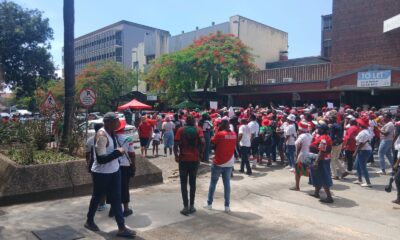
The deal comes amid intense pressure from the National Union of Metalworkers of South Africa (Numsa), which marched on the Presidency this week, accusing the government of failing the manufacturing sector. Numsa’s petition paints a dire picture of the industry’s collapse, listing thousands of recent and impending job losses, including:
-
3,000 jobs lost at the mothballed Rustenburg smelter.
-
Over 5,000 Samancor workers facing possible retrenchment from January 2026.
-
Hundreds more at risk at various Glencore and other facilities.
The union’s demands are radical and specific: nationalisation of the smelter industry, chrome export quotas and taxes to discourage raw ore shipments, and, crucially, an affordable electricity tariff of around 62 cents/kWh for the sector, arguing the country’s abundant coal should translate into cheaper power for this strategic industry.
The Path Forward: Tariffs, Task Teams, and Tough Negotiations
The immediate mechanism under the MOU is an interim tariff adjustment application currently before the National Energy Regulator of South Africa (Nersa). Once approved, the smelters will suspend retrenchments and bring about 40% of furnace capacity back online. Simultaneously, a government-led task team has three months to develop a complementary, long-term pricing support mechanism.
This crisis stems from smelters operating under existing Negotiated Pricing Agreements (NPAs) who invoked hardship clauses due to poor market conditions and high power costs. While temporary relief was granted, it exposed the lack of a sustainable model.
For now, 7,000 workers and their families have a 90-day breath of relief. But the countdown is on. The task team’s successbalancing Eskom’s financial health, global competitiveness for smelters, and the preservation of a strategic industrywill determine whether this deal is remembered as a turning point or merely a pause before a deeper industrial collapse. The unions have made it clear: anything less than a permanent, affordable power solution is a failure.
{Source: IOL}
Follow Joburg ETC on Facebook, Twitter , TikTok and Instagram
For more News in Johannesburg, visit joburgetc.com