News
EThekwini faces scrutiny over R493 million in irregular spending
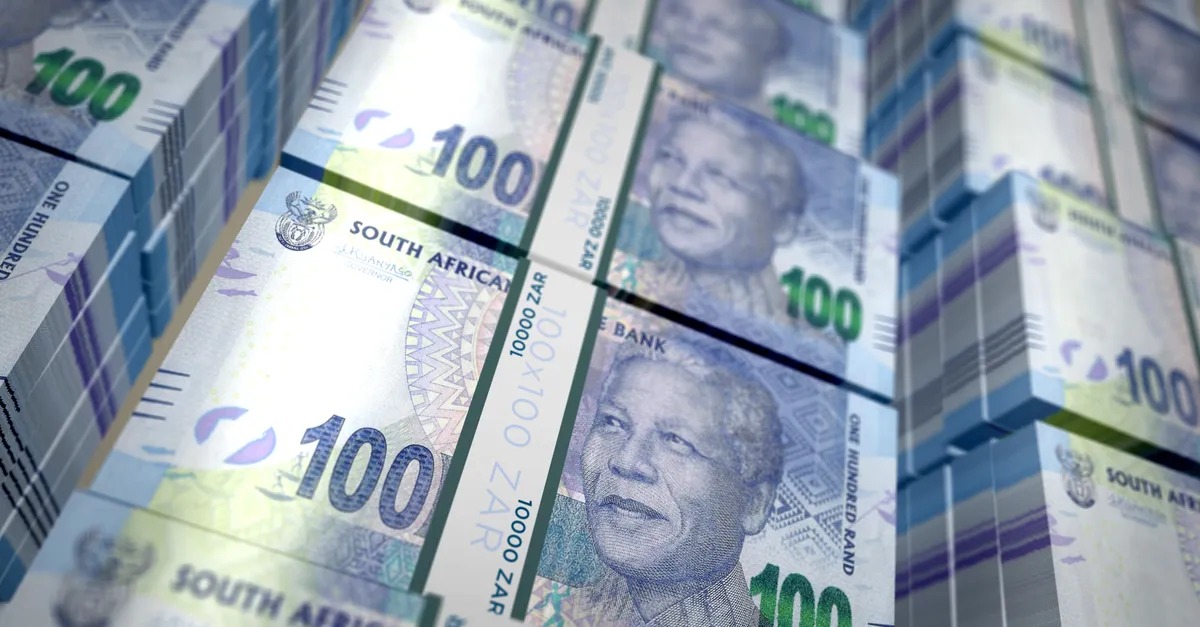
A recent council report has revealed that the eThekwini Municipality accumulated R493 million in unauthorised, irregular, fruitless, and wasteful expenditure over three financial cycles. The figure was presented during a council sitting through a briefing from the Municipal Public Accounts Committee, which monitors how public funds are used across departments.
How the spending happened
The irregular costs stretch across the 2023 to 2026 financial years and involve several municipal units. In each case, internal investigations were carried out by the departments that triggered the spending. Their reports outlined where supply chain rules were bypassed, why those decisions were taken, and how much was spent.
Those findings were then reviewed by the municipality’s Internal Control Unit before being sent to the Bid Adjudication Committee. Officials examined whether the city still received value for money or if any actual financial loss occurred despite the rule breaches.
That detail matters because irregular expenditure does not always mean cash vanished. In several cases, services were delivered as expected even though procurement procedures were not properly followed.
Where the biggest amounts sit
The largest portions of the R493 million total come from infrastructure and transport-related projects.
The eThekwini Transport Authority accounts for two major entries. One involves R165 million linked to culvert widening and related works in KwaMashu, where proper supply chain steps were not followed. Another R199 million relates to the construction of the Eleventh Avenue Interchange Phase 2 ramps, which also included pedestrian bridges and supporting works along the C3 route.
Water and sanitation projects feature prominently, too. More than R102 million was tied to the use of a procurement regulation for water loss insurance covering underground leaks at private homes for six months. A smaller amount was recorded after interest had to be paid when a supplier was not paid on time. Earlier, R3.3 million was incurred under an expired contract linked to operations at the Mkhizwana water treatment plant.
Elsewhere, R19 million was flagged in Recreation and Parks after an outdated contract was used to secure shark safety gear for municipal beaches. The reasoning was practical. Without those payments, shark nets could have been removed from bathing areas.
Information Technology also appears on the list, with about R2.9 million tied to an expired agreement for maintaining the city’s revenue management system.
In multiple instances, reports state that work was completed to the required standard, meaning services were delivered even though procedures were flawed.
Who is meant to be held accountable
The Municipal Public Accounts Committee has made it clear that officials responsible for the spending should face consequence management. However, the committee itself does not carry out disciplinary action.
That responsibility sits with the accounting officer and municipal management, supported by the Financial Misconduct Disciplinary Board. The committee’s role is oversight. It receives regular updates to monitor whether action is actually taken.
The flagged cases have now been forwarded to the disciplinary structures for further processing.
Why this matters beyond the numbers
For the municipality, figures like R493 million highlight the pressure on governance systems and the importance of strict procurement compliance.
Financial governance has become a major focus across South African metros as cities balance growing infrastructure needs with limited budgets. When procurement rules are not followed, even where services are delivered, it raises concerns about oversight and long-term financial discipline.
The bigger picture
Municipal spending irregularities are not new in South Africa, but the scale and frequency keep the issue firmly in the public spotlight. Oversight bodies like the Municipal Public Accounts Committee exist because local governments manage significant public funds that directly affect everyday services.
The latest report does not suggest that all the R493 million was lost. In several cases, projects were completed, or services continued without interruption. What it does highlight is a recurring weakness in contract management and supply chain compliance.
For the city, the next step depends on how consequence management processes unfold following the referral of these matters to the relevant disciplinary structures.
Follow Joburg ETC on Facebook, Twitter, TikT
For more News in Johannesburg, visit joburgetc.com
Source: IOL
Featured Image: Capital.com