News
FIFA’s New Rule Could Change the Future for Female Coaches in Football
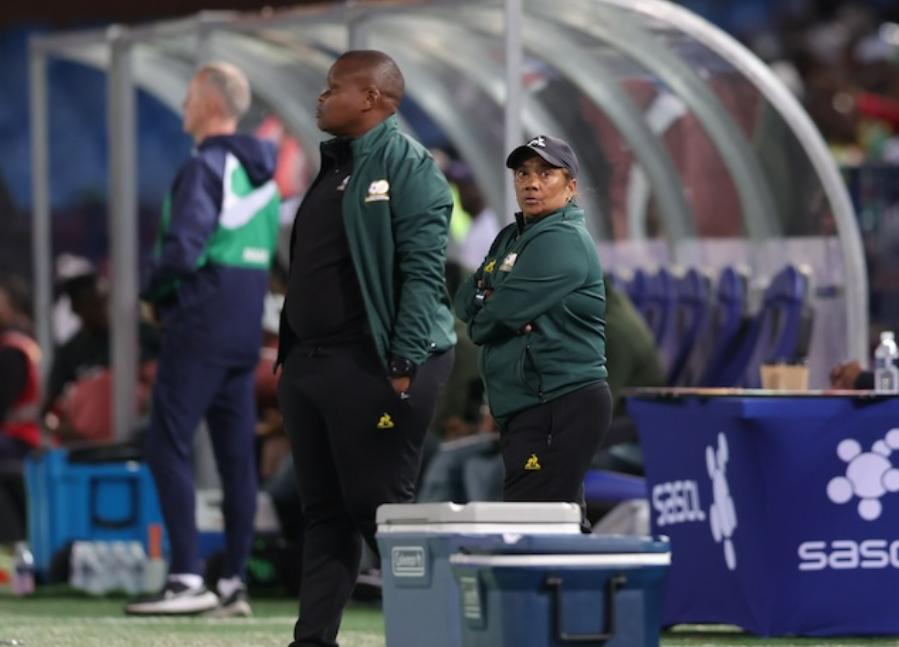
For years, women’s football has been growing at an incredible pace on the pitch. Bigger crowds, better investment, and global attention have all followed. But behind the scenes, one thing has remained stubbornly slow to change: who gets to lead.
Now, FIFA has stepped in with a bold move that could shift that balance.
The global football body has announced a new rule that will require every team competing in its women’s tournaments to include a female coach. Whether in the top job or as an assistant, a woman will now have to be part of the technical team on the bench.
A rule designed to change the game
The decision was approved at a recent FIFA Council meeting and applies across all competitions. That includes youth tournaments, senior international events and even club competitions.
Fans will first see it in action at the Under 20 Women’s World Cup in Poland later this year. From there, it will carry through to some of the biggest stages in the game, including the 2027 Women’s World Cup in Brazil and the upcoming Women’s Champions Cup.
This is not just a policy tweak. It is a clear signal that the growth of women’s football needs to extend beyond players and into leadership.
Why this matters now
Women’s football has never been more visible. In South Africa, Banyana Banyana’s recent performances have inspired a new generation of fans and players. Stadiums are fuller, TV audiences are growing, and young girls are seeing the game differently.
But when it comes to coaching, the picture still looks very different.
At the 2023 Women’s World Cup, only 12 of the 32 teams were led by female head coaches. The majority of teams were still guided by men, highlighting a gap between participation on the field and representation on the sidelines.
FIFA’s latest move is aimed at closing that gap.
More women on the bench, not just one
The new regulation goes further than just appointing a coach.
Teams will now be required to have at least two women among their bench staff, and at least one woman included in the medical team. It is a move designed to ensure women are part of the broader decision making and support structures within teams.
This kind of visibility matters. It creates pathways, builds experience, and opens doors that have historically been difficult to access.
What it could mean for South African football
For local football, the ripple effects could be significant.
South Africa has produced strong female players and passionate fan support, but coaching pathways for women are still developing. A global rule like this could push federations and clubs to invest more seriously in training and promoting women coaches.
It also sends a powerful message to young women across the country. The game is not just something you can play. It is something you can lead.
A step towards a more balanced future
FIFA’s chief football officer, Jill Ellis, has been clear about the challenge. There are simply not enough women in coaching, and the sport needs to act faster to change that.
This new rule is part of that effort. It is about creating opportunities, increasing visibility and making sure the growth of the women’s game is reflected everywhere, not just on the pitch.
For fans, it may seem like a small change. But for the future of football, it could be one of the most important shifts yet.
Because who stands on the sidelines matters just as much as who steps onto the field.
{Source:SuperSport}
Follow Joburg ETC on Facebook, Twitter , TikTok and Instagram
For more News in Johannesburg, visit joburgetc.com