News
Hunger and Survival: How Food Insecurity Drives South African Girls into Risky Relationships
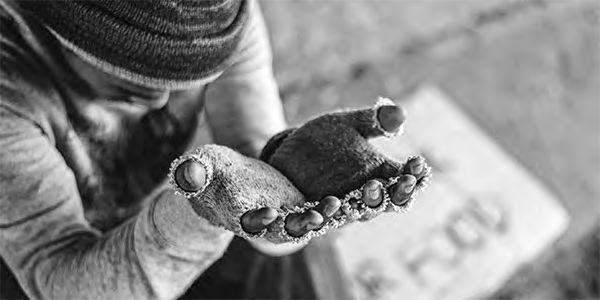
Hunger, Poverty, and the Price of Survival
In South Africa, nearly 10 million adolescents navigate daily life under the crushing weight of poverty and food insecurity. For many girls in vulnerable communities, survival comes at a dangerous cost: trading their safety for food and basic necessities.
A recent study by the University of Pretoria’s Department of Psychology paints a stark picture of this crisis. Professor Eugene Lee Davids, who led the research, warns that the effects of hunger ripple far beyond empty stomachs.
“Food insecurity doesn’t just mean going to bed hungry – it reverberates through every aspect of life, especially for girls in impoverished areas,” said Professor Davids.
The Hidden Consequences: Transactional Relationships and Alcohol Risks
The study highlights how structural deprivation forces adolescent girls into transactional relationships with older men, often in environments such as alcohol-fuelled local taverns. Here, alcohol and social gatherings become a currency, drawing young girls into high-risk behaviours that frequently result in early pregnancy, addiction, and increased HIV risk.
Professor Davids explained,
“These relationships are not choices made lightly. They are acts of survival. If the root causes of food insecurity are not addressed, the country risks losing an entire generation of potential.”
Policy Gaps and Community Inaction
Despite laws like the Sexual Offences Act and the National Liquor Act, enforcement is weak, and community inaction allows these dangerous situations to persist. Girls remain exposed to exploitation while legal frameworks fail to protect them effectively.
“Addressing adolescent risk behaviours cannot be done in isolation,” Professor Davids stressed. “It requires a collective, community-driven response that tackles the underlying issues of poverty, hunger, and lack of education.”
A Call for Immediate Action
Experts argue that urgent interventions could alter these girls’ life trajectories. Proposed measures include:
-
School and community nutrition programmes to alleviate hunger.
-
Stronger enforcement of laws protecting adolescents from exploitation.
-
Tighter controls on alcohol sales in vulnerable areas.
-
Policy frameworks that actively involve communities in crafting solutions.
Professor Davids warns that South Africa faces a demographic surge, with the continent’s adolescent population projected to rise significantly by 2100. He says that the choices and behaviours formed during adolescence will shape both individual futures and the nation’s path.
“Now is the time to confront these challenges head-on and safeguard the future of a generation,” he said.
Local Voices and Public Reaction
Social media users have expressed outrage, calling for better support for vulnerable adolescents. Community leaders and NGOs are urging government departments, schools, and local councils to collaborate on practical solutions before more young lives are compromised.
“These girls are not making bad choices; they are responding to a system that has failed them,” one activist tweeted.
The story of South Africa’s adolescent girls is one of resilience in the face of systemic neglect, but without immediate, coordinated action, the nation risks losing a generation to hunger, exploitation, and preventable health crises.
{Source: IOL}
Follow Joburg ETC on Facebook, Twitter , TikTok and Instagram
For more News in Johannesburg, visit joburgetc.com