In the quiet corridors of a rural Limpopo clinic or a scattered Eastern Cape school, you might hear an accent that stands out. It’s not an anomaly; it’s a calculated, and increasingly necessary, stopgap. While the debate around immigration in South Africa often focuses on informal trade and border security, a quieter story is unfolding within the state itself: foreign nationals are playing a crucial role in propping up two of the country’s most strained public serviceseducation and health.
Recent figures from the Department of Public Service and Administration put the number of foreign nationals in the public service at 6,333, a mere 0.44% of the total workforce. But this small percentage tells a disproportionate story. These professionals are heavily concentrated where the need is most acute: 3,305 work in education and 2,625 in health.
Why the Vacancies? The “Where” More Than the “What”
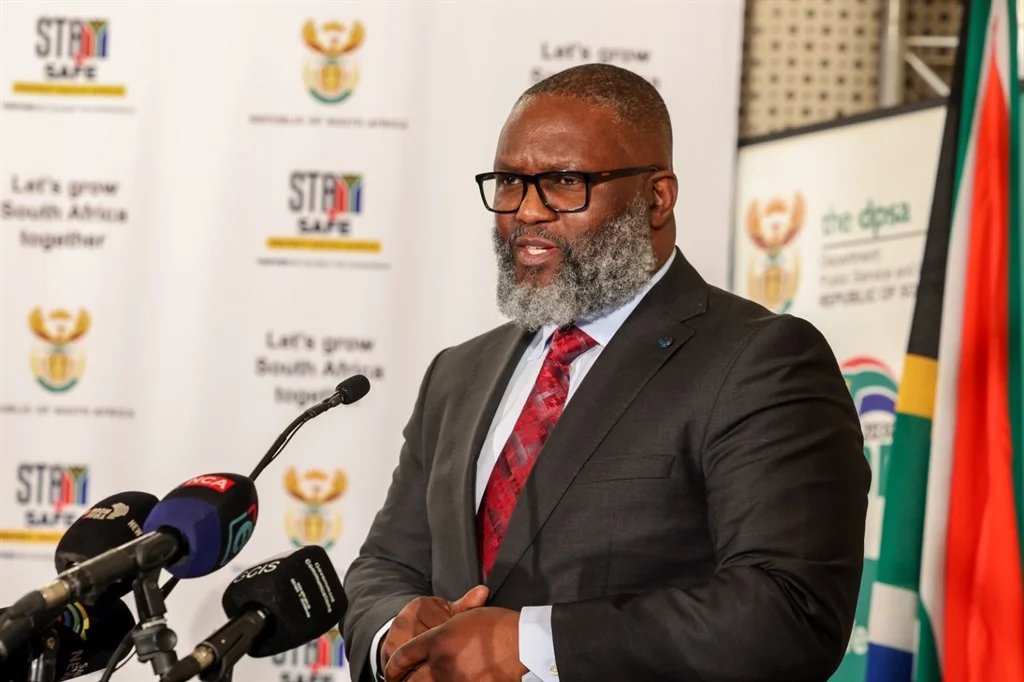
The reason for this concentration isn’t a lack of qualified South Africans on paper. Instead, it boils down to geography and burnout. As Acting Deputy Director-General Anusha Naidoo explained, many local professionals are “not open to the idea of working in far-flung areas.” This creates a stark choice for the state: “Do we keep the skill vacuumthat is, leave the schools without teachersor do we advertise and if a foreign national applies… we appoint them?”
The “skill vacuum” Naidoo references is real. It’s driven by the twin crises of resignation and burnout among South African teachers and nurses, compounded by a reluctance to serve in remote, under-resourced posts. These vacancies aren’t just statistics; they represent classrooms without educators and communities without accessible healthcare.
A Pragmatic Fix for a Systemic Problem
The employment of foreign professionals, therefore, is less a proactive policy and more a reactive, pragmatic solution. It’s the state choosing to keep a clinic door open or a school running by filling a post with a willing, qualified individual from beyond our borders. These individuals often arrive with critical skills and a willingness to serve in areas locals shun.
However, this reliance raises complex questions. Does it let the government off the hook for improving conditions and incentives for local professionals? Does it create a sustainable model, or is it a temporary plaster on a deep wound? The department itself has indicated a desire to “tighten the strings” on such employment, signalling an awareness of the tension.
For now, in hundreds of communities, the face of the statethe teacher explaining a math problem, the nurse administering a vaccinationmay bear a foreign accent. It’s a testament to both the global nature of skilled labour and the very local challenges of a public service struggling to meet its promises. They are filling a gap, but their presence highlights the profound and persistent gap itself.