News
Brace yourself: Fuel levy hikes likely in 2026 Budget despite cheaper petrol
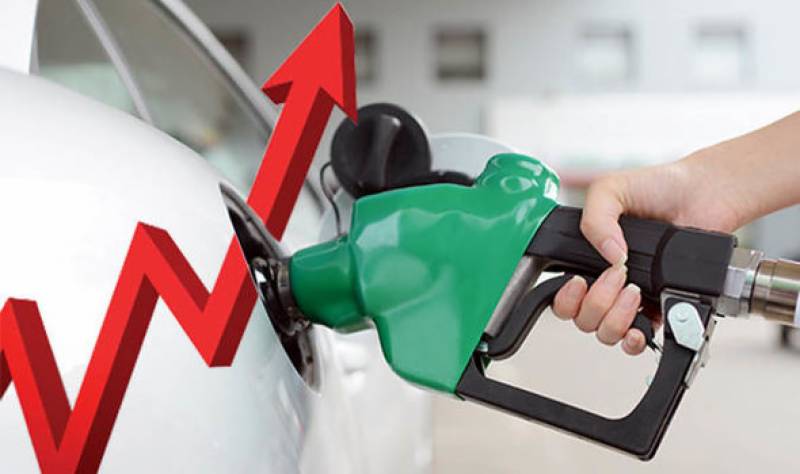
Brace yourself: Fuel levy hikes likely in 2026 Budget despite cheaper petrol
South African motorists have been enjoying something rare lately, relief at the pump.
After years of watching fuel prices climb, the combination of a stronger rand and softer global oil prices has pushed petrol down to a four-year low. For once, filling up hasn’t felt like a mini financial crisis.
But economists say the good news may not last.
With the 2026 Budget Speech around the corner, there are growing predictions that government could increase fuel levies, ironically, because fuel is currently cheaper.
Why the 2026 Budget could target fuel
When Finance Minister Enoch Godongwana delivers the national budget next Wednesday, 25 February 2026, he’ll be balancing more than just spreadsheets.
In 2025, National Treasury faced fierce political resistance over a proposed VAT increase. The hike was eventually scrapped, leaving a sizeable revenue gap.
Now, tax experts at PwC believe government may look to fuel levies as a quieter way to recover lost revenue.
Their reasoning? With petrol prices currently at a multi-year low, an inflation-linked increase in the levy may be less noticeable to consumers.
But “less noticeable” doesn’t mean painless.
How much of your petrol already goes to government?
Many motorists don’t realise just how much of every litre they buy is tax.
Using January 2026’s inland petrol price of R20.64 per litre as a reference point:
-
The General Fuel Levy (GFL) accounts for R4.01
-
The Road Accident Fund (RAF) levy adds R2.18
-
Customs and excise duties contribute another 14 cents
That’s R6.37 in taxes per litre, just over 30% of the pump price.
In simple terms, nearly one-third of what you pay at the garage doesn’t go to fuel production or transport. It goes straight to the state.
If the General Fuel Levy rises in line with inflation, estimated between 3.2% and 3.5% that tax slice grows even larger.
A vital revenue stream for government
Fuel taxes are not small change. They generate close to R100 billion annually for the fiscus, making them one of government’s most reliable income sources alongside VAT and personal and corporate income tax.
From Treasury’s perspective, adjusting fuel levies is administratively simple and politically less explosive than raising VAT again.
In fact, some economists argue that using a period of lower fuel prices to increase levies fits into the broader strategy of fiscal consolidation, tightening spending while steadily growing revenue.
Recent economic messaging from President Cyril Ramaphosa during the State of the Nation Address suggested cautious optimism about South Africa’s recovery. But optimism doesn’t pay the bills.
Fuel taxes do.
The cruel irony of cheaper petrol
There’s something deeply frustrating about this moment.
Motorists finally catch a break thanks to global oil markets and a firmer currency and that breathing room may be used to justify higher taxes.
On social media, the mood has already started shifting. Many drivers argue that South Africans are overtaxed as it is. Others point out that road conditions remain poor despite the hefty RAF and fuel levies.
The broader debate often boils down to a familiar question: Should government use relief periods to stabilise finances, or pass the savings directly to consumers?
The bigger picture: A balancing act
South Africa’s tax base is under pressure. Economic growth has been slow, unemployment remains stubbornly high, and service delivery demands continue to mount.
In that context, fuel levies are politically easier to adjust than income tax brackets.
But there’s a ripple effect. Higher fuel levies increase transport costs, which can filter through to food prices, goods and services, even if the increase seems small on paper.
For households already stretched by electricity tariffs and rising municipal bills, every cent matters.
So, what happens next?
All eyes now turn to the 2026 Budget Speech.
If Treasury does announce an inflationary increase to the General Fuel Levy, it may be framed as modest and manageable. And in a period of relatively low petrol prices, it might feel that way at first.
But as history shows, once levies rise, they rarely come down.
For now, South Africans can enjoy slightly cheaper trips to the petrol station. Just don’t be surprised if next week’s budget reminds us that in this country, relief at the pump can be fleeting.
{Source: The South African}
Follow Joburg ETC on Facebook, Twitter , TikTok and Instagram
For more News in Johannesburg, visit joburgetc.com