Oil prices drop after ceasefire, but don’t expect relief at the pumps just yet
A global sigh of relief… for now
After days of escalating tension and dramatic threats, the world woke up to something unexpected, a pause.
A last-minute ceasefire between the United States and Iran, announced just before a looming deadline set by Donald Trump, sent global markets into relief mode. Oil prices, which had surged during the conflict, suddenly dropped, falling by as much as 16% and settling around $94 per barrel.
On paper, that sounds like good news.
But if you’re a South African motorist hoping for cheaper petrol next month, it’s not that simple.
Why lower oil doesn’t mean lower petrol (yet)
It’s one of the most frustrating realities: global oil prices fall, but fuel prices at home don’t always follow immediately.
Here’s why.
South Africa’s fuel pricing is based on a monthly review cycle, meaning current pump prices reflect past global oil costs not what’s happening right now.
And during the last pricing window, oil was already sitting close to where it is now.
In fact, before the Middle East conflict escalated, Brent crude averaged around $69. Today, even after the drop, it’s still hovering near $94 much higher than those earlier levels.
So while prices have come down from peak panic levels, they’re still not “cheap” by historical standards.
The hidden damage already done
Before this ceasefire, the outlook for May was looking bleak.
Early data suggested:
- Diesel prices could have jumped by around R10 per litre
- Petrol increases of R2 to R4 were on the cards
That’s the impact of weeks of high oil prices filtering into the system.
Now, with oil easing slightly, those increases may be softened but not erased.
In plain terms: instead of a major shock, South Africans may see more moderate increases.
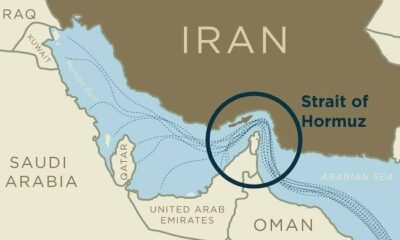
The real wildcard: the Strait of Hormuz
This narrow stretch of water remains the biggest risk factor in the entire equation.
It’s one of the world’s most important oil shipping routes. When it’s disrupted, prices spike globally and countries like South Africa feel it fast.
Even with the ceasefire, analysts warn the threat hasn’t disappeared.
Some believe Iran could continue to use the strait as leverage in future conflicts, meaning markets will keep pricing in that risk keeping oil prices higher than normal.
South Africans react: cautious optimism, but little faith
Online, the reaction has been telling.
There’s relief that things didn’t escalate further but not much confidence that fuel prices will drop anytime soon.
Many South Africans have been here before:
- Oil dips briefly
- Prices stabilise
- Then something else pushes them back up
With the cost of living already under pressure, fuel remains one of the most sensitive issues, affecting everything from transport to food prices.
The tax relief twist
There’s another factor many people are overlooking: government intervention.
Earlier this month, Treasury introduced a R3 per litre fuel levy cut to cushion the blow of rising prices.
Without it, petrol and diesel hikes would have been significantly worse.
But here’s the catch that relief is temporary.
If it’s not extended, or eventually reversed, that R3 will need to be added back into the fuel price. And if global oil prices are still elevated when that happens, motorists could face another wave of increases.
Looking ahead: May vs June
For May, the outlook is still uncertain but leaning toward smaller adjustments rather than major relief.
June, however, is where things could really shift.
Two scenarios are in play:
- If peace holds: oil prices could fall further, offering some relief
- If tensions return: oil could surge past $100 again, triggering another fuel price spike
In other words, everything depends on what happens next in the Middle East.
The bigger picture
What this moment highlights is just how exposed South Africa is to global events.
A conflict thousands of kilometres away can directly affect the price you pay at the pump and by extension, the cost of food, transport, and daily life.
It’s a reminder that fuel prices aren’t just about oil, they’re about geopolitics, policy decisions, and timing.
Yes, oil prices have dropped. Yes, markets are calmer.
But no that doesn’t mean cheaper petrol is around the corner.
For now, the best-case scenario is damage control, not real relief.
And until global stability returns and stays South Africans may need to brace for more uncertainty at the pumps.