News
Fuel Tax Hike to Squeeze South Africans Even Harder in 2025, Say Experts
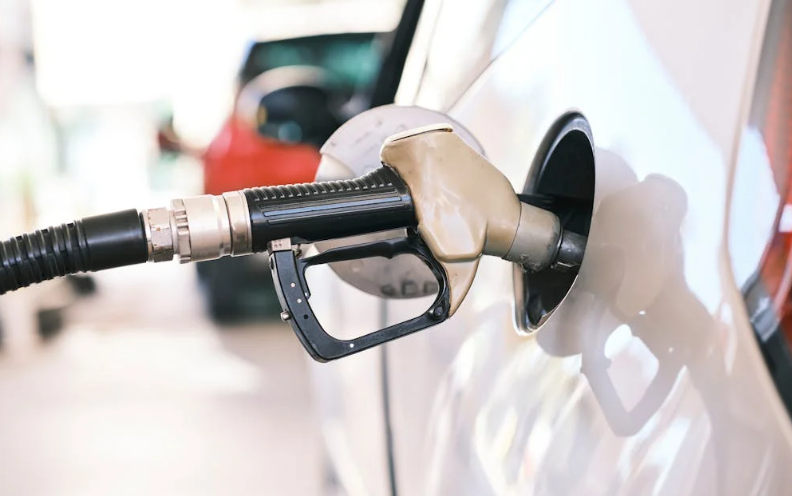
Announced during Finance Minister Enoch Godongwana’s budget speech, the increase will see the General Fuel Levy rise by 15 cents per litre for petrol and 16 cents for diesel—the first adjustment in three years. Though aimed at helping the government plug a R75 billion funding shortfall, experts warn that the move could worsen the country’s cost-of-living crisis.
The overall tax burden on fuel, including unchanged Road Accident Fund and carbon fuel taxes, will now total R6.37 per litre for petrol and R6.24 for diesel—accounting for nearly a third of the final pump price.
The Cost Beyond the Pump
While the immediate impact will be felt by motorists at fuel stations, the knock-on effects are expected to ripple through the economy.
“Fuel isn’t just about what we pay at the pumps,” says the Automobile Association. “It’s a core input cost that affects every sector. When fuel prices rise, transport costs rise—and that means food, goods, and services become more expensive too.”
With rising electricity tariffs, steep interest rates, and high unemployment already straining household budgets, the association warns that this additional cost will push many South Africans—particularly low-income earners—even closer to the edge.
Freight Industry Sounding the Alarm
Gavin Kelly, CEO of the Road Freight Association (RFA), echoed these concerns, calling the tax hikes “short-sighted and damaging.”
“About 85% of goods in South Africa are transported by road,” he said. “These additional taxes will make logistics more expensive, and that cost will be passed on to consumers. Transporters can’t keep absorbing increases without risking their operations.”
Kelly argued that the move will hurt not only local businesses but also South Africa’s competitiveness in global supply chains. “As costs rise, international firms may start looking at alternative routes that bypass South Africa altogether,” he warned.
A Missed Opportunity to Curb Waste
Critics have also questioned why the government continues to lean on tax increases instead of tackling wasteful spending.
“Instead of trimming the fat in public sector spending, Treasury is asking ordinary South Africans to carry the weight,” Kelly added.
Business Leadership South Africa (BLSA) pointed out that the revenue boost from this hike—estimated at R3.5 billion—is actually less than the R4 billion ‘given back’ in previous budgets, raising further questions about the logic of the move.
Who Really Pays the Price?
Although the levy technically targets all fuel consumers, analysts say it will disproportionately hurt the country’s poorest. These households already spend a larger share of their income on transport, and higher fares on taxis and buses are expected to follow.
Economists and major banks alike are sounding the alarm. While the government maintains the increase is necessary, the growing consensus is that it will deepen inequality, reduce consumer spending, and delay economic recovery.
As South Africa looks to navigate its fiscal crisis, citizens are left wondering: how much more can they afford to give?
{Source: BusinessTech}
Follow Joburg ETC on Facebook, Twitter , TikTok and Instagram
For more News in Johannesburg, visit joburgetc.com