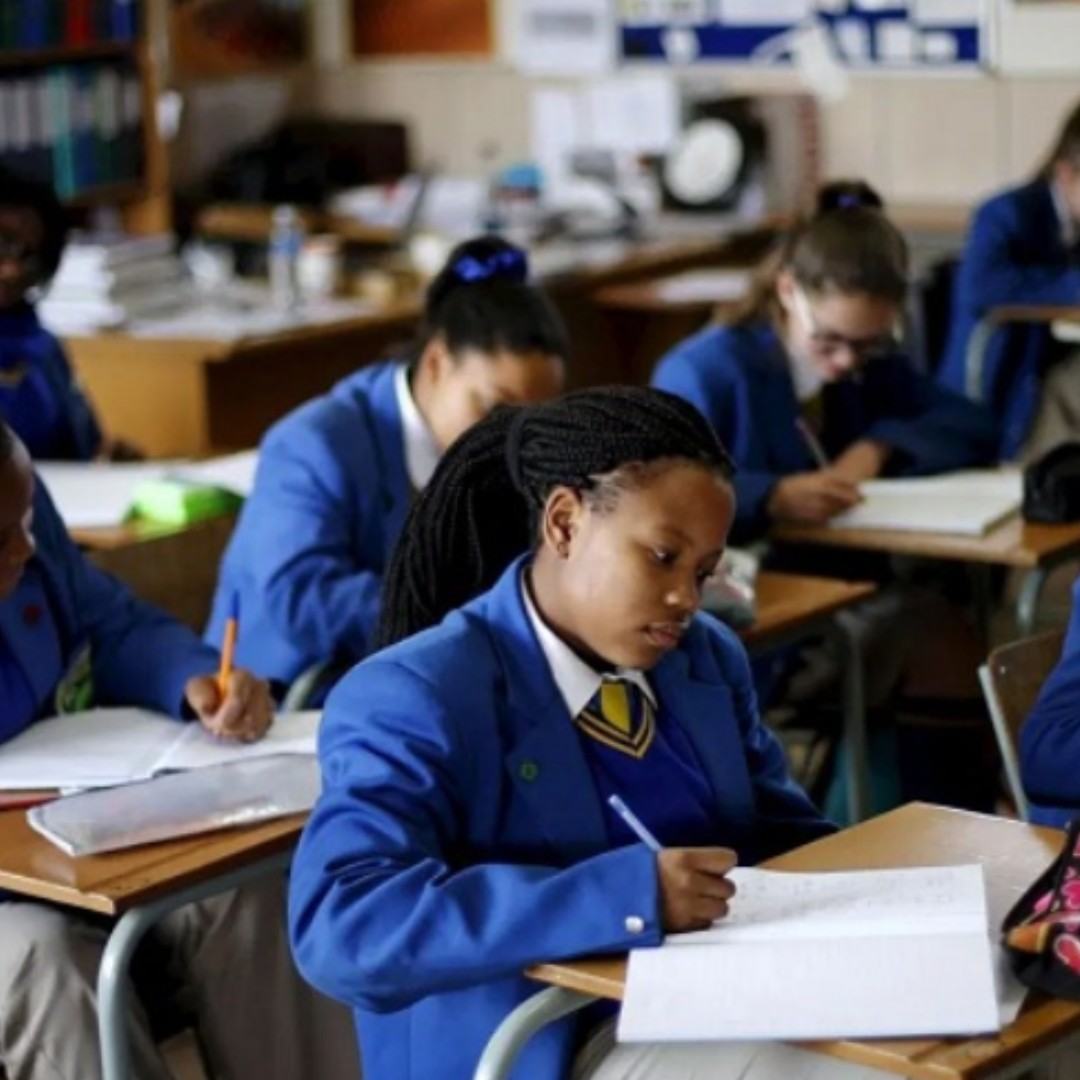
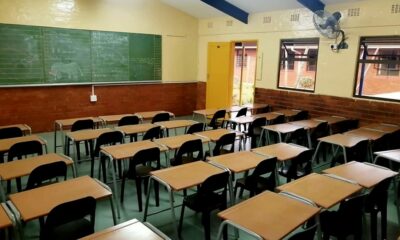
A political storm over school budgets is brewing in Gauteng, with the provincial education department taking a hardline stance against what it calls “false, misleading and reckless” claims. The Gauteng Department of Education (GDE) has issued a forceful denial that it has implemented a drastic 64% cut in funding to the province’s Quintile 5 schools.
The statement comes amid rising anxiety from parents and governing bodies at these historically better-resourced, fee-paying schools, following circulating reports of severe budget reductions.
An “Interim Realignment,” Not a Cut, Says GDE
The department insists there has been no such cut. Instead, it frames the current changes as an “interim funding realignment process.” This adjustment, set to take effect from April 2026, is attributed to severe budget reductions from National Treasury that are affecting all provinces. The GDE argues it is merely aligning its allocations with the National Norms and Standards for School Funding, correcting what it terms “historical funding” anomalies for some Quintile 5 schools.
“At no point has the GDE implemented a 64% reduction in school funding,” the department stated, adding that schools were given “ample notice and transparency” through indicative budget certificates issued as early as September 2025.
Budget Shortfalls and Political Blame-Game
The root cause, according to the GDE, is a dire financial squeeze: a R444 million shortfall in the current financial year and a projected R160 million deficit over the next three years. Despite this, the department claims it has protected core teaching functions and paid for essential learning materials on time.
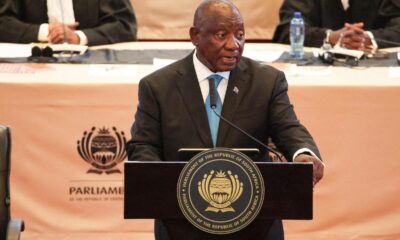
The rhetoric escalated as Gauteng Education MEC Matome Chiloane pointed the finger directly at the national government. “Gauteng’s financial pressures are the direct result of national budget cuts,” he stated. In a pointed political jab, Chiloane noted that the national Department of Basic Education (DBE) is led by the Democratic Alliance (DA) and accused the party of “disingenuous and politically opportunistic” behaviour for criticising provinces while staying silent on Treasury cuts.
“If there is a petition to be delivered,” Chiloane challenged, “it should be delivered to the Department of Basic Education.”
The Core of the Controversy
The dispute highlights the tense interplay between national funding policies and provincial implementation. While the GDE maintains this is a necessary bureaucratic correction forced by national austerity, critics and concerned school communities perceive it as a devastating cut that will force fees higher and compromise quality.
The department ended its rebuttal with a commitment to “transparent communication and equitable funding,” while warning it would not allow “misinformation to undermine confidence.” The real battle, however, appears to be shifting from school hall meetings to the fraught arena of intergovernmental finance, where the fight for every rand of education funding is becoming increasingly political.