News
Gaza after the ceasefire: Why fear still shapes everyday life
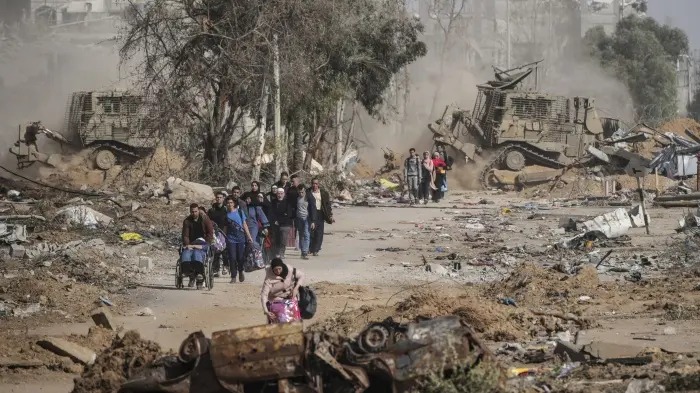
More than one hundred days have passed since Israel and Hamas agreed to a ceasefire brokered by the United States and regional mediators. On paper, the deal marked a turning point. Hostages were exchanged. Israeli forces pulled back from parts of Gaza. Aid trucks began moving again after months of severe restrictions.
On the ground, however, Gaza tells a far more complicated story.
Small reliefs in a wounded city
In neighbourhoods across the Strip, people speak about everyday changes that would sound ordinary anywhere else. Water is easier to find in some areas. Food markets, once stripped bare by war, now show signs of life again. Families can move between districts without the constant fear of being trapped by fighting.
Electricity has returned in fragments, mostly through private suppliers. Lights flicker on for a few hours at night. Phones charge. A sense of routine tries to reassert itself.
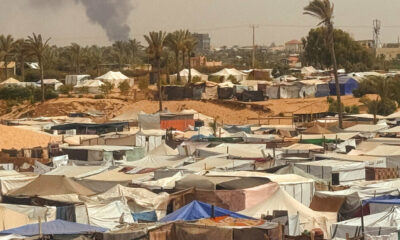
Yet these gains are uneven and fragile. Prices remain painfully high. Many households still depend on international food aid to survive. Roads destroyed by bombardment slow even short trips. Rubble and damaged infrastructure shape every journey.
A ceasefire without safety
What the ceasefire has not delivered is peace of mind.
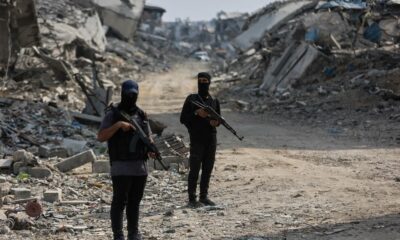
Large-scale bombardments have stopped, but Israeli military operations continue in targeted bursts. Airstrikes still strike without warning, often justified as actions against armed groups or people approaching restricted zones. Since the ceasefire began, more than 440 Palestinians have been killed during these operations.
For residents, the message is clear. Violence has been reduced, not removed.
Journalist Rami Al Mughari, reporting from central Gaza, describes a daily anxiety that never fully lifts. People feel exposed in streets, homes, and alleys. The war may no longer dominate headlines, but fear remains part of ordinary life.
A city broken beyond headlines
Humanitarian organisations warn that the real damage of the past two years will unfold over decades.
According to the International Committee of the Red Cross, nearly two-thirds of all structures in Gaza have been damaged. Power stations, water systems, hospitals, schools, and roads have been hit. Many are barely functioning. Others are beyond repair.
This destruction explains why aid alone cannot fix Gaza. Without rebuilding infrastructure, food parcels and water deliveries remain short-term lifelines rather than pathways to recovery.
Hospitals remain overwhelmed and understaffed. Patients with cancer and chronic illnesses struggle to access treatment. The closure of the Rafah crossing with Egypt continues to block medical evacuations, student travel, and family reunifications, despite repeated promises that it may reopen in a later phase of the ceasefire.
Hope, stalled by politics
Among residents, there is a growing frustration with international promises that never seem to materialise. The ceasefire was meant to unlock reconstruction, freedom of movement, and long-term support. Instead, restrictions on materials and machinery have left rebuilding efforts frozen.
Aid groups say they have the capacity to do far more if access were expanded. Shelters could be rebuilt. Schools could reopen properly. Water and electricity systems could be stabilised. For now, those plans remain out of reach.
Rebuilding, one small step at a time
Despite everything, Gaza is not waiting quietly.
Small restaurants have reopened their doors. Local universities have resumed limited classes. Community groups are clearing rubble, repairing homes, and restoring services with whatever tools they can find.
It is a form of resistance grounded not in politics, but in survival.
More than 100 days after the ceasefire, Gaza exists in an uneasy in-between space. The bombs have mostly stopped, but peace has not arrived. Without sustained international pressure and real reconstruction, this pause risks becoming just another chapter in a much longer struggle.
Follow Joburg ETC on Facebook, Twitter, TikT
For more News in Johannesburg, visit joburgetc.com
Source: IOL
Featured Image: Human Rights Watch