
News
Gaza’s Injured Teens Fighting to Rebuild Their Lives in Athens
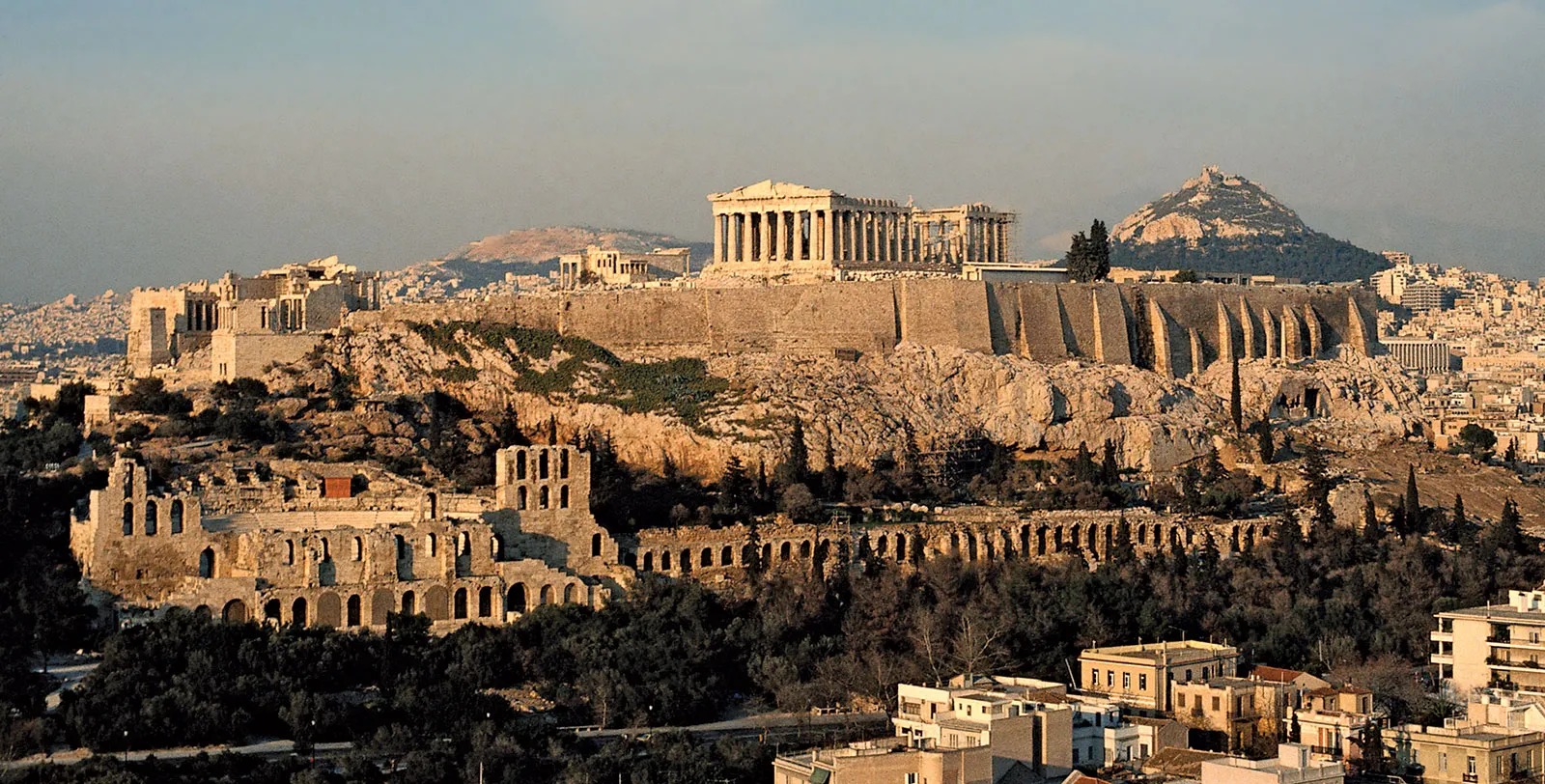
For many South Africans, Athens brings to mind the warmth of summer holidays and ancient ruins glowing in the late afternoon light. For a small group of Palestinian teenagers evacuated from Gaza, the city carries a different meaning entirely. It is a place of relief mixed with heartbreak, a place where survival has been secured, yet the future still feels painfully uncertain.
A new world for a teenager learning to walk again
Fifteen-year-old Raghad al-Fara arrived in Greece earlier this year, stepping onto European soil with the help of crutches after surviving injuries that reshaped every part of her life. She was pulled from the rubble of a bombing in Khan Younis in July 2024. Her right leg and back were crushed, and she spent months on a respirator before she could even sit up again.
Today, she lives in a shelter for refugee women with her mother, Shadia, and her younger sister, Argwan. They were part of a small group of twenty-six Palestinians brought to Athens at the end of February. The rest of the al-Fara family, including three younger siblings and their father, remain in Gaza.
Shadia remembers the moment they heard Greece would take them in. She described it as the first moment of relief after months of terror. Yet settling into life in Athens has been far harder than she ever imagined. Raghad waited months for a simple support belt, and her mother had to find orthopaedic shoes on her own. Although Greece provided initial medical care, Shadia believes the long-term follow-through has been slow and uneven. There is no financial assistance, and the family is largely navigating this new world alone.
Mental recovery has been even harder. Raghad has yet to receive psychological support despite the shocks she endured. Her mother recalls the constant anxiety and sleepless nights that have followed them to Greece.
Another young survivor determined to live again
In another part of Athens lives twenty-year-old Sara Al Sweirki. She left Gaza in September with her mother and brother and speaks about her future with wide-open determination. She does not want to exist only as a survivor. She wants to study, play music, and live the ordinary life war took from her.
Sara has been accepted into the Deree American College of Greece and will begin her studies in January. She chose psychology because she wants to help others confronting the kind of trauma she knows all too well. Her story has sparked admiration online, with many praising her refusal to let devastation define her future.
A country with a long history of solidarity, now divided in support
Greece has a long and complicated history with the Palestinian cause. Older generations remember the close ties once fostered by former prime minister Andreas Papandreou, who welcomed Palestinian students in the 1980s and maintained warm relations with Yasser Arafat.
Today, public sympathy remains high. A recent Greek social research study showed that nearly three-quarters of Greeks support the recognition of a Palestinian state. Yet official policy has shifted. The current administration has not moved toward recognition, and Palestinian community leaders in Athens say there is little political will to bring in more injured survivors, even as appeals continue.
Families torn across continents
For the al-Fara family, the greatest pain is distance. Shadia has enrolled her daughters in a Greek school and is trying to give them some sense of normalcy, but she often speaks about the three children she left behind in Gaza. They beg her to rescue them from the violence and destruction that still shape daily life there. She says she feels powerless and breaks down when she recalls the past year of fear, bombings, and displacement.
A temporary truce that took effect in October brought a brief sense of calm. Yet Shadia says a ceasefire cannot rebuild what has been destroyed, and it cannot convince her to return to tents or face the possibility of new attacks.
Holding on to a future still unknown
Both Raghad and Sara are living versions of a story many South Africans understand deeply. From historical exile to present-day displacement across our own continent, the idea of rebuilding life after conflict is part of our collective memory. Their stories echo the same resilience.
Sara says her dreams were interrupted after October 7. Now she feels even more determined to claim the life she once imagined. Raghad is still learning to walk more confidently and still carries the emotional weight of what she survived.
Athens may not be the home they dreamed of, but it has become the place where they must learn to be teenagers again. Their stories remind the world that survival does not end at escape. It begins all over again in unfamiliar cities where healing takes patience, support, and a level of courage few adults could muster, let alone children and young people.
Follow Joburg ETC on Facebook, Twitter, TikT
For more News in Johannesburg, visit joburgetc.com
Source: IOL
Featured Image: Britannica


