
News
Government rejects claims of foreign academics being prioritised over South Africans
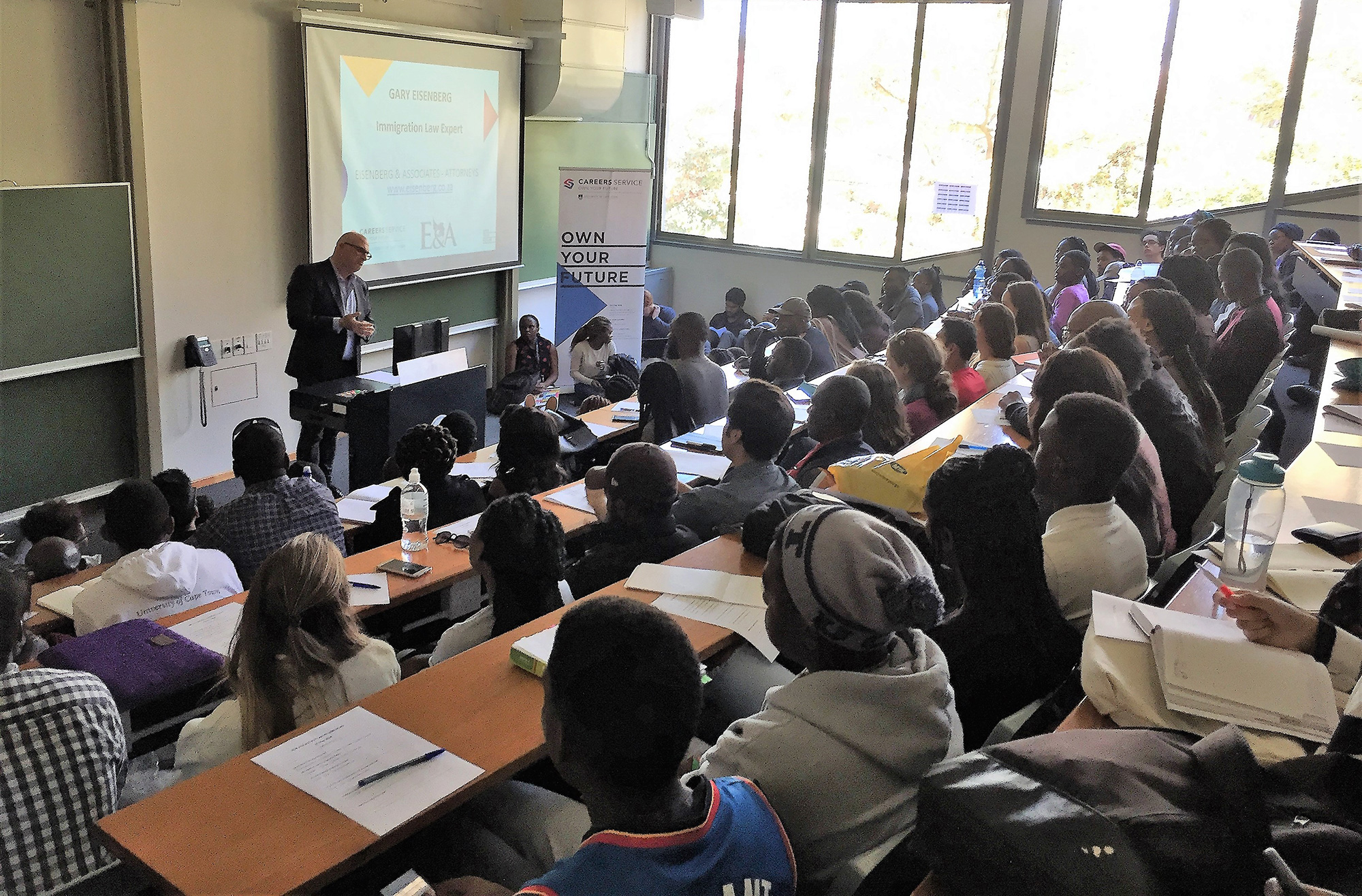
It is a sensitive topic in a country battling stubborn unemployment: who gets the job when opportunities are scarce?
Recent public debate around the employment of foreign nationals at South African universities has sparked concern that local academics are being sidelined. Government, however, has firmly rejected the idea that foreign scholars are being prioritised over South Africans, calling such claims misleading and potentially inflammatory.
In a climate where economic anxiety runs high, clarity matters. And according to officials, the numbers tell a different story from the headlines.
What the law actually says
South Africa’s labour and immigration laws are clear. Citizens must be prioritised for employment opportunities. Foreign nationals are not classified as designated groups under employment equity legislation. They may only be appointed where there is a proven skills shortage, full legal compliance, and a developmental justification.
The government has stressed that there has been no policy shift and no departure from this framework. In other words, the rules have not changed.
The university numbers in context
In public universities, foreign nationals make up roughly 12 percent of permanent academic staff. That percentage has remained broadly stable for over a decade. During the same period, the number of South African academics has grown significantly.
This is an important detail often lost in online debate. The data does not indicate that South Africans are being systematically displaced from permanent posts.
At colleges, the figures are even smaller. In Technical and Vocational Education and Training institutions and Community Education and Training colleges, foreign academics are few. Most are long-serving and concentrated in scarce fields such as mathematics, science, and technical disciplines.
In CET colleges nationally, fewer than 40 foreign nationals are employed out of a workforce exceeding 11,000 staff. Framed this way, the issue appears far less structural than some social media commentary suggests.
Skills gaps versus sentiment
South Africa faces real skills shortages in certain academic areas, particularly in high-demand technical and scientific disciplines. In these instances, limited international recruitment has been used to strengthen institutional capacity, not replace local talent.
The broader strategy has focused on growing South African academic pipelines. The government has invested more than R2 billion in developing local scholars through initiatives such as the New Generation of Academics Programme, the Nurturing Emerging Scholars Programme, the University Staff Doctoral Programme, and the Future Professors Programme.
These programmes overwhelmingly support young, Black South Africans entering or advancing within academia. The long-term goal is clear: build a strong domestic academic base.
How South Africa compares globally
Internationalisation is not unique to South Africa. Countries such as Germany, Canada, the United Kingdom, and Australia employ significantly higher proportions of international academics while still investing heavily in local development.
By comparison, South Africa’s 12 percent figure is modest. The balancing act between global collaboration and national responsibility is a feature of modern university systems worldwide.
Oversight and public debate
Parliament is currently exercising oversight around issues such as data integrity, temporary appointments, and coordination between departments. These are governance matters, not evidence of a policy favouring foreign nationals.
Public reaction, particularly online, reflects a deeper frustration about unemployment and opportunity. That frustration is understandable. Yet officials caution that debate should be grounded in verified data rather than assumption.
The real questions, the government argues, are whether institutions are complying with the law, whether employment data is accurate and auditable, and whether departments are working in a coordinated way. Strengthening oversight and interdepartmental cooperation remains part of that process.
A broader perspective
South Africa’s higher education system operates in a global environment. Research collaboration, postgraduate supervision, and academic exchange often cross borders. At the same time, constitutional values and employment equity remain central.
The tension between local protection and global participation is not new. It is part of building a university system that is globally connected yet firmly rooted in local development.
For now, the government’s position is straightforward. There is no preferential hiring of foreign academics. Citizens remain prioritised under the law. And investment in South African academic talent continues.
In a moment where emotions can easily overtake evidence, officials are urging the country to return to the facts.
Follow Joburg ETC on Facebook, Twitter, TikT
For more News in Johannesburg, visit joburgetc.com
Source: IOL
Featured Image: news.uct.ac.za


